
You stretch. You exercise. You get massages. You make an effort to care for your body.
And yet, the tightness returns.
Perhaps it's the tension across your shoulders, the stiffness in your neck when you wake up, or the persistent sensation that your hips and lower back simply won't release.
You may find yourself wondering: Why does my body always feel so tight, even when I'm doing everything I can to loosen it?
When tightness keeps returning like this, it's often described as chronic muscle tension. And the answer may involve more than the muscles themselves.
Muscle tension can be influenced by how we move, how we recover, how we experience stress, and how our nervous system responds to the demands of everyday life.
Sometimes, understanding persistent tension requires looking beyond where we feel it.
Why Do Muscles Stay Tight?
Muscle tension is a normal and necessary part of how our bodies function. Our muscles provide stability, coordinate movement, and help us respond to the physical demands of our environment.
But when tension becomes persistent, it can begin to affect how comfortably and freely we move.
Common contributors to chronic muscle tension include:
• Repetitive movement patterns and prolonged postures
• Physical stress from exercise, work, or daily activities
• Inadequate recovery and sleep
• Stress-related muscle guarding
• Changes in strength, mobility, or movement coordination
• Previous injuries and protective movement habits
Often, several of these factors are present at the same time.
This is one reason why stretching a tight muscle may offer temporary relief without fully addressing the conditions contributing to that tension.
Chronic Muscle Tension and Your Nervous System
Your nervous system is continuously receiving information from both your internal and external environments.
It helps coordinate movement, regulate muscle activity, and respond to changes in physical and emotional demands.
When we encounter stress, the sympathetic branch of the autonomic nervous system helps prepare the body for action. Breathing patterns may shift, alertness can increase, and certain muscles may become more active.
This is an adaptive response.
However, when stress is frequent or recovery is insufficient, some people experience persistent muscle guarding, discomfort, or difficulty relaxing.
The shoulders may remain elevated. The jaw may stay clenched. Breathing may become shallow. The body may feel as though it's constantly bracing.
What we experience as physical tightness can sometimes reflect a broader pattern of how the body is responding to life.
Not all muscle tension is caused by stress. The nervous system is one important part of a much larger picture.
Why Stretching Doesn't Always Resolve Chronic Tightness
Stretching can be valuable for maintaining and improving mobility. But flexibility alone doesn't determine whether a muscle feels comfortable.
A sensation of tightness can arise from multiple sources, including changes in muscle activity, joint mobility, sensitivity, or the way the nervous system interprets movement.
For example, someone may experience tight hamstrings despite having an adequate range of motion. Another person may stretch their neck repeatedly, only to experience the same tension by the end of the workday.
In these situations, more stretching isn't necessarily the missing piece.
Sometimes the body benefits from a different approach: improving movement variability, developing strength, addressing repetitive demands, or creating opportunities for recovery.
Rather than simply asking, How do I loosen this muscle? we can begin asking:
What might be contributing to this pattern of tension, and what does my body need to move with greater ease?
What I'm Noticing on the Table: Desks, Screens and Seasonal Shifts
One thing I've been noticing on the table this fall is how much tension is showing up in the neck, shoulders, and upper back, particularly in relation to forward head posture, rounded shoulders, and the amount of time people spend working at computers.
As the seasons shift, our daily rhythms often shift too. We spend more time indoors, seated, working at desks, and settling back into structured routines after the more active months of summer.
There may be less variety in our movement throughout the day, and the body begins adapting to these more repetitive positions. If your workday keeps you at a screen, Neck Pain After Computer Work explores that pattern more closely.


Chronic Neck, Shoulder, Jaw, and Hip Tension: Understanding the Patterns
The neck, shoulders, jaw, and hips are particularly interesting because they participate in so many aspects of how we meet daily life: posture, breathing, movement, balance, and our responses to stress.
Tension in these areas can reflect a combination of mechanical demands, habitual movement patterns, and nervous system responses.
Neck and Shoulder Tension
Hours spent working at a computer, looking down at a phone, or maintaining repetitive positions can contribute to neck and shoulder discomfort.
Stress-related muscle activity, limited movement throughout the day, and insufficient recovery may also play a role.
I go deeper into this in Why Your Shoulders Won't Release.
Jaw Tension
Jaw clenching and teeth grinding can be associated with stress, sleep disturbances, and temporomandibular disorders (TMD).
Because the jaw, head, and neck function together, symptoms may extend beyond the jaw itself.
You can read more in Why Your Jaw Tension Is a Nervous System Issue.
Hip and Lower Back Tightness
Prolonged sitting, training demands, changes in strength, and movement habits may contribute to stiffness or discomfort through the hips and lower back.
Understanding how these areas move together can help identify opportunities to improve comfort and function. For gentle practices you can try at home, see Hip Release for Lower Back Pain, and for the nervous system side of the story, Tight Hips & the Nervous System Connection.
Although these patterns are common, persistent or worsening symptoms deserve individualized assessment rather than assumptions about their cause.


A Different Approach: Gentle, Nervous System-Centered Chiropractic Care
At Life Force Chiropractic in Pleasant Hill, California, my approach begins with an understanding that the body functions as an interconnected whole.
Rather than focusing exclusively on the location of discomfort, I consider how the joints, muscles, movement patterns, and nervous system may be contributing to a person's experience.
Through individualized chiropractic care, gentle hands-on techniques, soft tissue work, and an awareness of the body's responses, we explore ways to support mobility, comfort, and physical function.
An important part of this process is helping people become more aware of how they inhabit their bodies.
Where do you habitually brace? How do you breathe when you're concentrating? What happens to your shoulders when you're overwhelmed? How does your body respond when you slow down?
These observations can offer valuable insight into patterns that otherwise go unnoticed.
Chiropractic care may be one component of addressing musculoskeletal discomfort, alongside movement, exercise, stress management, and other appropriate care.
The intention is to create conditions that support greater ease and adaptability, without forcing the body into relaxation.
Learning to Recognize the Difference Between Tension and Support
Not all muscle tension is problematic.
We need muscular activity to stand upright, lift weights, stabilize our joints, and move through the world.
The goal is a body that can respond appropriately to different demands, and recover afterward.
That might mean strengthening an area that feels chronically tight, introducing more movement throughout the day, improving sleep, or learning to notice unnecessary bracing.
It may also mean allowing yourself to experience rest without feeling that you must constantly be doing something to improve your body.
A resilient body has the capacity to respond, adapt, and recover.
When to Seek Additional Support
If muscle tightness continues despite changes in activity and self-care, a qualified healthcare professional can help evaluate possible contributing factors.
Seek prompt medical assessment when symptoms are accompanied by progressive weakness, significant numbness, fever, unexplained swelling, or other concerning changes.
Persistent discomfort doesn't necessarily mean something serious is wrong, but it does deserve thoughtful attention.
Frequently Asked Questions
Why am I always so tight even though I stretch?
Stretching changes how far a muscle can lengthen, but the feeling of tightness also depends on muscle activity, recovery, and how your nervous system reads safety and movement. If stress, repetitive positions, or limited recovery keep the body bracing, tightness can return soon after you stretch.
Can stress cause chronic muscle tension?
It can contribute. When stress is frequent, the nervous system may keep certain muscles more active, especially in the neck, shoulders, jaw, and hips. Stress is rarely the only factor, though. Movement habits, sleep, strength, and past injuries usually play a part as well.
What does chronic muscle tension feel like?
Many people describe stiffness that returns each day, shoulders that sit up near the ears, a clenched jaw, shallow breathing, or a sense that the body never fully lets go. It often shows up in the same places again and again.
How do you release chronic muscle tension?
What helps most is usually a combination: more variety in how you move through the day, strength where the body is working hard to stabilize, good recovery and sleep, and practices that help the nervous system settle. Gentle, hands-on care can support that process.
Can a chiropractor help with chronic muscle tension?
A gentle, nervous system-centered chiropractor looks at how the joints, muscles, movement patterns, and nervous system work together, as well as where you feel the tightness. In my Pleasant Hill practice, I combine gentle adjustments, soft tissue work, and body awareness to support greater ease.
Reconnecting With Your Body at Life Force Chiropractic
If you've been living with chronic neck tension, tight shoulders, restricted hips, or the persistent feeling that your body simply won't let go, there may be value in exploring a more comprehensive approach.
At Life Force Chiropractic, I offer individualized, gentle chiropractic care in Pleasant Hill, serving patients throughout Walnut Creek, Concord, Martinez, and the surrounding East Bay.
My work is grounded in the relationship between movement, physical function, nervous system awareness, and the experience of being present in your body.
Caring for your body includes relieving discomfort. It can also become a way of cultivating a deeper relationship with how you move, feel, and live.
INHABIT YOUR BODY.
IGNITE YOUR LIFE FORCE.
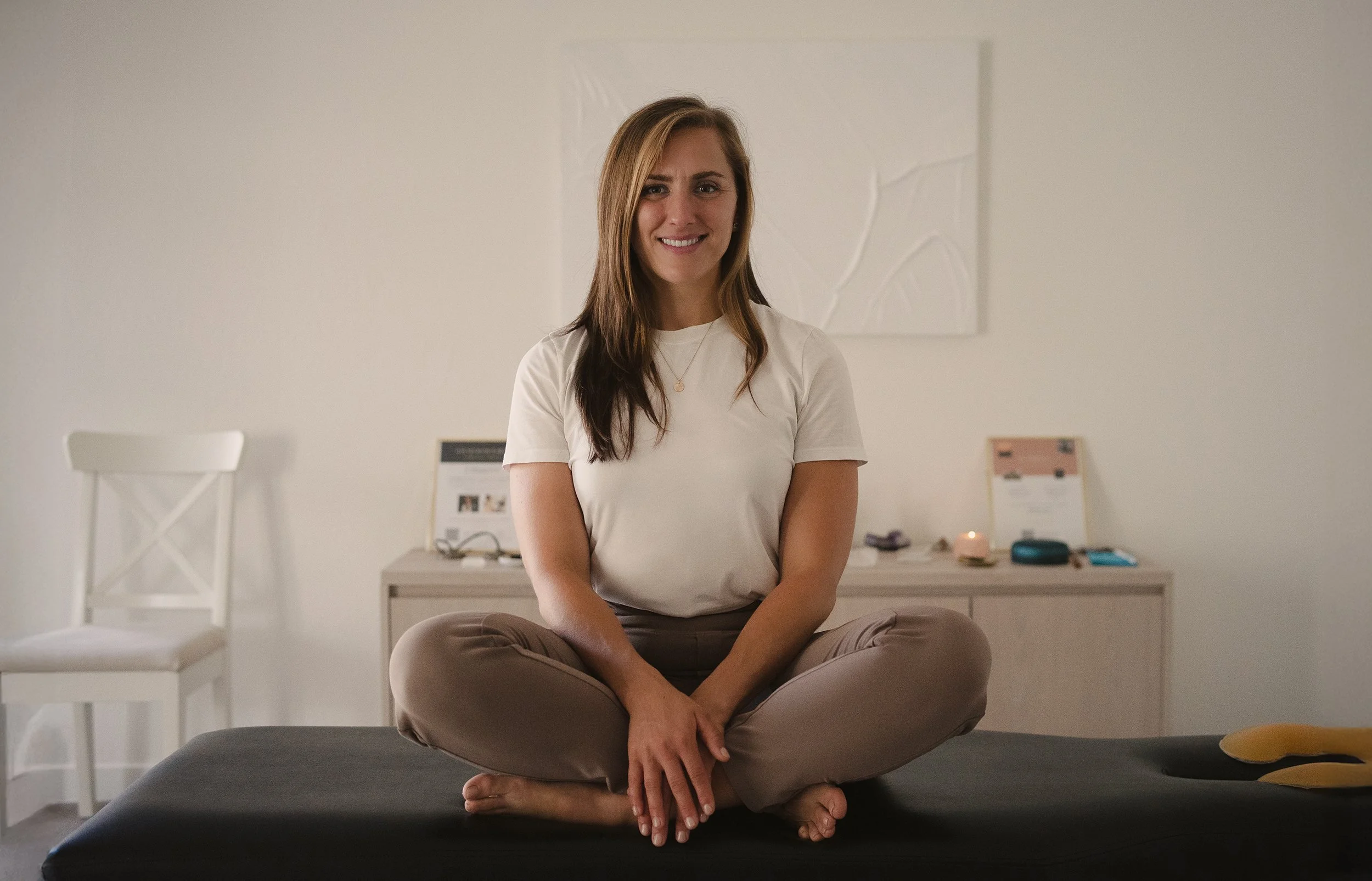
About Dr. Alandi Stec
Dr. Alandi Stec is a Doctor of Chiropractic and Reiki Master specializing in nervous system-centered healing approaches. She serves the Pleasant Hill and Bay Area athletic community through Life Force Chiropractic, combining Bio-Geometric Integration with craniosacral work and somatic practices to support athletes in discovering their body's innate capacity for optimal performance and resilience.

Keep the conversation going.
Each month, The Regulating Rhythm brings a free reflection to your inbox, and paid subscribers receive a new practice to help the nervous system settle.
Keep Exploring
Book a session: if you're in the East Bay and ready for support, you're welcome to explore chiropractic care and schedule your visit.
Practice at home: 12 Days of Nervous System Regulation offers short daily practices, including breathwork, gentle movement and grounding, to help your body settle out of its bracing patterns.
A new practice each month: The Regulating Rhythm is my monthly note to support your nervous system, on and beyond the table. Join on Substack and receive my 20-minute guided meditation, Find Your Way Back to Center, on me.
Read next: Why Your Shoulders Won't Release and Hip Release for Lower Back Pain.