
Why Your Neck Hurts After a Day at the Computer (And Why Stretching Isn't Fixing It)

The neck usually isn't the first thing you notice. It's what you notice when the day finally slows down.
You've finished your meetings, closed your laptop, answered the last message. Maybe you've stood up to make dinner or turned your head to back out of a parking space. That's when you realize your neck feels stiff. The muscles between your shoulders are tight. There's an ache at the base of your skull. Turning your head feels more restricted than it should.
For many people working in tech, this has become a daily experience.
The assumption is usually that it's a posture problem. You're sitting too much, looking at screens too often, slouching. Those things contribute. But they don't fully explain why the tension keeps returning day after day. If posture alone were the problem, an ergonomic chair, a standing desk, and a few stretches would solve it.
Yet many people have tried all of those things and still find themselves rubbing their neck by the end of the workday. The reason is that the neck is often responding to something larger than the neck itself.
The Neck Is Often the Messenger, Not the Problem
When pain shows up in one area, it's natural to focus there. If your neck hurts, you stretch your neck. Sometimes that's enough. Often it isn't.
The neck doesn't function independently. It exists within a larger system that includes the shoulders, rib cage, jaw, eyes, breath, spine, and nervous system. When one part of that system becomes less mobile or begins carrying more tension than it should, the neck frequently compensates. This is one reason people can have chronic neck tension despite normal imaging. Nothing appears structurally wrong, yet the discomfort is very real.
Sometimes the tension lives more in the shoulders than the neck, and that pattern has its own story. I've written about it in depth in Why Your Shoulders Won't Release. The two are close relatives, and it's worth understanding both.
What a Typical Workday Asks of Your Body
Many technology professionals spend their days in sustained concentration. Whether you're writing code, managing projects, designing, analyzing data, or moving through back-to-back meetings, your nervous system is being asked to maintain attention for long stretches.
The body responds automatically. The eyes narrow their focus. The jaw tightens slightly. The shoulders lift. The breath becomes shallower. The rib cage becomes less mobile. The muscles surrounding the neck increase their tone.
None of this is a mistake. It's an intelligent adaptation. Your nervous system is helping you focus. The challenge is that many people spend hours in this state without receiving a clear signal that the demand has ended. The body stays organized around productivity long after the work itself is over. Eventually that organization begins to feel normal. Until symptoms appear.

Why Stretching Helps Temporarily but Doesn't Create Lasting Change
One of the most common frustrations I hear is that stretching works, but only briefly. You stretch in the morning and feel better. You stretch again in the afternoon and feel better. You wake up the next day and the tension is back.
This doesn't mean you're stretching incorrectly. It often means the neck isn't the primary source of the pattern.
Imagine mopping water from the floor while a faucet keeps running. The floor dries for a moment, but the water returns because the source hasn't changed. The same thing happens with neck tension. Stretching addresses the symptom and creates temporary relief in muscles that are already tight. But if the nervous system continues organizing around stress, prolonged focus, restricted breathing, and compensation elsewhere in the body, the tension gradually returns. The body is recreating the same pattern because it hasn't yet learned a different one.
The Hidden Role of the Rib Cage and Shoulders
One of the most overlooked contributors to neck pain is the relationship between the neck, shoulders, and rib cage.
When we spend long periods at a computer, the shoulders often drift forward, the chest becomes less open, and the rib cage loses some of its natural movement. This matters because the neck was never designed to carry the entire responsibility of supporting the upper body. When the rib cage becomes less mobile and the shoulders stop contributing efficiently, the muscles of the neck begin working harder to create stability. The upper trapezius muscles become overactive. The muscles at the base of the skull tighten. The small stabilizing muscles of the neck never fully get to rest. Over time, the neck carries a workload that belongs to the entire upper body.

Why Stress Often Lives in the Neck
Most people can identify where they carry stress. Some feel it in the stomach, some in the jaw, others immediately in the shoulders and neck. This isn't just a personality trait. It's physiology.
When the nervous system perceives ongoing demand, uncertainty, deadlines, or pressure, muscle tone increases throughout the body. The problem is that modern stress rarely arrives in short bursts. It arrives through dozens of emails, meetings, messages, notifications, and decisions spread across the day. The body responds to all of it, and for many people, the neck becomes one of the primary places that accumulated tension is stored.
This is why neck pain often worsens during stressful periods even when posture stays exactly the same. The structure hasn't changed. The nervous system has.
Understanding "Tech Neck"
The term "tech neck" has become common, and for good reason. As the head gradually moves forward toward a screen, the muscles of the upper neck and shoulders work harder to support it, which over time can create stiffness, discomfort, headaches, and reduced mobility.
But tech neck isn't simply a posture problem. It's an adaptation problem. The body has adapted to a particular environment and a particular way of working. The goal isn't merely pulling the shoulders back or forcing the head into a new position. The goal is helping the body release the reasons it organized itself that way in the first place. When that happens, posture often begins changing naturally.

How I Work With Neck Pain
Many people arrive expecting we'll focus exclusively on their neck. What they often discover is that the neck is only one part of the conversation.
My work is informed by Bio-Geometric Integration (BGI), a chiropractic approach that views the body as an interconnected system rather than a collection of separate parts. Through this lens, pain is often the expression of a larger pattern rather than an isolated problem. A neck that feels tight may be compensating for restrictions elsewhere. A shoulder pattern may connect to the rib cage. A rib cage pattern may connect to breathing. A spinal pattern may connect to the pelvis.
Rather than forcing change through high-velocity adjustments, I work gently through the tissues, listening for areas of compensation, tension, and restricted motion. Sessions often incorporate craniosacral therapy, soft tissue work, gentle chiropractic care, and Reiki. Together these help create an environment where the nervous system can begin letting go of patterns it no longer needs to hold. Many clients describe it as feeling less like getting adjusted and more like their body being given space to unwind.
As those patterns soften, changes often occur beyond the neck itself. Breathing becomes easier. The shoulders settle. Movement becomes smoother. The spine feels less compressed.
Practices That Can Help Between Sessions
While lasting change often requires addressing the larger pattern, a few simple practices can reduce the strain your neck experiences during the day.
Change positions frequently. The body tolerates posture far better than it tolerates staying in one posture for hours. Take brief walking breaks, which help restore mobility through the spine, shoulders, and rib cage. Let your eyes look into the distance periodically, since prolonged close-range focus influences tension throughout the neck and upper body. Pay attention to your breathing: if your breath stays in your upper chest all day, the neck muscles become secondary breathing muscles, so slow breathing into the lower rib cage can help redistribute that workload.
You'll find several of these as complete practices in the Nervous System Library.
Most importantly, create some form of transition between work and the rest of your day. The nervous system benefits from a clear signal that the period of demand has ended.


A Closing Invitation
If your neck hurts at the end of most workdays, there's a good chance your body is responding to more than posture alone. The tension may reflect years of computer work, prolonged focus, repetitive positioning, accumulated stress, and nervous system adaptation.
The good news is that the body is remarkably capable of change. The same system that learned the pattern can learn something different.
If you're in Pleasant Hill, Walnut Creek, or elsewhere in the East Bay or San Francisco and you're looking for a different approach to chronic neck tension, you're welcome to book a session.
If you're outside the area, 12 Days of Nervous System Regulation offers daily guided practices to help your body build a steadier baseline at home.
Frequently Asked Questions
Why does my neck hurt after working on a computer all day?
Neck pain is often influenced by posture, prolonged focus, breathing patterns, muscle tension, and nervous system stress. The neck is frequently responding to a larger pattern rather than acting as the sole source of the problem.
Can stress cause neck pain?
Yes. Stress often increases muscle tone throughout the body, particularly in the neck, shoulders, and jaw. Many people notice neck pain worsening during periods of increased demand even when their physical environment hasn't changed.
Is tech neck reversible?
In many cases, yes. When posture, mobility, breathing patterns, and nervous system regulation are addressed together, the body often regains significant comfort and freedom of movement.
Can chiropractic help neck pain from computer work?
Yes. A whole-body approach can address the compensatory patterns contributing to chronic neck tension rather than focusing solely on where the pain is felt.
Do I need my neck cracked to feel better?
Not necessarily. Many people respond well to gentle approaches that work through the tissues, nervous system, and craniosacral system without forceful adjustments.
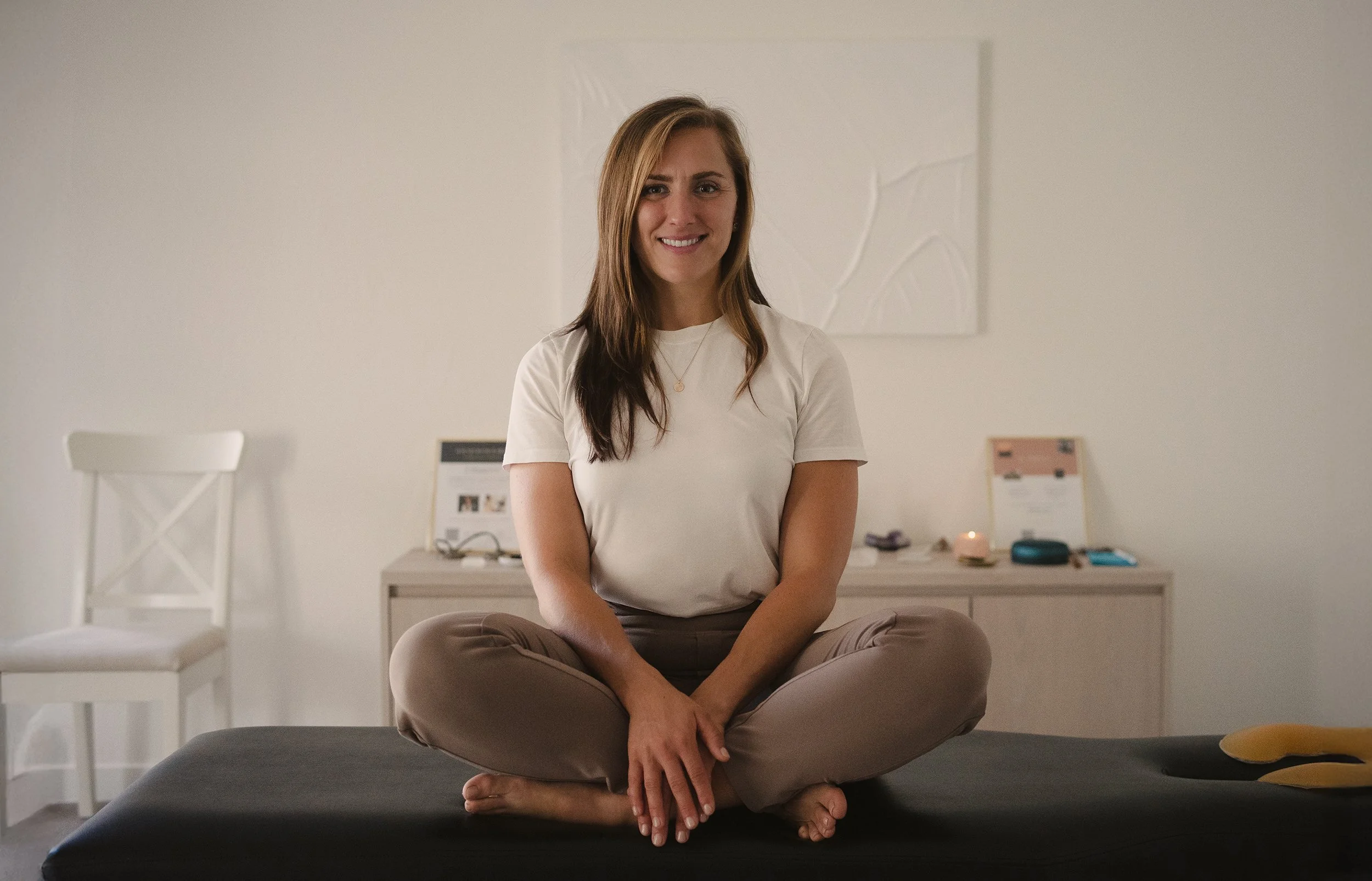
About Dr. Alandi Stec
Dr. Alandi Stec is a Doctor of Chiropractic and Reiki Master specializing in nervous system-centered healing approaches. She serves the Pleasant Hill and Bay Area athletic community through Life Force Chiropractic, combining Bio-Geometric Integration with craniosacral work and somatic practices to support athletes in discovering their body's innate capacity for optimal performance and resilience.

A FREE PRACTICE TO TAKE WITH YOU
Find Your Way Back to Center
A free guided meditation for settling the body and quieting the mind.
This 20-minute guided meditation offers a simple space to slow down, soften your attention, and reconnect with yourself. Return to it whenever life feels full, your mind feels busy, or you simply need a moment to pause.
Recorded by Dr. Alandi Stec and delivered to your inbox when you join the newsletter.