
The Tech Worker's Guide to Nervous System Recovery

Most people working in tech know what it feels like to be mentally tired. The long days. The back-to-back meetings. The endless stream of notifications. The hours spent solving problems, making decisions, and moving from one task to the next.
Mental fatigue has become familiar. What many people don't realize is that the body experiences these demands as well.
The neck that feels tight at the end of the day. The shoulders that never fully relax. The jaw that stays clenched. The low back that stiffens after sitting. The hips that feel restricted when standing up. The feeling that you're exhausted but somehow still can't completely settle.
These experiences are often viewed as separate problems. They're frequently connected by a common thread: the nervous system.
What Is Nervous System Recovery?
When people hear "nervous system recovery," they often imagine stress reduction. While stress is part of the conversation, recovery is broader than that.
Your nervous system is constantly interpreting and responding to your environment. It regulates muscle tone, breathing, heart rate, digestion, energy, sleep, focus, and movement. Every moment of every day, it's deciding how much effort the body needs to exert and how much protection it believes it requires.
A healthy nervous system is adaptable. It can mobilize when effort is needed and settle when effort is no longer required. The challenge for many people working in tech is that the system becomes very good at mobilizing and less practiced at settling. The body learns how to stay "on," and over time it forgets how to fully turn "off."
Why Rest and Recovery Are Not the Same Thing
One of the biggest misconceptions about recovery is the belief that rest automatically creates it. Rest is important. Recovery is something different.
Many people spend an entire evening resting while remaining physiologically activated. They sit on the couch, scroll their phone, watch television, answer messages, think about tomorrow's responsibilities, and continue processing information. The body may be inactive. The nervous system may still be working.
Recovery occurs when the system begins shifting out of a state of sustained output and into a state where repair, restoration, and reorganization become possible. This is why someone can spend an entire weekend "relaxing" and still feel exhausted on Monday. The body rested. The nervous system never fully recovered. (For the deeper distinction between managing stress and actually recalibrating the system, see Nervous System Recalibration vs Stress Management.)

The Modern Work Environment Is Demanding in Ways We Don't Always Recognize
Most technology jobs aren't physically demanding in the traditional sense. You're not carrying heavy loads or performing manual labor for ten hours a day. Yet many people finish the day feeling physically depleted.
The reason is that the nervous system doesn't distinguish as clearly between physical demand and cognitive demand as we often assume. Complex problem-solving requires energy. Decision-making requires energy. Meetings, constant communication, context switching, and even maintaining attention on a screen for hours all require energy. The body responds to all of it. Over time, the accumulation begins shaping posture, breathing patterns, muscle tension, movement, sleep quality, and recovery capacity.
How the Body Adapts to Constant Demand
One of the remarkable things about the human body is its ability to adapt. The challenge is that it adapts to whatever it experiences most consistently.
If your days are filled with deadlines, meetings, notifications, and prolonged focus, the body gradually organizes around those demands. The shoulders lift slightly. The jaw tightens. The breath becomes shallower. The neck increases its tone. The hips become less mobile. The body learns to maintain a level of readiness. At first these changes are temporary. Eventually they become familiar. Many people don't realize how much tension they're carrying until they experience a moment when it finally begins to release.
The Physical Signs Your Nervous System May Need Support
People often think of nervous system dysregulation as something emotional.
More commonly, it shows up physically. You may notice:
• Persistent neck and shoulder tension
• Tight hips despite stretching
• Frequent headaches
• Jaw clenching
• Difficulty taking a full breath
• Feeling tired but wired
• Difficulty settling at night
• Low back pain that worsens during stressful periods
• Increased sensitivity to stress
• Feeling as though your body is always working harder than it should
None of these automatically indicate a nervous system issue. Taken together, though, they often point toward a body carrying more demand than it has been able to fully recover from. Each of these has its own deeper article in this series, from Why Your Neck Hurts After a Day at the Computer to Why Sitting Is Making Your Hips Tight to Headaches After Screen Time, if you want to follow the thread of a specific symptom.
Why Movement Alone Doesn't Always Solve the Problem
Many tech professionals exercise consistently. They go to the gym, run, do CrossFit, take yoga classes. Yet they still feel tight. They still get headaches. Their shoulders still climb toward their ears during stressful weeks.
If movement is healthy, why aren't the symptoms disappearing? The answer is that movement and recovery aren't the same thing. Exercise is often another form of stress placed on the body. Healthy stress, but stress nonetheless. Without adequate recovery, the body may continue carrying underlying tension patterns even when someone is physically active. The goal isn't simply more movement. It's helping the system regain its ability to shift between effort and ease.
What Nervous System Recovery Actually Looks Like
Many people imagine recovery as doing nothing. In reality, recovery is often active. It involves practices that help the body recognize it no longer needs to maintain the same level of protection or vigilance:
Walking outdoors
Meditation
Yoga Nidra
Breathwork
Time away from screens
Meaningful connection
Manual therapy
Adequate sleep
Periods of stillness
Time in nature
These practices work not because they force the body to relax, but because they create conditions that support regulation. Over time, the nervous system rediscovers flexibility, the body becomes more adaptable, and recovery becomes easier.
If you'd like guided ways in, Yoga Nidra at Home is a practice of deep conscious rest, and How to Cultivate a Meditation Practice helps you build a steady meditation practice from the ground up. If you'd rather start with something small and free, the Find Your Way Back to Center guided meditation is Dr. Alandi's voice-led practice you can begin today.
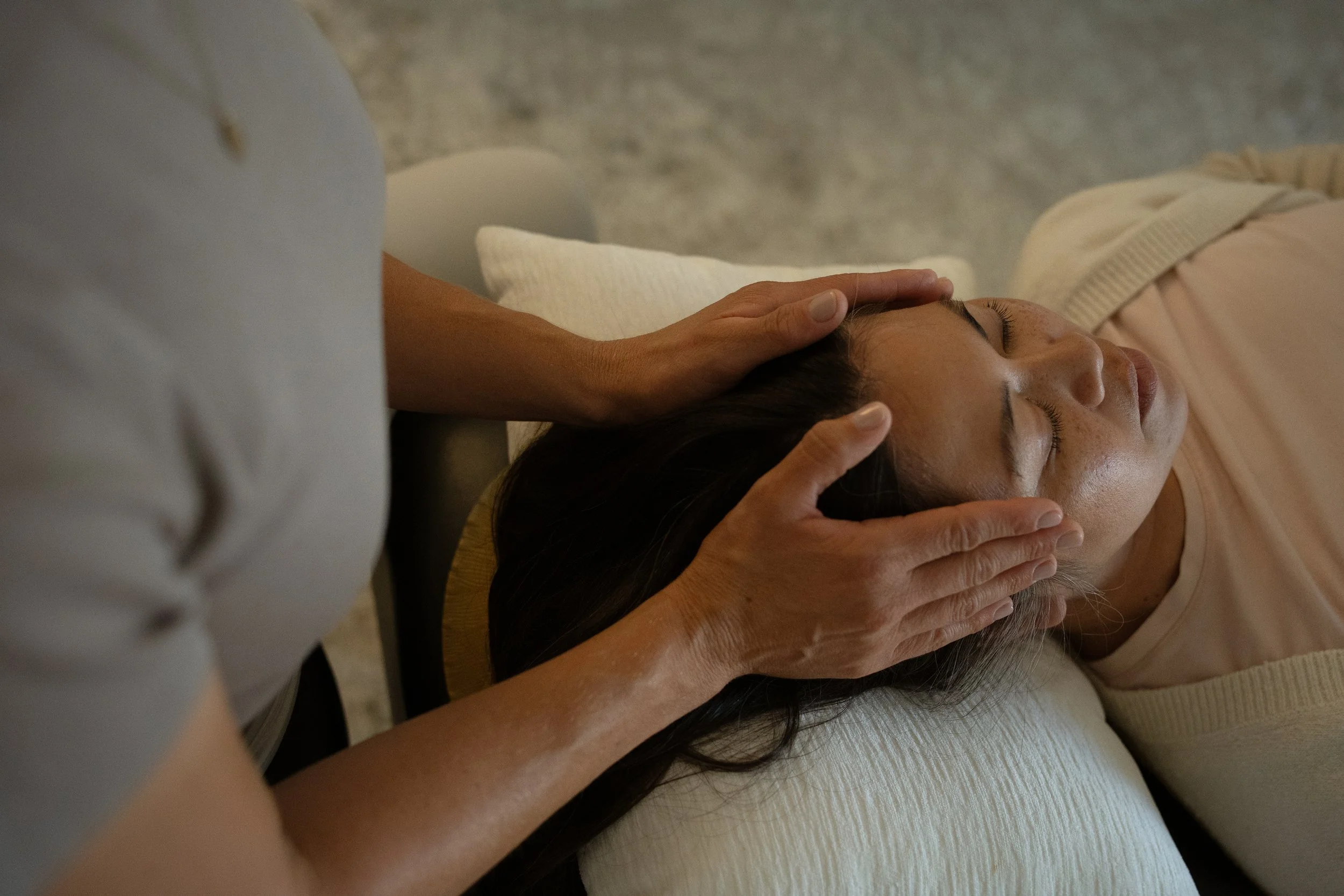
How I Work With Nervous System Recovery
Many people come in seeking help for a specific symptom: neck pain, headaches, shoulder tension, hip tightness, low back pain, sciatica. What they often discover is that the symptom is only part of the story.
My work is informed by Bio-Geometric Integration (BGI), which views the body as an interconnected system. When someone comes in for care, I'm interested in more than where something hurts. How is the body organizing itself? Where is tension being held? How is the breath moving? What patterns has the nervous system learned to maintain?
Sessions are gentle and performed fully clothed, using a combination of Bio-Geometric Integration, craniosacral therapy, soft tissue work, gentle chiropractic care, and Reiki. The goal isn't to force change. It's to create an environment where the body can begin reorganizing itself. As those patterns unwind, many people notice changes well beyond pain relief. Breathing becomes easier. Sleep improves. Movement feels more fluid. Many describe feeling more like themselves again.
Creating a Sustainable Relationship With Work
Most people aren't leaving their careers, and the goal isn't to eliminate challenge. The goal is to increase capacity.
Technology work will keep asking a great deal from the mind. The question becomes whether the body has the resources to meet those demands without carrying them indefinitely. Recovery isn't the opposite of productivity. Recovery is what allows productivity to remain sustainable. When the nervous system has opportunities to restore itself, the body becomes more resilient, more adaptable, and more capable of responding to life's demands without becoming trapped by them.


A Closing Invitation
If your body feels increasingly tight, tired, restricted, or overwhelmed despite your best efforts, there's a good chance the issue is bigger than any single symptom. The neck tension, the headaches, the shoulder pain, the hip tightness, the low back discomfort may all be part of the same conversation about how your nervous system has adapted to years of sustained demand.
The good news is that adaptation works both ways.
The body can learn new patterns. The nervous system can recover.
If you're in Pleasant Hill, Walnut Creek, or elsewhere in the East Bay or San Francisco and you're looking for support in that process, you're welcome to schedule a session.
If you're outside the area, 12 Days of Nervous System Regulation offers structured daily practices, and the free guided meditation is a gentle place to start today.
Frequently Asked Questions
What is nervous system recovery?
Nervous system recovery refers to the body's ability to shift out of prolonged states of stress, effort, and activation and into states that support restoration, repair, and regulation.
Can stress create physical symptoms?
Yes. Stress can influence muscle tension, breathing patterns, posture, digestion, sleep, pain levels, and many other aspects of physical health.
Why do I feel tired but still can't relax?
This often reflects a nervous system that has become highly practiced at staying activated. The body may be exhausted while still having difficulty shifting into recovery mode.
Can chiropractic help with nervous system regulation?
Approaches that address posture, movement, tension patterns, breathing, and nervous system organization may help support greater regulation and adaptability.
How do I know if my nervous system needs support?
Persistent tension, headaches, poor recovery, difficulty relaxing, sleep challenges, tight hips, jaw clenching, and chronic stress-related symptoms can all suggest that the nervous system may benefit from additional support.
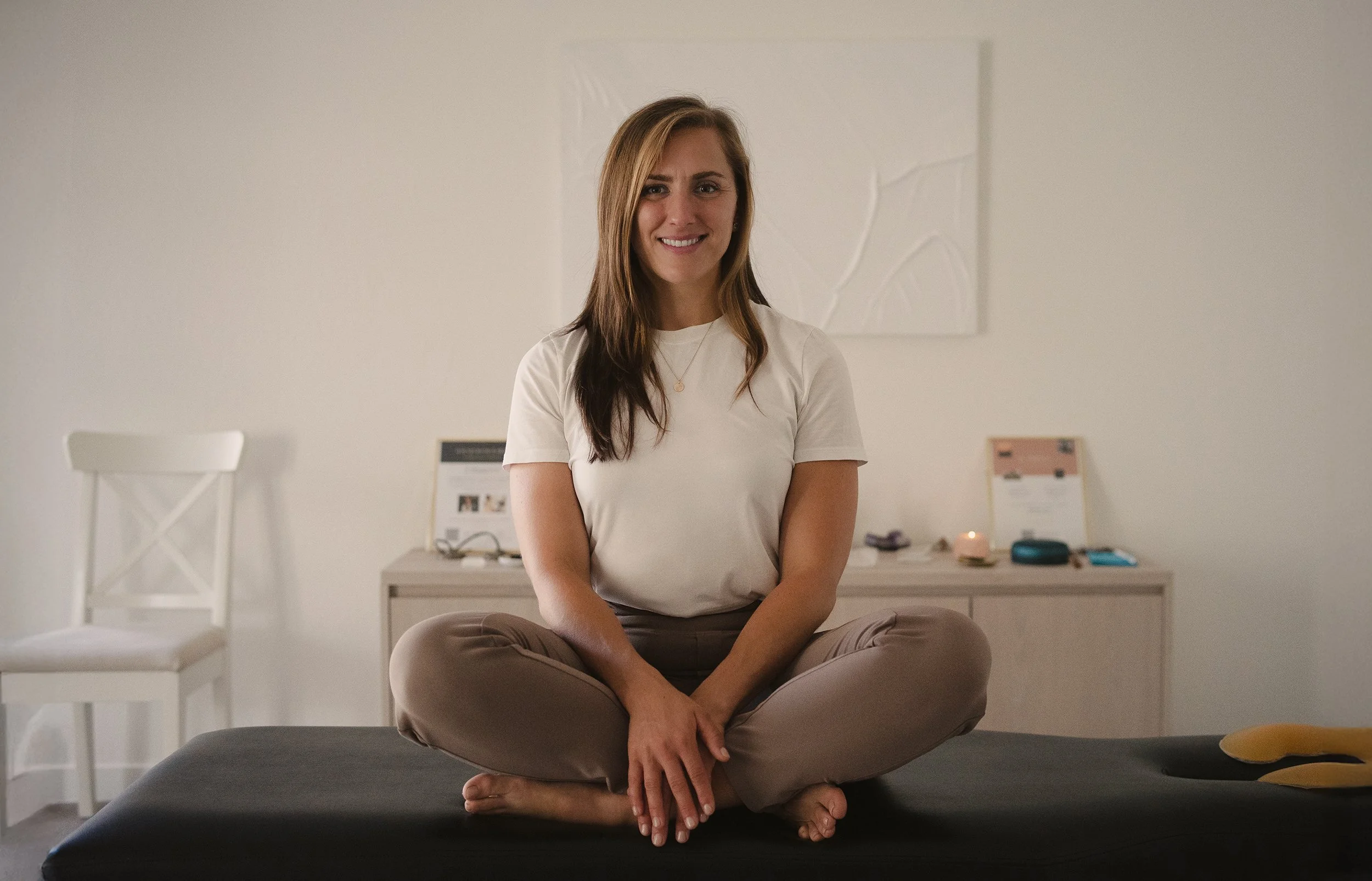
About Dr. Alandi Stec
Dr. Alandi Stec is a Doctor of Chiropractic and Reiki Master specializing in nervous system-centered healing approaches. She serves the Pleasant Hill and Bay Area athletic community through Life Force Chiropractic, combining Bio-Geometric Integration with craniosacral work and somatic practices to support athletes in discovering their body's innate capacity for optimal performance and resilience.

A FREE PRACTICE TO TAKE WITH YOU
Find Your Way Back to Center
A free guided meditation for settling the body and quieting the mind.
This 20-minute guided meditation offers a simple space to slow down, soften your attention, and reconnect with yourself. Return to it whenever life feels full, your mind feels busy, or you simply need a moment to pause.
Recorded by Dr. Alandi Stec and delivered to your inbox when you join the newsletter.