
Why You Wake Up at 3am (And Can't Fall Back Asleep)

There's a particular quality to being awake at 3am.
The house is silent. The rest of the world seems to be sleeping. And your mind, which was perfectly willing to rest a few hours ago, is now running through tomorrow's to-do list, last week's awkward conversation, and a low hum of worry that has no clear object. You're tired. You want to sleep. And sleep has quietly left the building.
If this happens to you regularly, you're in large company. Waking in the small hours and struggling to drift back is one of the most common sleep complaints there is. And notice what it isn't: it usually isn't trouble falling asleep. You managed that fine. The pattern is specifically about staying asleep through the middle of the night, which tells us something useful about what's actually going on.
The 3am Wake-Up Is Often About Your Nervous System, Not Your Sleep
We tend to treat sleep as a single, uniform state. It isn't. Sleep moves through cycles across the night, and there's a natural window in the early morning hours when sleep becomes lighter and the body's internal chemistry begins its slow shift toward waking.
For a regulated nervous system, you pass through that lighter window without noticing. For a nervous system that's been running on high, that lighter window is exactly where you surface, and once you're up, the system is primed to stay up. The waking itself is normal. What keeps you awake afterward is a body that's still holding more activation than it can set down.
This is why the 3am wake-up so often comes with a racing mind and a faint sense of alarm that doesn't match anything real. It isn't a thinking problem you can reason your way out of. It's a physiological state your thoughts are simply riding on top of. (For the broader picture of how the nervous system shapes sleep, my post Why You Can't Sleep covers the whole arc; this one is about the specific middle-of-the-night pattern.)
The Cortisol Piece
Your body runs on a daily rhythm, and one of its key signals is cortisol, a hormone that helps you wake, focus, and mobilize energy. In a healthy rhythm, cortisol is low overnight and rises toward morning to help you get up.
When the nervous system has been chronically activated, that rhythm can shift. Cortisol may begin climbing too early, or the system may sit at a higher baseline through the night. When its rise coincides with the naturally lighter phase of early-morning sleep, you wake, alert, wired, and hours before you meant to. The mind, finding itself awake, does what minds do and reaches for something to worry about. The worry feels like the cause. More often, it's the passenger.

Why "Just Relax" Doesn't Work at 3am
By the time you're staring at the ceiling, telling yourself to relax is like telling a car that's already accelerating to slow down by wishing. The activation is already underway.
This is why the usual advice, don't look at your phone, don't watch the clock, count backward, helps some people a little and many people not at all. These are reasonable tactics, but they're aimed at the moment of waking rather than the state underneath it. If the nervous system is spending the whole night in a low idle of readiness, the real work happens during the day and evening, in helping the system learn that it's genuinely safe to power down.
What Actually Helps the Pattern Shift
Lasting change tends to come from lowering the system's overall activation, not from managing individual wake-ups.
That means tending to the hours before sleep, giving the nervous system a real transition out of the day rather than working, scrolling, or problem-solving right up until the lights go off. It means daytime practices that teach the body to shift down at will, so that "settled" becomes a state it can find rather than one it stumbles into. And it often means addressing the physical tension that travels with an activated system, the held breath, the braced shoulders, the jaw that never quite lets go, because the body and the nervous system regulate each other in both directions.
Practices that reliably support this include slow breathing that lengthens the exhale, time away from screens in the last hour of the day, and guided deep-rest practices like Yoga Nidra, which train the body to enter the settled state on purpose. You'll find several short options in the Nervous System Library.

How I Work With Sleep Patterns
People rarely come to me saying they have a nervous system problem. They come in with tight shoulders, headaches, a low back that won't settle, and somewhere in the conversation they mention that they've also been waking at 3am for months.
That's rarely a coincidence. My work is informed by Bio-Geometric Integration (BGI), which views the body as an interconnected system. When the body is chronically braced, sleep is often one of the first things to suffer, and when the body begins to settle, sleep is often one of the first things to improve.
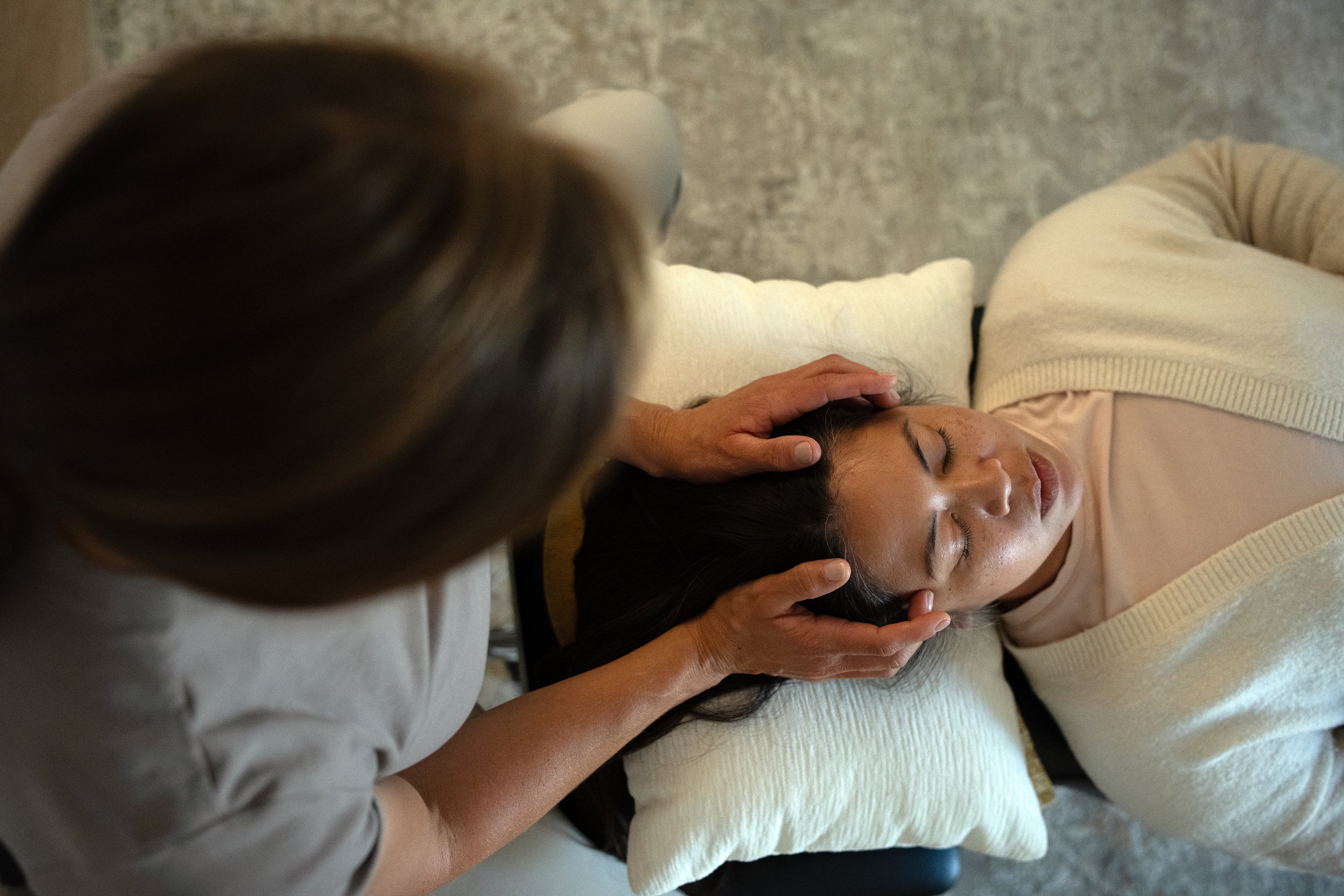
Sessions are gentle and performed fully clothed, using Bio-Geometric Integration, craniosacral therapy, soft tissue work, gentle chiropractic care, and Reiki. The aim isn't to treat sleep directly. It's to help the whole system move out of the state of readiness it's been holding. Many people notice, sometimes after the first few sessions, that the small-hours waking softens: they surface less often, and when they do, they slip back under more easily.

A Closing Invitation
If you wake most nights in the small hours with a mind that won't quiet, there's a good chance your body is carrying more activation than it's been able to release. The waking isn't a personal failing or a broken sleep switch. It's a nervous system that hasn't yet found its way back to a lower gear.
The good news is that this is learnable. The system that has been holding on can be helped to let go.
If you're in Pleasant Hill, Walnut Creek, or elsewhere in the East Bay or San Francisco and you'd like support settling a system that won't switch off, you're welcome to schedule a session.
If you'd like a guided practice to help your body find deep rest on its own, Yoga Nidra at Home is a 27-minute practice you can return to whenever sleep feels far away.
DOWNLOAD THE FREE GUIDED MEDITATION
Sleep difficulties can have many causes, some of them medical.
If your sleep is persistently disrupted, it's worth checking in with a healthcare professional.
Frequently Asked Questions
Why do I keep waking up at 3am?
Early-morning waking often coincides with a naturally lighter phase of sleep. For a nervous system that's been chronically activated, that's exactly where you surface, and elevated cortisol or a raised baseline of alertness can make it hard to drift back. The waking is usually a sign of an over-activated system rather than a sleep flaw.
Why can't I fall back asleep once I'm awake?
Once the nervous system is alert, the mind tends to latch onto worry, which keeps activation high. Because the state is physiological rather than purely mental, reasoning yourself calm rarely works in the moment. Lowering the system's overall activation during the day and evening tends to help more.
Is waking up at 3am related to stress?
Often, yes. Chronic stress can shift the body's daily cortisol rhythm and keep the nervous system in a low state of readiness overnight, both of which make middle-of-the-night waking more likely.
Does the 3am wake-up mean something is wrong with me?
Not necessarily. It's a very common pattern and usually reflects an over-activated nervous system rather than anything broken. That said, persistent sleep disruption can have medical causes, so it's worth discussing with a healthcare professional.
Can chiropractic help with sleep?
Approaches that help the whole body settle out of chronic activation may support better sleep. Many people find that as physical bracing eases, middle-of-the-night waking softens as well.
About Dr. Alandi Stec
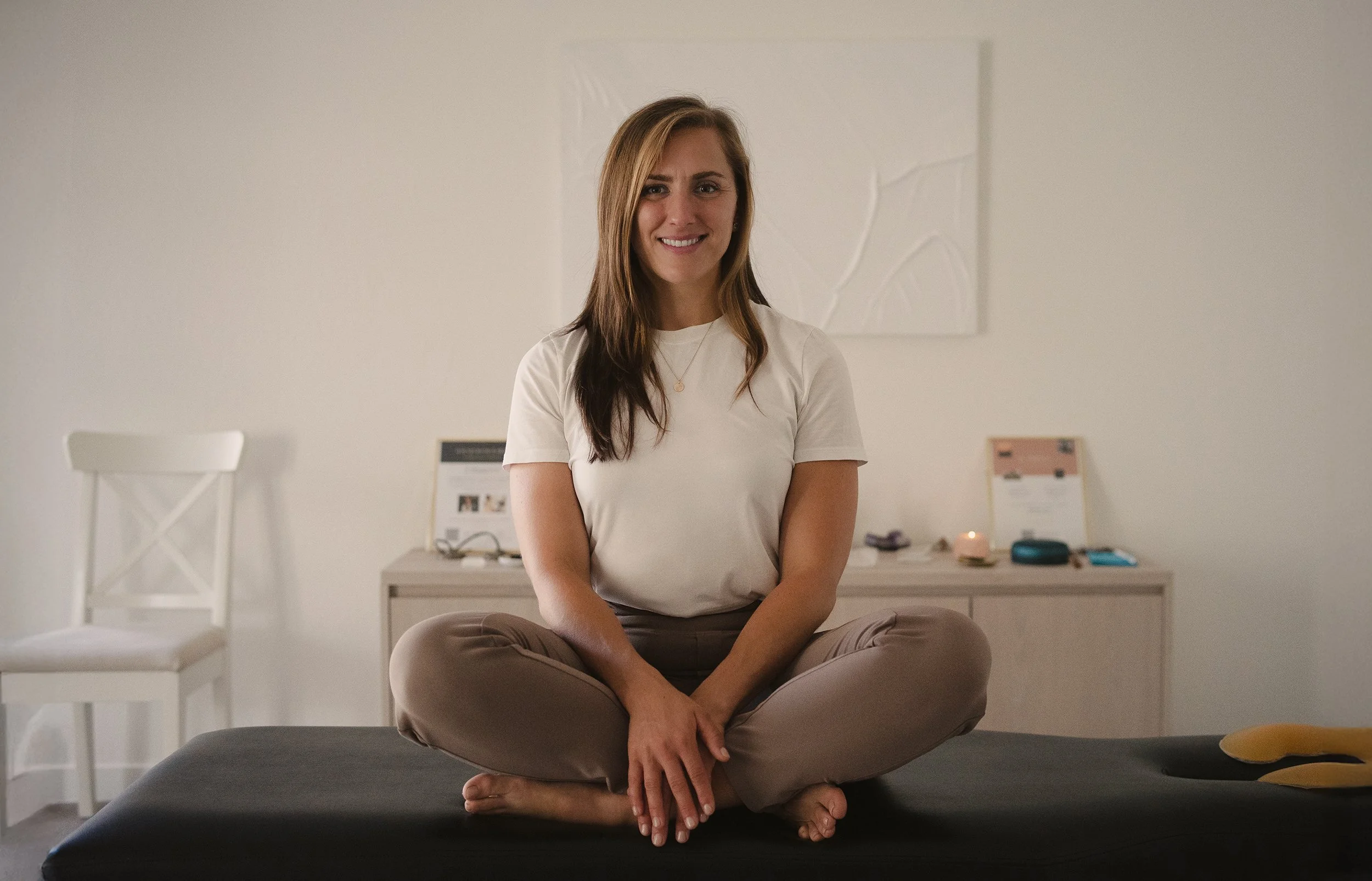
Dr. Alandi Stec is a Doctor of Chiropractic and Reiki Master specializing in nervous system-centered healing approaches. She serves the Pleasant Hill and Bay Area athletic community through Life Force Chiropractic, combining Bio-Geometric Integration with craniosacral work and somatic practices to support athletes in discovering their body's innate capacity for optimal performance and resilience.

A FREE PRACTICE TO TAKE WITH YOU
Find Your Way Back to Center
A free guided meditation for settling the body and quieting the mind.
This 20-minute guided meditation offers a simple space to slow down, soften your attention, and reconnect with yourself. Return to it whenever life feels full, your mind feels busy, or you simply need a moment to pause.
Recorded by Dr. Alandi Stec and delivered to your inbox when you join the newsletter.