
Grinding Your Teeth at Night: What Bruxism Says About Your Nervous System
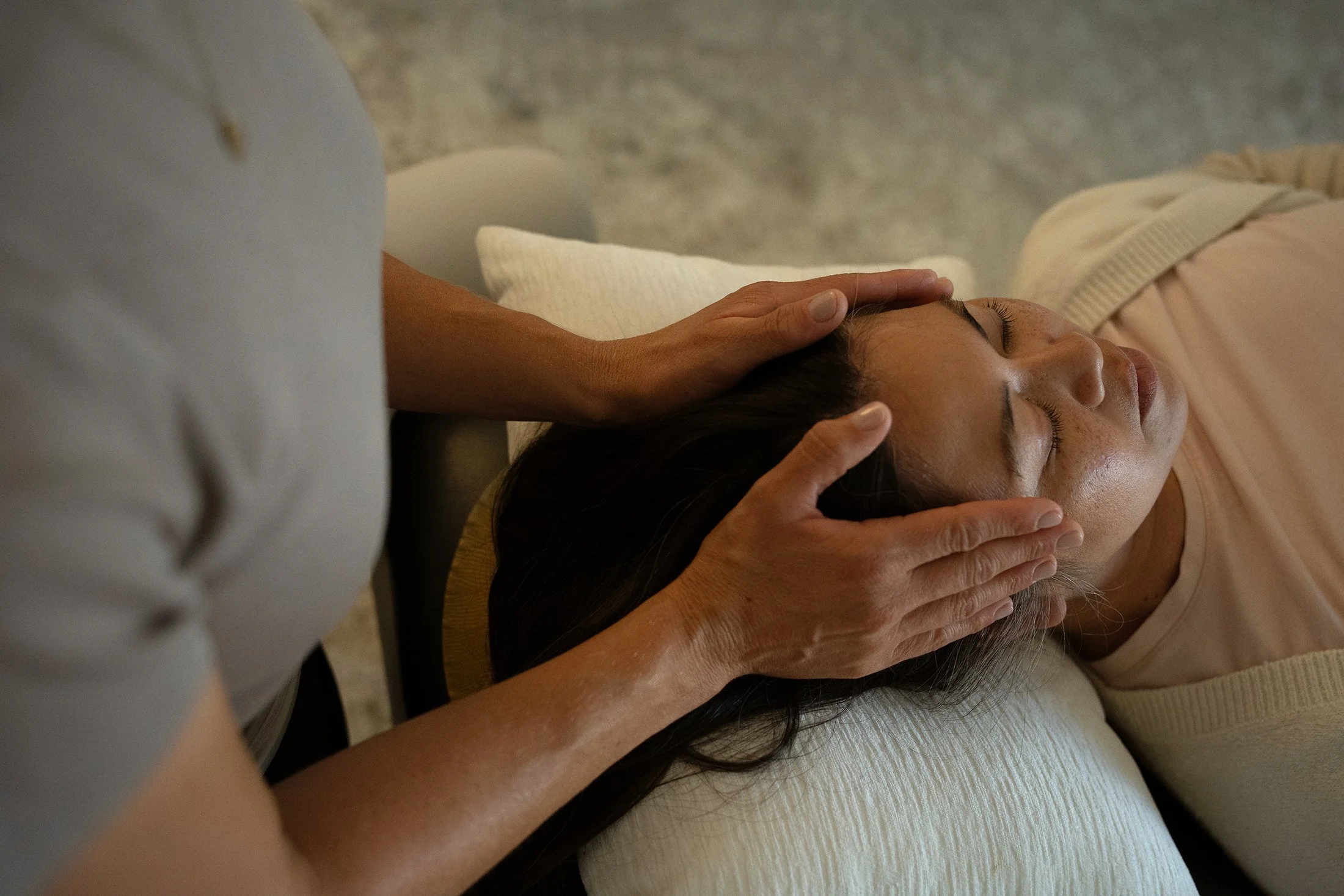
Most people don't discover they grind their teeth. Their dentist does.
It shows up as flattened edges, a hairline crack in a molar, enamel worn in a way that doesn't match your age. Or you start piecing it together yourself: the dull ache in the jaw first thing in the morning, the headaches that are worst on waking, the tension at the temples, a partner who mentions the sound. By the time bruxism has a name, it has usually been going on for a while.
The standard response is a night guard, and a night guard is genuinely useful. It protects your teeth from the force. But it's worth noticing what it does and doesn't do. It cushions the grinding. It doesn't stop it. The jaw is still working hard all night, which raises the more interesting question: why is your body clenching in the one part of the day when it's supposed to be completely at rest?
Grinding Is Something the Body Does, Not Something You Choose
Daytime clenching, you can sometimes catch. You notice the jaw is set during a hard email and you release it. Nighttime grinding is different. You're asleep. There's no decision involved, no conscious tension to let go of. The body is doing this on its own.
That's the key to understanding it. Bruxism isn't a habit in the way nail-biting is a habit. It's a physiological event, an expression of what your nervous system is doing while you're unconscious. And a nervous system that keeps the jaw working through the night is a nervous system that hasn't fully powered down for sleep.

What the Jaw Is Doing While You Sleep
The jaw is one of the most densely wired, powerful, and expressive regions of the body. The muscles that close it are among the strongest for their size that you have. It's also deeply connected to the state of your nervous system: the jaw sets when we brace, concentrate, or hold something back, and it's one of the last places tension lets go.
During sleep, the body is meant to cycle down through progressively deeper stages of rest. For someone carrying a lot of daytime activation, that cycling-down is incomplete. The system stays partly on, and one of the places that leftover activation gets expressed is the jaw. The grinding is the visible edge of a much larger pattern of a body that's still, in some sense, working.
This is why bruxism so often travels with other signs of an activated system: morning headaches (the jaw and cranial muscles are exhausted before the day begins), neck tension, disrupted sleep, and a sense of never feeling fully rested. Jaw tension is a deep enough subject that it has its own article, Jaw Tension & TMJ: The Nervous System Connection, and if you also wake with headaches, Headaches After Screen Time covers how the jaw, neck, and eyes combine.
Why the Night Guard Isn't the Whole Answer
A night guard protects the teeth, which matters. But if the grinding is a symptom of a nervous system that can't fully settle, the guard is managing the damage rather than the cause. The jaw keeps working. The mornings stay sore. The headaches continue.
Approaching bruxism only at the level of the teeth is a bit like putting a bumper on a car that keeps hitting the wall. Useful protection, but the more important question is why the car keeps heading for the wall in the first place. For most people who grind, the answer lives in how much activation their system is carrying and how little of it gets discharged before sleep.
The Nervous System Layer
Your nervous system regulates muscle tone everywhere, including at night. When it's been running high through the day, it doesn't simply flip off at bedtime. It carries that tone into sleep, and the jaw, being both powerful and closely tied to emotional and protective states, is a common place for it to land.
Stress, in the everyday sense, is part of this. So is a body that never gets a real transition between the demands of the day and the act of lying down. When the last thing your system does before sleep is process email, replay a conversation, or brace against tomorrow, it goes to bed activated, and it grinds.
How I Work With Jaw Tension and Grinding
Many people arrive focused entirely on the jaw. Sometimes the jaw is where much of the work happens. More often, it's one part of a larger pattern.
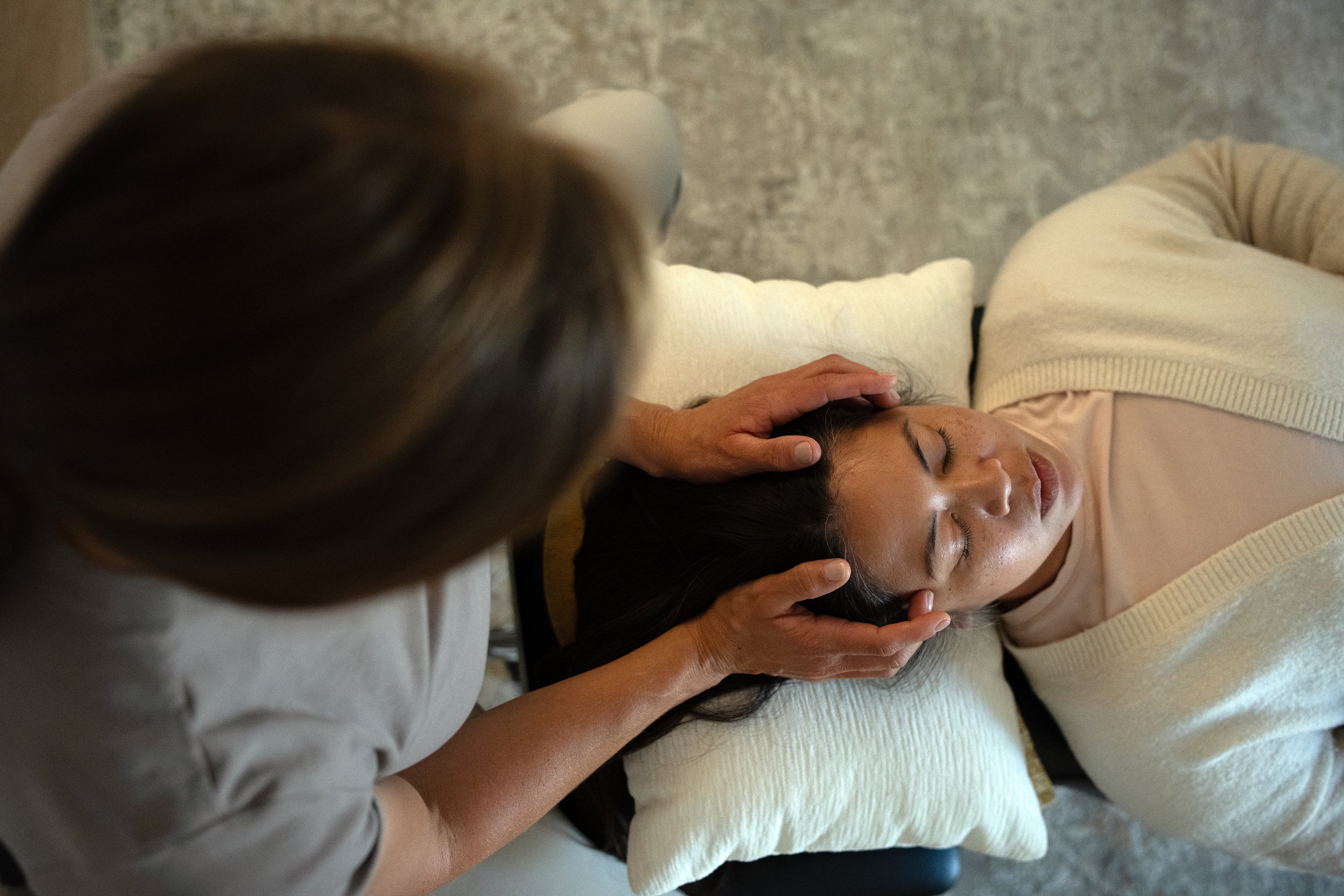
My work is informed by Bio-Geometric Integration (BGI), which treats the body as an interconnected system. The jaw connects intimately with the cranium, the upper neck, and the whole postural system, and it reflects the state of the nervous system as clearly as any region of the body. When someone comes in with grinding or clenching, I'm listening for more than the jaw: how the cranial system is moving, what the upper neck is holding, and how much overall activation the body is carrying.
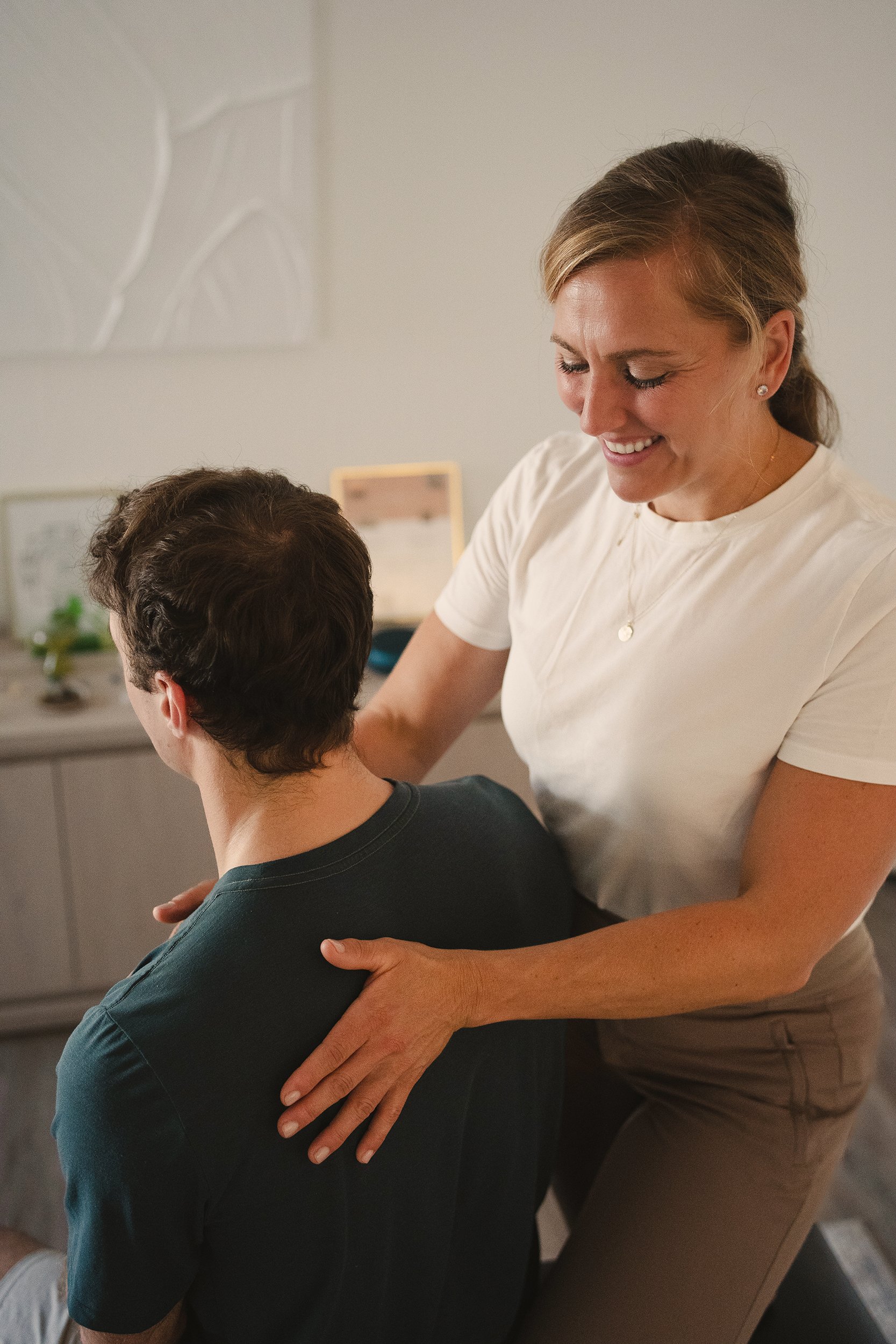
Sessions are gentle and performed fully clothed, using Bio-Geometric Integration, craniosacral therapy, soft tissue work, gentle chiropractic care, and Reiki. Craniosacral work in particular can be helpful here, since it works directly with the cranial system and the tissues surrounding the jaw. As the whole system settles, many people notice the jaw softening, the morning soreness easing, and sleep deepening.
Between Sessions
A few practices support a jaw that grinds. Build a genuine wind-down before sleep, so your nervous system gets a clear signal that the day's demands have ended, rather than carrying them into bed. Notice daytime clenching, since many nighttime grinders also hold subtle tension all day; simply catching it and letting the jaw rest, teeth slightly apart, tongue soft, begins to change the pattern. Slow, long exhales in the evening help the whole system shift toward rest. And keep protecting your teeth with a night guard if your dentist has recommended one; addressing the nervous system and protecting the teeth work well together.

A Closing Invitation
If you grind your teeth at night, your body is telling you something worth hearing. It's showing you a nervous system that hasn't found its way fully to rest, working in the dark when it's meant to be recovering.
The reassuring part is that this can change. As the system learns to settle, the jaw often follows.
If you're in Pleasant Hill, Walnut Creek, or elsewhere in the East Bay or San Francisco and you'd like support with jaw tension or nighttime grinding, you're welcome to schedule a session.
If you'd like to begin calming an activated system on your own, 12 Days of Nervous System Regulation offers short daily practices to help your body find a lower gear.
Frequently Asked Questions
Why do I grind my teeth at night?
Nighttime grinding is usually an expression of a nervous system that hasn't fully powered down for sleep. When the body carries daytime activation into the night, the jaw, being powerful and closely tied to protective states, is a common place for that tension to land.
Does a night guard stop teeth grinding?
A night guard protects the teeth from the force of grinding, which is important, but it doesn't stop the grinding itself. Addressing the underlying nervous system activation is what tends to reduce the grinding over time.
Is teeth grinding related to stress?
Frequently, yes. Stress raises overall muscle tone and can keep the nervous system activated into sleep, both of which make nighttime grinding more likely.
Why do I wake up with headaches and a sore jaw?
Grinding works the jaw and cranial muscles hard all night, which can leave them fatigued and sore by morning and contribute to headaches on waking.
Can chiropractic help with teeth grinding?
A gentle, whole-body approach, including craniosacral work with the cranial system and jaw, may help by supporting the nervous system in settling more fully. As overall activation eases, many people find the grinding softens.
About Dr. Alandi Stec
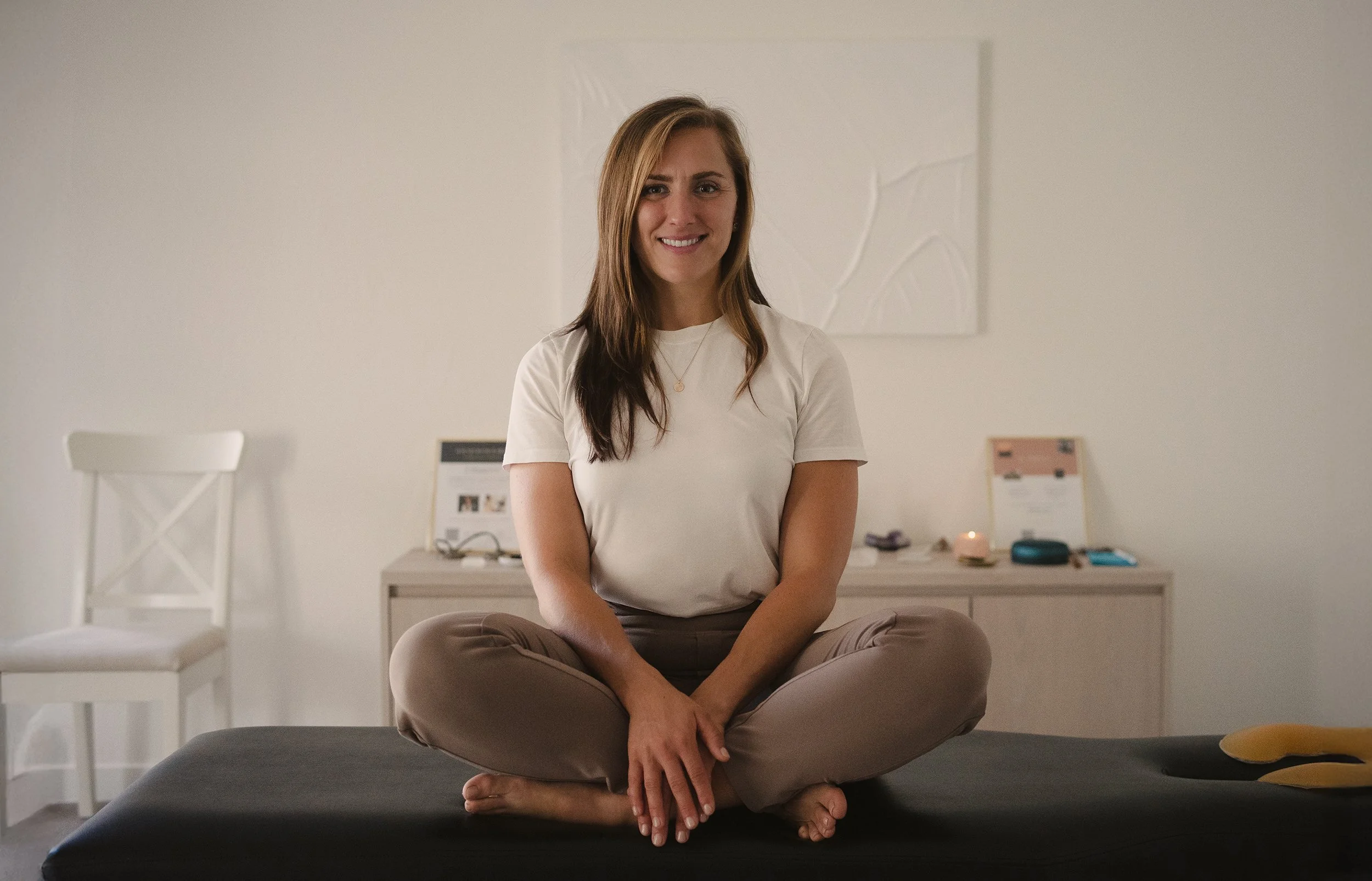
Dr. Alandi Stec is a Doctor of Chiropractic and Reiki Master specializing in nervous system-centered healing approaches. She serves the Pleasant Hill and Bay Area athletic community through Life Force Chiropractic, combining Bio-Geometric Integration with craniosacral work and somatic practices to support athletes in discovering their body's innate capacity for optimal performance and resilience.

A FREE PRACTICE TO TAKE WITH YOU
Find Your Way Back to Center
A free guided meditation for settling the body and quieting the mind.
This 20-minute guided meditation offers a simple space to slow down, soften your attention, and reconnect with yourself. Return to it whenever life feels full, your mind feels busy, or you simply need a moment to pause.
Recorded by Dr. Alandi Stec and delivered to your inbox when you join the newsletter.