
Headaches After Screen Time: Understanding the Neck, Jaw, and Eye Connection
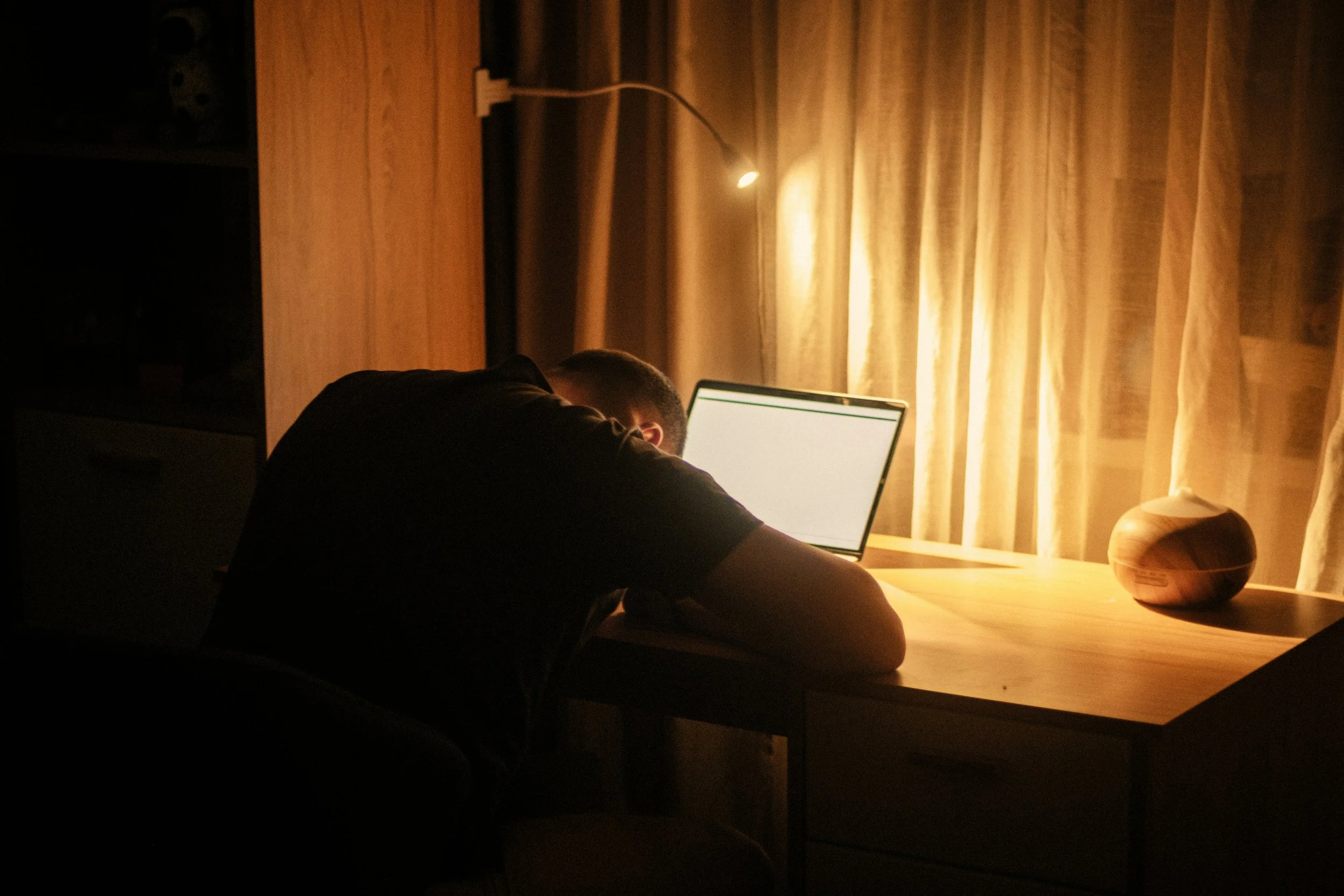
For many people, the headache doesn't begin in the head. It begins as subtle tension.
A little tightness at the base of the skull after a few hours at the computer. Pressure behind the eyes during a long stretch of focused work. A jaw that feels slightly clenched by the end of the day. A neck that gradually becomes stiffer as the hours pass.
Then, somewhere between the last meeting and the end of the workday, the headache arrives. For some it's a dull ache across the forehead. For others it's pressure behind the eyes, or tension wrapping around the sides of the head, or pain that begins at the base of the skull and travels upward.
Whatever the pattern, many people working in tech eventually ask the same question: why do I keep getting headaches after spending the day in front of a screen? The answer is often more complex than eye strain alone.
Most Headaches Are Not Actually Head Problems
When pain shows up in the head, it's natural to assume the head is where the problem begins. Sometimes that's true. But many headaches are actually driven by structures outside the head itself. The neck, jaw, shoulders, eyes, rib cage, breathing patterns, and nervous system all have the ability to influence what we experience as a headache.
This is one reason people can have normal imaging and still experience frequent headaches. The symptom is real. The source simply isn't always where people expect. Many headaches are best understood as the result of accumulated tension and compensation throughout interconnected systems of the body. The head is often where the body finally gets our attention.
What Screen Time Asks of the Body
Technology work requires a tremendous amount of visual focus. Whether you're writing code, reviewing designs, analyzing data, or moving between meetings, your eyes are asked to maintain attention for hours.
The body responds automatically. The eyes narrow their focus. The jaw subtly tightens. The neck increases its tone. The shoulders elevate. The breath becomes shallower. The nervous system organizes around concentration.
None of this is inherently problematic. The challenge is that many people stay in this state for much of the day without interruption. The body becomes increasingly efficient at focusing and increasingly inefficient at relaxing. Over time, the tension accumulates, and for many people, headaches are one of the ways the body expresses that accumulation.

The Connection Between Your Eyes and Your Neck
One of the most overlooked contributors to headaches is the relationship between the eyes and the neck.
The eyes aren't independent structures floating inside the skull. They're deeply connected to the muscles, nerves, and postural systems that organize the head and neck. When the eyes spend hours focused on a screen, the body naturally orients around that activity. The head moves slightly forward. The neck muscles become more active. The muscles at the base of the skull work harder to maintain position.
Most people are unaware this is happening. Yet the body is continuously making these adjustments throughout the day. Over time, the muscles surrounding the upper neck can become overworked, and tension accumulates near the base of the skull, where many common headache patterns originate. This is one reason headaches often appear after long periods of visual concentration, even when the eyes themselves feel fine.
The Jaw's Role in Headaches
The jaw is another region that frequently contributes to headache patterns. Many people clench without realizing it. Others grind their teeth while sleeping. Some maintain subtle tension through the jaw the entire workday.
The jaw has close relationships with the muscles of the face, neck, cranium, and upper cervical spine. When tension increases in one area, the effects are often felt elsewhere. It's common for someone with chronic headaches to also experience jaw tension, and equally common for someone with jaw tension to experience neck discomfort. The body rarely separates these regions as cleanly as we do.
Jaw tension is a deep enough subject that it has its own article: Jaw Tension & TMJ: The Nervous System Connection. If you notice you clench or grind, especially at night, that's worth reading, and nighttime clenching often overlaps with disrupted sleep, which I cover in Why You Can't Sleep.
Why Stress Often Shows Up as a Headache
Stress is one of the most common headache triggers, yet it's often misunderstood. People frequently think of stress as an emotional experience. The body experiences it physically.
When the nervous system perceives ongoing demand, muscle tone increases throughout the system. The jaw becomes tighter. The neck becomes tighter. The shoulders lift. Breathing becomes shallower. These changes are useful when responding to a short-term challenge. The difficulty arises when the challenge never seems to end.
Many technology professionals spend much of the day moving between deadlines, notifications, meetings, and problem-solving. The nervous system receives a continuous stream of information requiring attention, and the body adapts. For some people that adaptation shows up as shoulder tension. For others, it shows up as headaches. The symptom may feel like a head problem. The pattern is often much larger.
The Role of Breathing in Headache Patterns
Breathing is rarely the first thing people consider when thinking about headaches, yet breathing patterns have a profound influence on tension throughout the body.
When the diaphragm is moving well, breathing is distributed throughout the rib cage and trunk, and the neck and shoulders contribute very little. When stress increases, many people begin breathing into the upper chest, and the neck and shoulders start assisting with every breath. Muscles designed to help occasionally become muscles working all day long. This creates additional workload throughout the upper body, which often contributes to tension through the neck, jaw, and base of the skull. For many people, headaches are one of the downstream effects.
Why Pain Medication Doesn't Always Solve the Problem
Pain medication can be helpful for reducing symptoms. What it often doesn't address is the pattern creating those symptoms.
If the neck remains tense, the jaw remains clenched, the shoulders remain elevated, and the nervous system remains organized around ongoing demand, the body often recreates the same conditions that contributed to the headache in the first place. This is one reason some people feel as though they're constantly managing headaches without ever fully resolving them. The symptom improves. The pattern remains. Understanding the distinction is often an important step toward lasting change.

How I Work With Headache Patterns
Many people arrive expecting treatment to focus primarily on the head. Sometimes it does.
More often, headaches are part of a larger conversation involving the neck, jaw, shoulders, rib cage, breathing patterns, posture, and nervous system.
My work is informed by Bio-Geometric Integration (BGI), which views the body as an interconnected system.
When someone comes in with recurring headaches, I'm interested in more than the pain itself.
How is the neck moving? What's happening through the jaw?
How is the breath moving? Where is the body carrying excessive tension?
Sessions are gentle and performed fully clothed, using a combination of Bio-Geometric Integration, craniosacral therapy, soft tissue work, gentle chiropractic care, and Reiki. Often the work begins far from where the pain is felt: a breathing pattern influencing neck tension, a rib cage restriction affecting the shoulders, a jaw pattern influencing the cranial system.
As the larger system reorganizes, many people notice changes beyond headache relief. The jaw feels softer. The shoulders settle. The neck moves more freely. The eyes feel less strained. The goal isn't simply reducing headaches. It's helping the body stop creating the conditions that make headaches more likely.
Practices That Can Help Between Sessions
If headaches frequently follow screen time, several simple practices can help.
Take regular breaks from close visual focus, and look into the distance periodically to give the eyes and nervous system an opportunity to shift out of sustained concentration.
Take walking breaks to restore movement through the spine, shoulders, and rib cage. Pay attention to jaw tension, since many people are surprised to discover how often they clench during the workday. Breathe into the lower rib cage and abdomen to reduce the tendency for the neck and shoulders to become secondary breathing muscles.
Most importantly, create opportunities throughout the day for your nervous system to experience moments of recovery rather than remaining in a continuous state of output.


A Closing Invitation
If headaches have become a regular part of your workweek, there's a good chance the story is bigger than screen time alone. The symptoms may reflect accumulated tension through the eyes, jaw, neck, shoulders, breathing system, and nervous system, representing years of adaptation to sustained focus, prolonged sitting, and ongoing cognitive demand.
The good news is that these patterns can change. With the right support, the body can begin organizing around something different.
If you're in Pleasant Hill, Walnut Creek, or elsewhere in the East Bay or San Francisco and you're looking for a different approach to sciatica, you're welcome to schedule a session.
If you're outside the area, 12 Days of Nervous System Regulation offers daily guided practices to help your whole system settle.
Frequently Asked Questions
Why do I get headaches after working on a computer all day?
Headaches after screen time often involve a combination of visual focus, neck tension, jaw tension, shoulder tension, breathing patterns, and nervous system stress.
Can neck tension cause headaches?
Yes. Tension throughout the upper neck and base of the skull is one of the most common contributors to headache patterns.
Can jaw clenching cause headaches?
Yes. Tension through the jaw can influence the muscles of the face, neck, and cranium and is frequently associated with recurring headaches.
Can stress cause headaches?
Yes. Stress often increases muscle tone throughout the neck, shoulders, jaw, and upper body, creating conditions that make headaches more likely.
Can chiropractic help headaches?
A whole-body approach can help address the tension patterns, movement restrictions, posture, and nervous system factors that often contribute to recurring headaches.
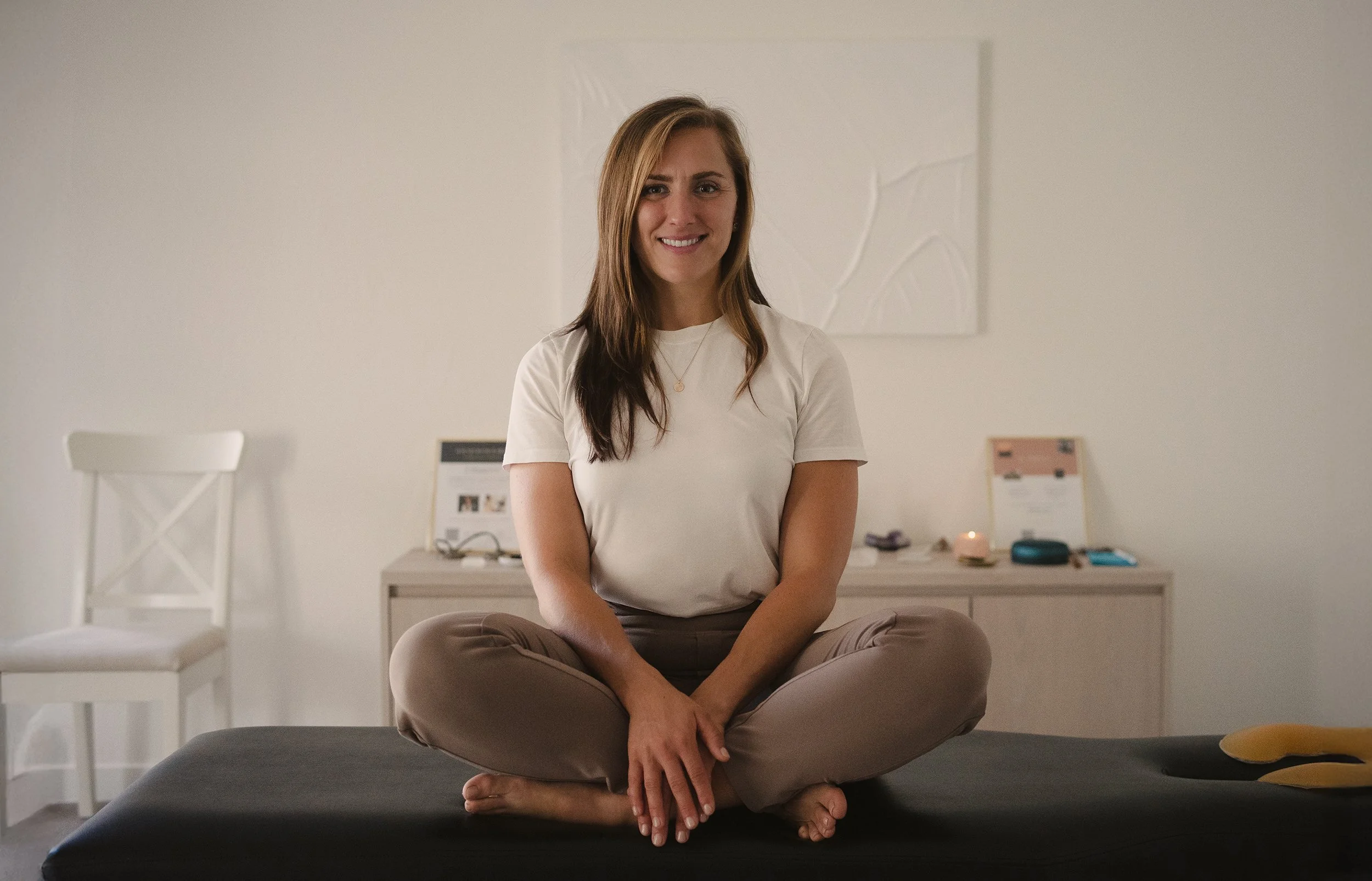
About Dr. Alandi Stec
Dr. Alandi Stec is a Doctor of Chiropractic and Reiki Master specializing in nervous system-centered healing approaches. She serves the Pleasant Hill and Bay Area athletic community through Life Force Chiropractic, combining Bio-Geometric Integration with craniosacral work and somatic practices to support athletes in discovering their body's innate capacity for optimal performance and resilience.

A FREE PRACTICE TO TAKE WITH YOU
Find Your Way Back to Center
A free guided meditation for settling the body and quieting the mind.
This 20-minute guided meditation offers a simple space to slow down, soften your attention, and reconnect with yourself. Return to it whenever life feels full, your mind feels busy, or you simply need a moment to pause.
Recorded by Dr. Alandi Stec and delivered to your inbox when you join the newsletter.