
Why You Can't Sleep (It's Your Nervous System)

You're exhausted. You've been tired all day. But the moment your head hits the pillow, your mind starts racing.
Or maybe you fall asleep easily but wake at 3am, heart pounding, thoughts spiraling.
You've tried everything. Melatonin. Sleep meditations. No screens before bed. Keeping your room cool and dark. But nothing seems to work for more than a night or two.
Here's what most people don't realize: your sleep problem isn't actually a sleep problem.
It's a nervous system problem.
The Exhaustion Paradox: Too Tired to Sleep
There's a particular kind of suffering that comes with chronic sleep issues. You feel bone-tired throughout the day, counting the hours until you can collapse into bed. Your body aches for rest.
Then night comes. You lie down. And suddenly, your body won't cooperate.
Your muscles stay tense. Your mind clicks through tomorrow's to-do list, last week's conversation, next month's worry. Your heart rate won't settle. You check the clock: 11:47 pm. Then 12:23 am. Then 1:15 am.
The exhaustion grows heavier, but sleep feels further away with each passing hour.
When you finally drift off, it's thin and restless. You wake feeling like you barely slept at all. And the cycle begins again.
This paradox—being too tired to sleep—creates a compounding problem. Poor sleep depletes your nervous system's capacity. A depleted nervous system can't regulate effectively. And a dysregulated nervous system won't let you sleep.
You start to dread bedtime. What should be sanctuary becomes a battlefield.
And underneath it all, a quiet fear: What if this never changes? What if I never sleep well again?
Why Sleep Hygiene Isn't Enough
If you've struggled with sleep, you've probably encountered the standard advice:
• Keep a consistent sleep schedule
• Make your bedroom cool, dark, and quiet
• Avoid caffeine after 2pm
• No screens an hour before bed
• Try magnesium or melatonin
• Practice sleep meditations
This is solid advice. These things do matter.
But if your nervous system is stuck in a state of activation, all the sleep hygiene in the world won't override your body's protective mechanisms.
Here's why these approaches often fall short:
Sleep hygiene addresses symptoms, not the root cause.
A dark room and blue light blockers can't tell your nervous system it's safe to let go.
Supplements offer temporary fixes.
Melatonin might help you fall asleep, but it won't address why your body won't stay asleep. Magnesium supports relaxation, but if your nervous system is chronically activated, you'll burn through those calming effects quickly.
"Just relax" doesn't work when your body is wired.
Sleep meditations that tell you to relax can actually increase frustration when your system won't comply. You're not failing at meditation. Your nervous system is doing exactly what it's designed to do when it perceives a threat: stay vigilant.
The blue light focus misses the bigger picture.
Yes, screens disrupt melatonin production. But if your nervous system is dysregulated throughout the day, eliminating screens at night is like trying to bail water out of a boat without addressing the hole.
The real issue isn't your sleep environment or your bedtime routine. The real issue is that your body doesn't feel safe enough to enter deep rest.

Your Nervous System Won't Let You Sleep
Sleep is a vulnerable state. Your body knows this at a primal level.
When you sleep, your defenses drop. Your awareness dims. You become temporarily unable to respond to threats. This is why your nervous system will only allow sleep when it perceives the environment as fundamentally safe.
If your nervous system is stuck in sympathetic activation (your body's fight-or-flight response), it interprets rest as dangerous. Vigilance becomes the priority. Sleep becomes secondary.
This isn't a conscious choice. It's an automatic protective response.
When your nervous system blocks sleep, several things are happening:
Your brain stays in high-alert mode.
The parts of your brain responsible for threat detection (like the amygdala) remain active even when there's no immediate danger. Your mind races through scenarios, replays conversations, anticipates problems—all in an attempt to prepare you for potential threats.
Your body maintains a state of readiness.
Your muscles stay partially contracted. Your heart rate stays elevated. Your breathing remains shallow and chest-focused rather than deep and diaphragmatic. These are all physiological signs of a system that won't downshift.
Your vagus nerve isn't providing the "all clear" signal.
The vagus nerve is the primary pathway of your parasympathetic nervous system, the state that allows for rest and restoration. When vagal tone is low or dysregulated, the calming signals that should prepare your body for sleep never fully arrive.
Unprocessed stress accumulates. Your body holds tension from the day's experiences—difficult conversations, deadlines, rushing, even just the subtle stress of being "on" all day. If you move from activity straight to bed without allowing your system to discharge this activation, it stays with you into the night.
This is why you can be physically exhausted but mentally wired. Your body is ready for sleep, but your nervous system is saying "not yet, it's not safe."
The 3 am Wake-Up: Your Nervous System's Alarm
One of the most distressing sleep patterns is falling asleep easily, only to wake in the early morning hours—often between 2 am and 4 am—unable to fall back asleep.
Your heart might be racing. Anxiety floods your system. Thoughts spiral. The darkness amplifies every worry.
This pattern has a nervous system explanation.
Your body experiences a natural cortisol dip in the early morning hours, typically around 3 am. For most people, this dip goes unnoticed—their nervous system remains regulated, and sleep continues.
But if your nervous system is already sensitized from chronic stress or dysregulation, this natural dip can trigger a protective response. Your body interprets the slight decrease in stress hormones as a potential threat (ironically), and releases a surge of cortisol to "wake you up" in case there's danger.
This is hypervigilance in action.
Your system is scanning for threats even while you sleep. When it detects any change in your internal state, it jolts you awake as a precaution.
Over time, this pattern can become conditioned. Your body learns to wake at a certain time. The anticipation of waking actually helps cause the waking. The cycle reinforces itself.
The compassionate truth here: you're not broken. Your nervous system is trying to protect you. It's just overprotecting in a way that no longer serves you.
Why Your Body Holds the Key to Better Sleep
Sleep medications might knock you out, but they don't teach your nervous system how to rest. They override your system rather than work with it.
True, restorative sleep requires your body to feel fundamentally safe. This safety isn't created through external conditions alone. It's built through nervous system regulation.
When your nervous system learns to downregulate effectively, sleep becomes natural again. Not forced. Not medicated. Natural.
This happens through several pathways:
Vagal tone improves.
The vagus nerve begins sending stronger parasympathetic signals that tell your body it's safe to rest. Your heart rate variability increases, a sign of nervous system flexibility. The physical sensation of relaxation becomes more accessible.
The activation-rest cycle restores balance.
Instead of being stuck in chronic activation, your system becomes fluid again. You can mobilize energy when needed and discharge it when the task is complete. This natural rhythm supports the transition into sleep.
Your window of tolerance expands.
This is the range in which your nervous system can maintain regulation. When this window is narrow, small stressors knock you out of balance and disrupt sleep. As it widens through practice, you become less reactive, more resilient, and better able to maintain calm into the evening hours.
Unprocessed activation finds release.
When you create space during the day for your body to complete stress responses through movement, breath, or somatic practices, you don't carry that tension into bed with you.



Practices That Help Your Nervous System Prepare for Sleep
These aren't sleep tricks. These are nervous system practices that create the conditions for your body to choose rest.
1. The Evening Downshift Ritual
Your body can't go from full activation to deep sleep in minutes. It needs a transition period.
Create a 30-60 minute evening ritual that helps your nervous system shift states:
Physical discharge:
Gentle movement, stretching, or a slow walk signals to your body that the day's activities are complete. This doesn't need to be intense. Even 5-10 minutes of easy movement helps.
Temperature transition:
A warm bath or shower followed by a cool room mimics your body's natural temperature drop that occurs during sleep. This physical cue helps trigger the sleep response.
Soft lighting:
Dimming lights 1-2 hours before bed supports melatonin production, but more importantly, it signals to your nervous system that the active part of the day is ending.
2. Breath Practices for Sleep Initiation
Your breath is the most accessible tool for nervous system regulation. Extended exhales activate the parasympathetic nervous system and signal safety to your body.
The 4-7-8 Breath:
• Inhale through your nose for 4 counts
• Hold for 7 counts
• Exhale through your mouth for 8 counts
• Repeat 4-8 times
The extended exhale is key. It stimulates your vagus nerve and shifts your body toward rest.
Alternate if holding feels uncomfortable:
• Inhale for 4 counts
• Exhale for 6-8 counts
• No hold required
• Focus on making the exhale longer than the inhale
3. Body Scanning Without Fixing
Lying in bed, bring gentle awareness to your body without trying to change anything.
Notice your feet. Your legs. Your belly. Your chest. Your face.
Where do you feel tension? Where do you feel softness? Where does your body make contact with the bed?
This isn't about forcing relaxation. It's about creating presence with what is. Often, tension releases naturally when we simply acknowledge it without judgment.
4. Yoga Nidra as a Bridge to Sleep
Yoga Nidra is a guided practice that brings you to the edge of sleep while maintaining a thread of awareness. It's sometimes called "yogic sleep" because it allows your body to experience deep rest even if you don't fully lose consciousness.
A 20-30 minute Yoga Nidra practice can be as restorative as 2-3 hours of regular sleep. Many people find that starting a Yoga Nidra recording naturally leads them into sleep, or that the deep rest it provides is enough even if traditional sleep remains elusive.
The practice guides you through systematic body awareness, breath observation, and gentle visualization in a way that encourages your nervous system to release into parasympathetic states.
5. The Middle-of-the-Night Response
If you wake at 3am, anxious and alert:
First, don't panic.
Panicking about not sleeping creates more activation. Instead, acknowledge: "My nervous system is activated right now. This is uncomfortable, but it's not dangerous."
Shift your focus to your breath.
Don't try to force sleep. Instead, extend your exhales. Make them twice as long as your inhales. This gives your nervous system something regulating to do.
If you're still awake after 20-30 minutes, get up.
Go to another dimly lit room. Do something quiet and non-stimulating—read something unengaging, fold laundry, sit quietly. Return to bed when you feel drowsy, not when you think you "should" sleep.
Consider a short Yoga Nidra practice.
Even if you don't fall back asleep immediately, the deep rest will support your system.
What Restored Sleep Actually Feels Like
When your nervous system begins to regulate and sleep improves, the changes extend far beyond feeling rested.
You wake naturally, without an alarm jarring you from deep sleep. Your body feels soft and loose, not stiff and braced. Your mind is clear rather than foggy.
Throughout the day, your capacity expands. Small stressors don't derail you. Your patience increases. Your creativity returns. Food tastes better. Colors seem brighter. You have bandwidth for joy again.
The chronic low-level anxiety that used to hum beneath everything begins to quiet. You stop dreading bedtime. Your bed becomes a place of restoration rather than a reminder of what's not working.
This doesn't happen overnight. Your nervous system took time to develop dysregulated patterns, and it will take time to restore regulation. Most people notice small improvements within 2-3 weeks of consistent practice—falling asleep a bit easier, staying asleep slightly longer, feeling marginally more rested.
These small improvements compound. Within a few months, many people find their sleep has transformed in ways they'd stopped believing possible.



When to Seek Support
Sleep issues deserve attention. While nervous system practices can create significant improvement, sometimes you need additional support.
Consider professional guidance if:
• Sleep problems have persisted for more than 3 months despite consistent self-care efforts
• Anxiety or depression are significantly impacting your sleep
• You suspect sleep apnea or other medical sleep disorders (snoring, gasping for air, extreme daytime fatigue)
• Past trauma is contributing to hypervigilance at night
• You're relying on sleep medications and want to explore other options
Chiropractic Support for Sleep
Gentle, nervous system-focused chiropractic care can support better sleep through multiple pathways.
Tension in your neck and upper back directly impacts vagal tone. When your upper cervical spine is misaligned or restricted, it can interfere with the signals traveling along your vagus nerve. Gentle adjustments help restore proper alignment and nerve function, improving your body's capacity to downregulate.
Craniosacral work, which is often integrated into chiropractic sessions, helps release held tension in the head and neck, creating space for the nervous system to settle.
For those in Pleasant Hill, Walnut Creek, Lafayette, or the surrounding Bay Area, this kind of support is available through nervous system-centered chiropractic care. The gentle approach honors your body's wisdom while creating structural conditions for better regulation.
Structured Practice Support
Having a daily practice structure can make all the difference in consistency. If you're struggling to establish your own routine, the Yoga Nidra At Home course provides guided support specifically designed for nervous system regulation and rest. For $35, you get lifetime access to a 27-minute guided practice, a comprehensive workbook, and setup guidance to establish your rest ritual.
For those wanting more comprehensive nervous system support, the12-Day Nervous System Regulation course offers daily practices that address regulation from multiple angles, building the foundation that allows sleep to improve naturally.
Frequently Asked Questions
How long does it take to see improvement in sleep through nervous system work?
Most people notice subtle shifts within 2-3 weeks of consistent daily practice—falling asleep slightly easier, waking less frequently, or feeling marginally more rested. More significant changes typically appear within 6-8 weeks. Remember that your system didn't become dysregulated overnight, and regulation is a gradual process of retraining your body's responses.
Can chiropractic care actually help with insomnia?
Yes, especially when the approach addresses nervous system dysregulation. Gentle adjustments to the upper cervical spine and cranial work can improve vagal tone and parasympathetic function. Many people report better sleep after addressing structural tensions that were interfering with their body's ability to downregulate. This isn't a quick fix, but rather a way of supporting your system's natural capacity for rest.
What if I've had sleep problems for years? Is it too late?
It's not too late. Your nervous system retains the capacity to learn new patterns throughout your life. While longstanding sleep issues may take more time to shift than recent ones, consistent nervous system practices can create meaningful change even after years of poor sleep. The key is approaching it as a gradual retraining process rather than expecting immediate results.
Should I stop taking sleep medication to try these practices?
Never stop medications without consulting your prescribing physician. Many people find that as they build nervous system regulation skills, they're able to gradually reduce medication use under medical supervision. These practices can work alongside medication initially, and over time, you and your doctor can assess whether medication reduction is appropriate for you.
Why do I wake up at 3 am every night?
This is often related to your body's natural cortisol rhythm combined with nervous system hypervigilance. Your cortisol levels naturally dip in the early morning, and a sensitized nervous system can interpret this dip as a potential threat, triggering a protective wake-up response. Practices that improve overall regulation—especially evening downshift rituals and breath work—can help your system maintain sleep through these natural hormonal fluctuations.
Will Yoga Nidra put me to sleep or keep me awake?
Yoga Nidra exists in the space between waking and sleeping. Some people drift into sleep during practice, while others remain in a deeply restful but conscious state. Both outcomes offer benefits—either you sleep, or you receive restoration that rivals sleep. The practice isn't meant to force sleep but rather to create conditions where deep rest becomes possible.
How is this different from sleep meditation?
Sleep meditations typically aim to guide you into unconsciousness. Yoga Nidra maintains a subtle thread of awareness even in deep rest, which allows your nervous system to restore while your mind witnesses the process. This can be particularly helpful if you have hypervigilance or control issues around sleep—your body can rest deeply without the pressure to "succeed" at falling asleep.

Your Body Remembers How to Rest
Sleep is your birthright. It's not something you have to earn or achieve or perfect. Your body already knows how to sleep—it's done it since before you were born.
What you're working with now isn't a broken sleep system. It's a dysregulated nervous system that learned to prioritize vigilance over rest. And just as it learned that pattern, it can learn a new one.
Every time you practice regulating your nervous system, you're teaching your body that it's safe to let go. You're rebuilding trust between your conscious mind and your body's wisdom. You're creating space for rest to return naturally.
This isn't about adding more to your already full plate. It's about releasing what you've been carrying so your body can remember what it's always known: how to soften into the night and let sleep find you.
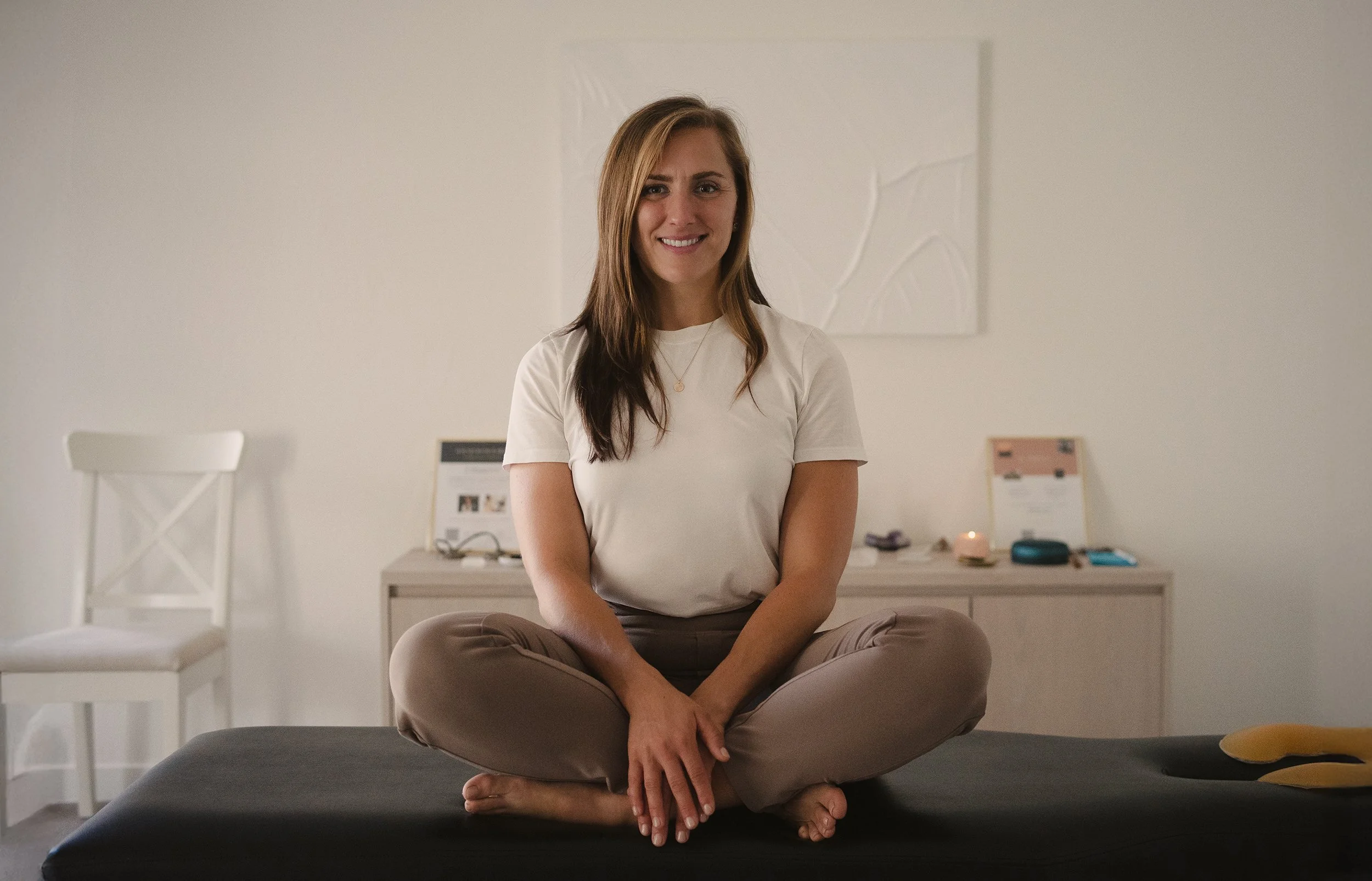
About Dr. Alandi Stec
Dr. Alandi is a Doctor of Chiropractic specializing in gentle, nervous system-centered care. Through Life Force Chiropractic in Pleasant Hill and San Francisco, she helps people restore their body's natural capacity for regulation and healing. She also guides Yoga Nidra sessions and creates online courses for nervous system support.