
Why Your Good Habits Won't Stick. The Nervous System Science.

The clarity of January is fading.
The practices you committed to feel harder to maintain. The morning routine you started with enthusiasm now feels like a chore. The energy you had for change is slipping away.
You think it's a willpower problem. You beat yourself up for not being disciplined enough.
But what if your nervous system is doing exactly what it's designed to do?
What if the problem isn't your commitment, it's that you're asking your body to change without giving it the safety to do so?
When Good Intentions Meet Reality
You meant it when you said this time would be different.
The meditation app is downloaded. The journal sits on your nightstand. You blocked time in your calendar for the practices that were going to transform everything.
And for a while, it worked. You felt the momentum. You could see the person you were becoming.
Then something shifted. The alarm goes off, and you hit snooze. The evening practice gets skipped because you're too tired. One day becomes two, then a week. Before you know it, you're back where you started, carrying the added weight of feeling like you failed. Again.
This isn't your first time here. You've started and stopped so many times you've lost count. Each attempt makes the next one harder because now you're carrying the story that you're someone who can't follow through. Someone who lacks discipline. Someone who says they want change but can't make it happen.
The shame compounds. You wonder what's wrong with you that everyone else seems capable of changing while you're stuck in the same cycles.
But here's what's actually happening: your nervous system is protecting you from what it perceives as a threat. And until you understand this, no amount of willpower will make new habits stick.
Why Willpower-Based Change Fails
We've been taught that change is a matter of discipline. That if you want something badly enough, you'll find a way. That consistency is simply a choice you make every day.
This framework sets you up to fail.
Willpower is a limited resource. It depletes throughout the day as you navigate stress, make decisions, and regulate your emotions. By the time evening comes, when you planned to do your breathwork or stretching or journaling, your willpower tank is empty.
And when you try to push through anyway? When you force yourself to maintain practices that your body doesn't feel safe with? You're adding more stress to an already taxed system.
The irony is brutal. The practices meant to help you regulate your nervous system become another thing you're failing at. Another source of activation. Another reminder that you can't seem to do what's "good for you."
The truth is, behavioral change without nervous system change is like trying to grow a garden in concrete. You can plant the seeds. You can water them diligently. But without the right foundation, nothing will take root.
Your body isn't resisting change because you lack discipline. It's resisting because change, even positive change, requires nervous system capacity you might not have built yet.
The Nervous System's Role in Sustained Change
Your nervous system has one primary job: keep you alive.
To do this well, it relies on patterns. Familiar routines, predictable responses, known behaviors. These patterns create a sense of safety because your body knows what to expect. Even if these patterns aren't serving you, they're known. And to your nervous system, known equals safe.
When you try to introduce something new, even something objectively beneficial like a morning meditation practice, your nervous system registers it as unfamiliar. Unfamiliar means unpredictable. Unpredictable means potentially dangerous.
This is why you can intellectually know that a new habit is good for you and still feel resistance in your body when it's time to do it. Your thinking brain says "This will help me feel better." Your nervous system says "We don't know this pattern. It's not safe yet."
The resistance you feel isn't a character flaw. It's your body doing exactly what it's designed to do: protecting the status quo until it can assess whether this new pattern is truly safe to integrate.
Sustainable change requires something most change frameworks completely miss: nervous system buy-in. Your body needs to feel safe enough with the new pattern before it will allow that pattern to become automatic.
This is why change happens in your window of tolerance. When you're dysregulated, stressed, or activated, your nervous system narrows its focus to survival. There's no bandwidth for learning new patterns. But when you're regulated, when your body feels safe, your window expands. This is when new behaviors can actually integrate.
The question isn't "How do I force myself to be more consistent?"
The question is "How do I help my nervous system feel safe enough to allow this change?"
How Your Body Resists Unfamiliar Patterns
Let's get specific about what's happening in your body when you try to change.
Your brain builds neural pathways through repetition. The habits you've been doing for years, even the ones you want to change, have deep grooves. These pathways are efficient. They require minimal energy and conscious thought. Your brain loves efficiency.
When you try to create a new pattern, you're asking your brain to forge a new pathway. This takes significantly more energy. It requires conscious attention. It feels effortful because it is effortful.
But here's where the nervous system layer complicates things: if you're trying to create this new pathway while your body is in a stressed state, your system has even less energy available for this work. Your sympathetic nervous system, responsible for your stress response, is prioritizing immediate survival over long-term pattern building.
This is why change feels impossibly hard when you're already depleted. Your body is literally conserving resources for what it perceives as more pressing needs.
When you're operating from a dysregulated state, trying to maintain new habits, you're essentially asking your body to build a house during an earthquake. The foundation keeps shifting. Nothing can solidify.
But there's another layer. Your body also stores memory of past failed attempts at change. Each time you've started and stopped, your nervous system logged that information. Now, when you try to start again, your body is already anticipating the drop-off. It's protecting you from the disappointment it expects is coming.
This isn't conscious. You don't wake up thinking "I'm going to self-sabotage today." Your nervous system is running patterns below your awareness, based on historical data about what's safe and what leads to pain.
The difference between white-knuckling through change and embodied change is the difference between forcing and allowing. When you white-knuckle, you're using conscious effort to override your body's signals. This works for a while, until your willpower depletes or your nervous system wins.
Embodied change happens when your nervous system comes on board with the new pattern. When your body experiences the benefits of the change and begins to recognize it as safe. When the new behavior starts to feel like care instead of coercion.
This is why consistency matters more than intensity. Small practices, repeated daily, give your nervous system multiple data points that this new pattern is safe. Your body needs repetition to build trust. It needs to experience over and over that this new thing doesn't hurt, doesn't deplete, doesn't lead to abandonment or failure.
One intense week of perfect habits followed by burnout teaches your nervous system that change leads to collapse. But ten minutes a day for thirty days, even imperfectly, teaches your body that this new pattern can fit into your life without breaking you.
Your nervous system learns through experience, not through intention. You can intend to change all you want, but until your body experiences enough instances of safety with the new pattern, it will keep pulling you back to what's familiar.



Making Change Your Nervous System Can Actually Sustain
So how do you work with your nervous system instead of against it?
First, you build capacity before you add complexity. If you're dysregulated, depleted, or running on empty, this isn't the time to overhaul your entire life. This is the time to establish basic nervous system support.
One of the simplest and most effective practices for building this foundation is breathwork. Not elaborate breathing techniques that require you to count complicated patterns, but accessible practices that signal safety to your vagus nerve.
The Holding Breath is one of these practices. Here's how it works:
1. Start by finding a comfortable position, seated or lying down. Place one hand on your chest and one on your belly if that feels supportive.
2. Breathe in through your nose for a count of four. Let your belly expand with the inhale.
3. Hold the breath at the top for a count of four. This isn't a tense holding, just a gentle pause.
4. Exhale through your mouth with an audible sigh for a count of six. Let the exhale be complete, emptying your lungs naturally.
5. Pause at the bottom of the exhale. Don't force it, just notice the natural rest before your next inhale wants to come.
Repeat this cycle three times. That's it. Less than two minutes.
This practice works because of what's happening in your vagus nerve, the main highway of your parasympathetic nervous system. The extended exhale with the audible sigh activates your vagal tone, signaling to your body that you're safe enough to rest. The pause at the bottom gives your system time to register that safety.
When you do this practice regularly, particularly during moments of activation, you're teaching your nervous system that it has tools to return to regulation. You're building capacity.
Use this practice before difficult conversations, when you notice overwhelm building, when you feel yourself bracing against what's coming. These are the moments your body needs the signal that it's safe to soften.
Over time, as your nervous system experiences more regulated states, it becomes easier to maintain other practices. This is the foundation that makes everything else possible.
Before you add a new habit, ask yourself: "Do I have the nervous system capacity for this right now?" If you're barely keeping your head above water, adding more isn't the answer. Supporting your regulation is.
When you do feel ready to add something new, start smaller than feels significant. If you want to meditate, start with three minutes instead of twenty. If you want to journal, start with three sentences. Your nervous system needs wins. It needs to experience completion, not another abandoned attempt.
Make the new practice something that feels nourishing, not depleting. If your morning routine makes you feel rushed and stressed, it's activating your system, not regulating it. Find the version of the practice that your body actually wants to return to.
And expect imperfection. You'll miss days. You'll forget. You'll lose momentum. This is normal. This is part of how your nervous system learns. Each time you return to the practice without shame, without the story that you've failed, you're teaching your body that this pattern is safe even when it's not perfect.
The relationship between regulation and sustainable change is direct: the more regulated your nervous system, the more capacity you have for new patterns. And the more you practice in ways that support your nervous system, the more regulated you become. It's a positive feedback loop, but it requires patience with the process.
What Sustainable Change Actually Feels Like
When change is sustainable, it doesn't feel like force.
You wake up and the practice is just something you do, like brushing your teeth. Not because you're white-knuckling your way through it, but because your body has integrated it as part of your rhythm.
There's still effort some days. But it's the effort of showing up, not the effort of battling yourself to begin.
You notice you feel different when you skip the practice. Not guilty. Not like you've failed. Just… you feel the absence of something your body has come to rely on. This is your nervous system telling you the new pattern is now part of your baseline.
Sustainable change feels like care that fits. Like something your body actually wants, not something you're imposing on yourself. The practice starts to feel like a return to yourself rather than another obligation to meet.
This doesn't happen overnight. Your nervous system needs time to trust that this new pattern isn't going anywhere. That you're not going to abandon it the moment things get hard.
But when it does integrate, when the change becomes part of your embodied life, you'll notice something shift. The mental load decreases. The practice stops living on your to-do list and starts living in your body.
This is what we're aiming for. Not perfection. Not rigid adherence to someone else's idea of what your habits should look like. But practices that your nervous system recognizes as safe, supportive, and sustainable.
When You Need Support Beyond Solo Practice
Sometimes the patterns are too deep to shift alone.
If you've been trying to make changes for months or years without success, your nervous system might need more support than self-guided practices can provide. There's no shame in this. Some nervous system patterns were built over decades. They require time and support to rewire.
Structured programs provide the consistency your body needs to build new neural pathways. When you know exactly what practice to do each day, you're removing the decision fatigue that often derails change. Your nervous system can focus on the practice itself, not on figuring out what to do.
Daily guided support creates repetition your body can trust. Instead of sporadic attempts when you remember, you're building a rhythm your nervous system can anticipate and rely on. This predictability is itself regulating.
Professional support can also help identify what's blocking change. Sometimes what looks like a motivation problem is actually a capacity problem. Sometimes what feels like resistance is actually protection. A trained practitioner can help you see what you can't see from inside your own patterns.
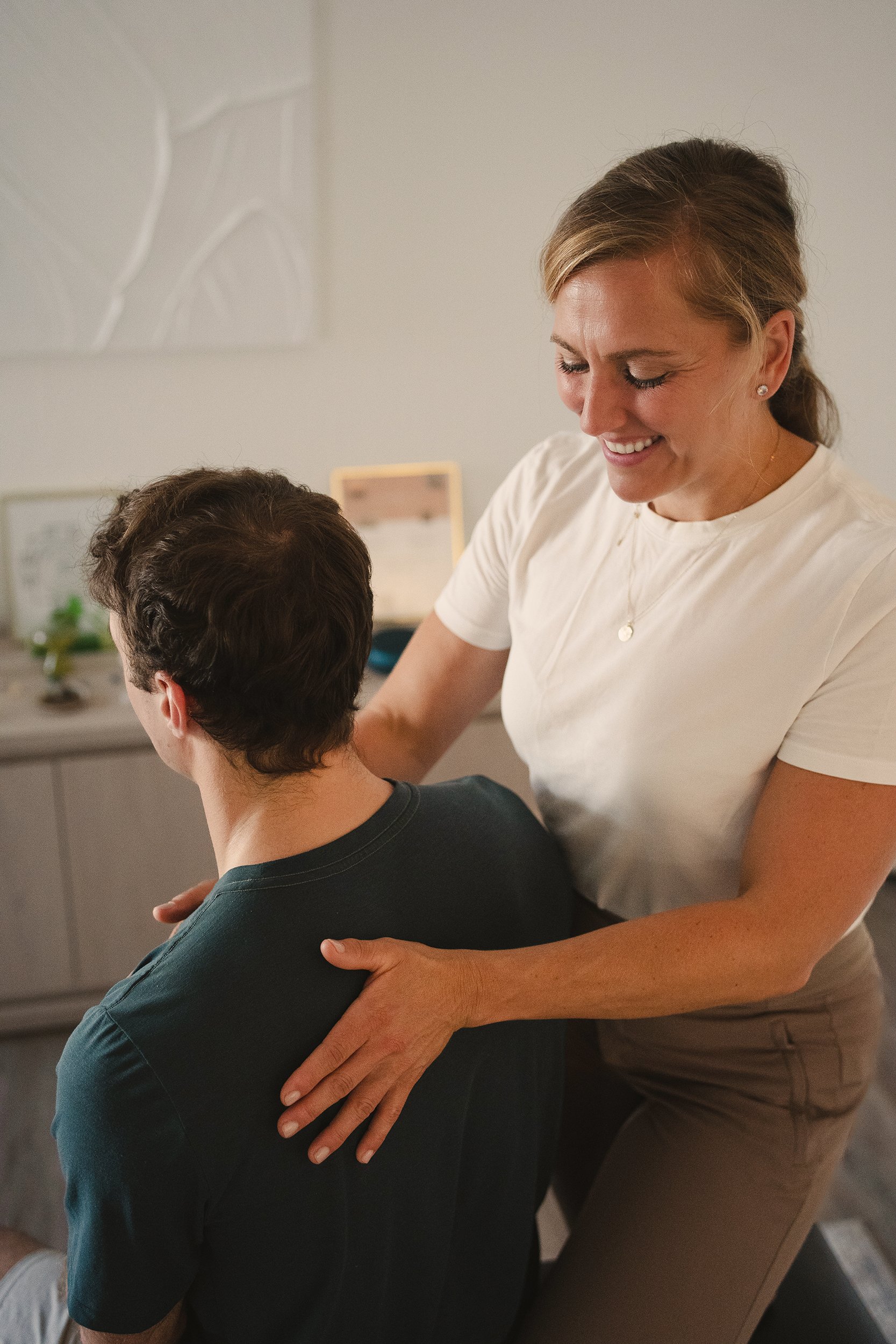
For those in the Pleasant Hill area, nervous system-centered chiropractic care addresses the structural component of regulation. When your body is holding tension or misalignment, it takes energy just to maintain that pattern. Releasing physical restrictions creates more capacity for the nervous system changes you're trying to make.
The decision to seek support isn't an admission of failure. It's a recognition that some changes require more than willpower. They require nervous system recalibration, and that work is often most effective with guidance.

Ready to Build the Foundation for Change That Lasts?
If you're tired of the start-stop cycle, it's time to approach change differently.
For structured daily support:
The 12 Days of Nervous System Regulation provides guided practices that build nervous system capacity. Each day includes a specific practice designed to help your body feel safe enough to sustain change. This is the foundation that makes everything else possible.
What you'll receive:
• 12 days of guided nervous system practices
• Practices you can return to whenever you need to rebuild capacity
• Tools that fit into your actual life, not an idealized version of it
• Support for creating sustainable change, not another thing to fail at
For local nervous system support:
If you're in Pleasant Hill, California or the surrounding Bay Area, our chiropractic care addresses the physical patterns that can block your capacity for change. When your body releases structural tension, your nervous system has more resources available for the changes you want to make.
Change doesn't have to be this hard. When you work with your nervous system instead of against it, new patterns can integrate naturally. You deserve change that feels like care, not coercion.
Frequently Asked Questions
Why do I keep failing at new habits?
You're not failing. Your nervous system is protecting familiar patterns because they feel safe, even if they're not serving you. Sustainable change requires building nervous system capacity first, then introducing new behaviors. Start with regulation practices before trying to overhaul your habits. When your body feels safe, change becomes easier.
How long does it take for changes to feel natural?
It varies based on your nervous system state and the complexity of the change, but most people notice shifts within 2-4 weeks of consistent practice. The key is consistency over intensity. Small daily practices build more integration than sporadic intense efforts. Your nervous system needs repetition to trust that a new pattern is safe enough to become automatic.
Should I work on my nervous system before trying to change behaviors?
If you're dysregulated, depleted, or have tried to change multiple times without success, yes. Building nervous system capacity creates the foundation for sustainable change. Think of it as preparing the soil before planting seeds. Practices like the Holding Breath, daily regulation work, and professional support can build this capacity so behavioral changes actually stick.
Can chiropractic help with habit formation?
When your body is holding structural tension or misalignment, it requires energy to maintain those patterns. This depletes the resources available for creating new habits. Gentle, nervous system-centered chiropractic care can release physical restrictions, freeing up capacity. Many patients notice they have more bandwidth for change once their body releases chronic holding patterns.
What if I've failed at change so many times I've lost hope?
The fact that you're still asking this question means you haven't lost hope. You're exhausted by approaches that don't work. Past attempts that didn't stick weren't failures, they were data points showing you that willpower-based change doesn't address the nervous system level. When you work with your body's protective patterns instead of against them, change becomes possible again. Start smaller than you think necessary and build from there.
About Dr. Alandi Stec
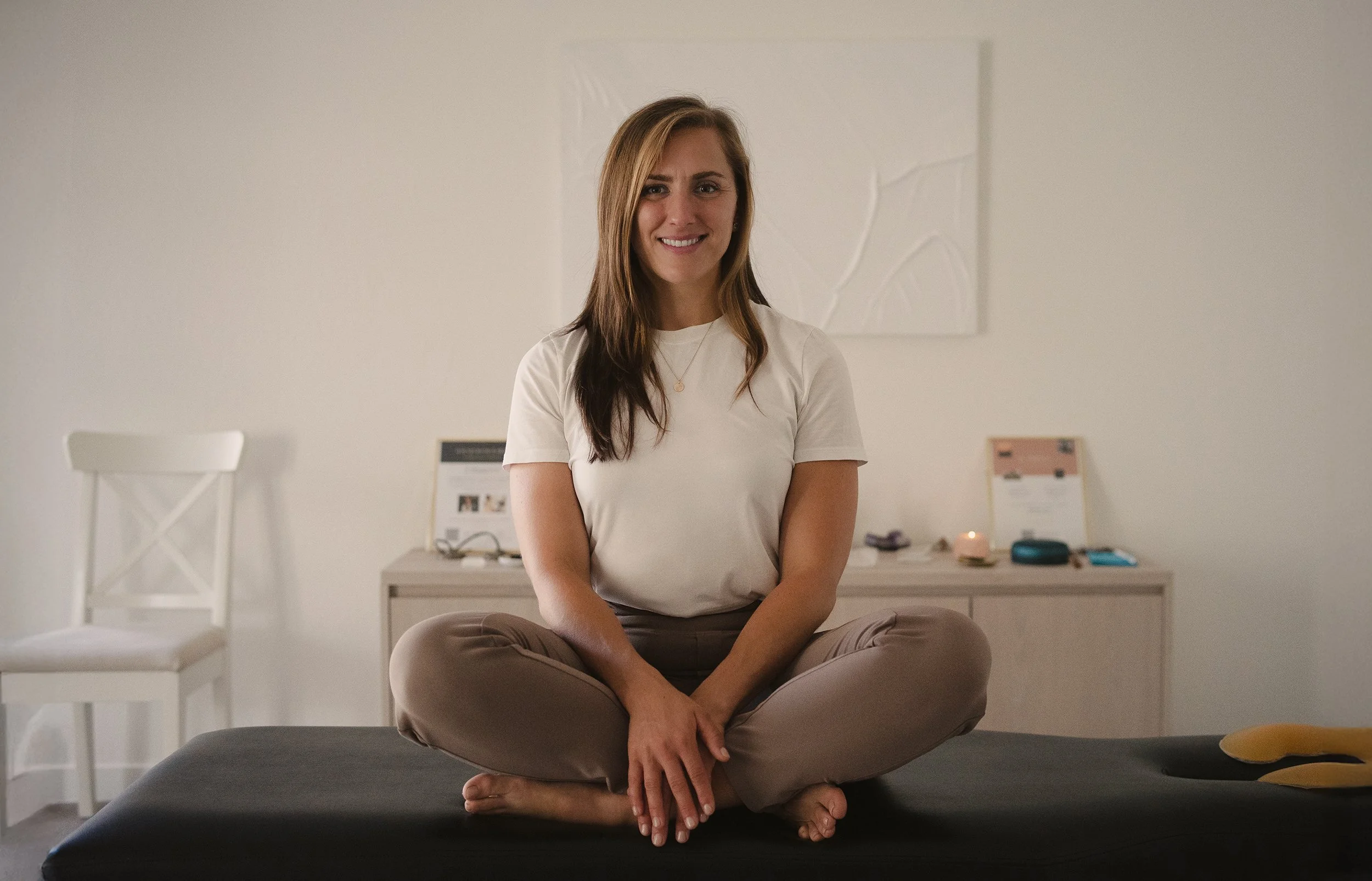
Dr. Alandi is a Doctor of Chiropractic specializing in nervous system regulation through Bio-Geometric Integration. She offers gentle, nervous system-centered chiropractic care in Pleasant Hill, California, and creates online courses that make regulation practices accessible. Her approach integrates chiropractic, craniosacral therapy, and Reiki to support the body's natural capacity for healing and change.