
Sciatica From Sitting: Why Your Desk Job May Be Contributing
Sciatica is not actually a diagnosis.
It's a description of a symptom pattern that follows the path of the sciatic nerve, the largest nerve in the body.
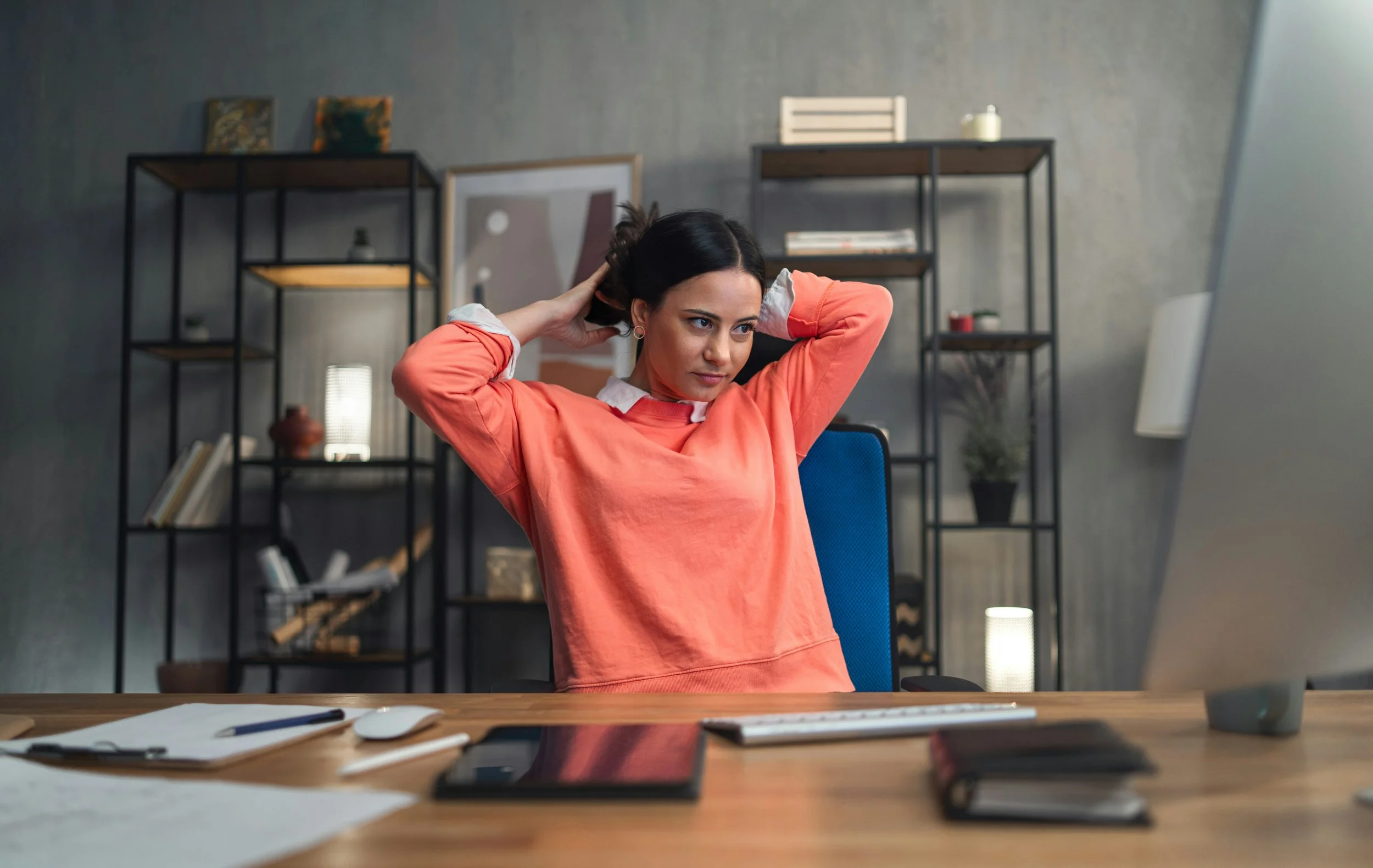
For many people, that pattern seems to come out of nowhere. At first it's a little tightness in the glute. Then a strange pulling sensation down the back of the leg. Maybe a dull ache that travels into the hamstring after a long day of sitting. For others it's more intense: tingling, numbness, burning, or sharp pain that moves from the low back into the leg and sometimes all the way into the foot.
The symptoms often become most noticeable when standing up after sitting for a while.
The first few steps feel stiff. The hips don't move freely. The back feels compressed. The leg feels tight despite stretching.
For many people working in tech, these symptoms get blamed on getting older, having a weak core, or simply spending too much time at a desk. The reality is more nuanced. While prolonged sitting doesn't directly cause every case of sciatica, it can create many of the conditions that make sciatic pain more likely to develop and more difficult to resolve.
Understanding Sciatica
The sciatic nerve originates from the lower spine, travels through the pelvis and gluteal region, and continues down the back of the leg into the foot. When this nerve becomes irritated, compressed, or tensioned, symptoms can appear anywhere along that pathway.
Some people experience pain in the glute. Others feel it in the hamstring. Some notice tingling in the calf or foot. Others describe numbness, burning, or electrical sensations. What all of these experiences have in common is that they follow the pathway of the sciatic nerve. The important thing to understand is that where you feel the symptom isn't always where the pattern begins.
What Sitting Does to the Pelvis
The pelvis is designed to move. Every step you take creates subtle movement through the pelvis, sacrum, hips, and spine, and these structures work together to distribute force and create efficient movement.
When sitting becomes the dominant position for much of the day, that movement decreases dramatically. The hips stay flexed for hours. The pelvis becomes less mobile. The muscles around the hips and lower spine adapt to a more static environment. Over time, the body starts organizing itself around sitting rather than movement.
This doesn't necessarily create symptoms immediately. The body is remarkably adaptable. But eventually the system can lose some of its natural capacity to move and respond. Areas designed to share workload become restricted, while other areas compensate. This is often where sciatic patterns start becoming more likely.
The Hidden Role of the Psoas
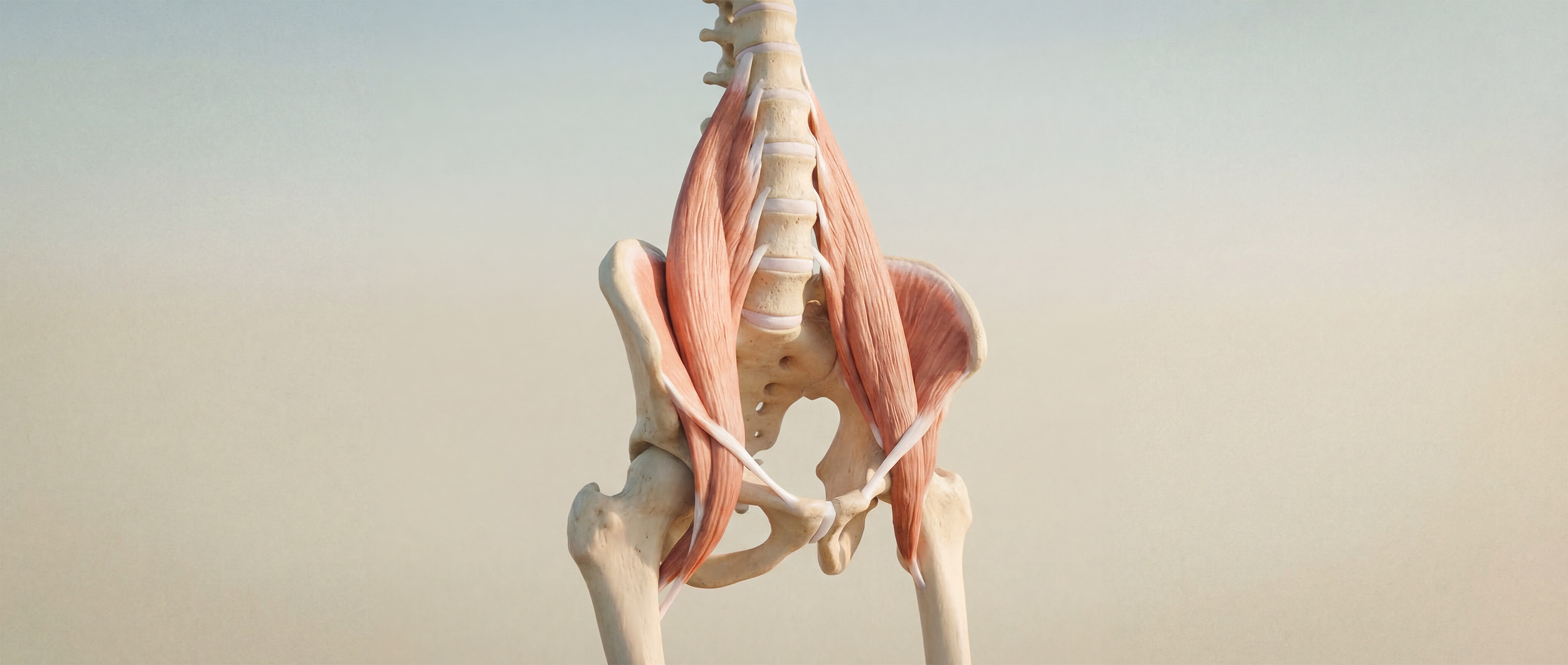
One of the most important muscles in desk-job-related sciatica is the psoas, which connects the lumbar spine to the inside of the thigh and plays a significant role in posture, stability, and movement. Because it stays shortened while sitting, it's one of the muscles most affected by prolonged desk work. (For a deeper look at the psoas and sitting, see [Why Sitting Is Making Your Hips Tight].)
Over time, the psoas can influence the mechanics of both the pelvis and lower back. The lumbar spine may experience increased compression. The pelvis may become less mobile. Movement through the hips can become restricted. The result is often a body that feels stiff, compressed, and less able to distribute forces efficiently.
Not everyone with a tight psoas develops sciatica. But many people with recurring sciatic symptoms show significant restrictions through this region. And because the psoas is closely linked to the nervous system, its tone often increases during stress, demand, or vigilance, which means the pattern is frequently influenced by more than sitting alone.
Why Tech Workers Often Experience Sciatic Symptoms
Many technology professionals spend their days in sustained focus. Hours pass with little movement. Meetings replace walking. Work that once required physical movement now happens almost entirely through a screen.
The body adapts. The hips become less mobile. The glutes contribute less. The pelvis loses some of its responsiveness. The low back absorbs more load. Over time, the body becomes highly efficient at sitting and often less efficient at transitioning back into movement.
This is why many people notice symptoms after they stand up. Sitting itself may not hurt. It's the transition out of sitting that reveals the pattern, because the body is being asked to move through ranges of motion it has spent much of the day avoiding.
Why Stretching Doesn't Always Solve Sciatica
When sciatic symptoms appear, many people immediately begin stretching. Sometimes it helps. Sometimes it doesn't.
The reason is that sciatica is rarely a problem of one muscle being too tight. More often, it's a pattern involving the relationship between the pelvis, hips, lumbar spine, connective tissues, and nervous system. Stretching may temporarily reduce tension in one area, but if the larger pattern remains unchanged, the body often recreates the same conditions that contributed to the symptoms in the first place. The symptom improves. The pattern remains.
The Nervous System's Role in Sciatica
Your nervous system regulates muscle tone throughout the body. It determines how much tension muscles hold, how much stability the body believes it needs, and how strongly certain areas respond to stress.
When the nervous system shifts into a more protective state, the muscles around the pelvis and lower back often increase their tone. The hips become tighter. The glutes become more guarded. The lower back becomes less mobile. This response isn't a mistake. The body is trying to create stability. The challenge is that long-term protection often creates the very restrictions that contribute to discomfort. For many people, the sciatic nerve isn't simply responding to structure. It's responding to a larger pattern of tension and organization throughout the body.
How I Work With Sciatic Patterns
Many people arrive expecting treatment to focus directly on where symptoms are felt. Sometimes it does. More often, sciatica is part of a larger conversation.
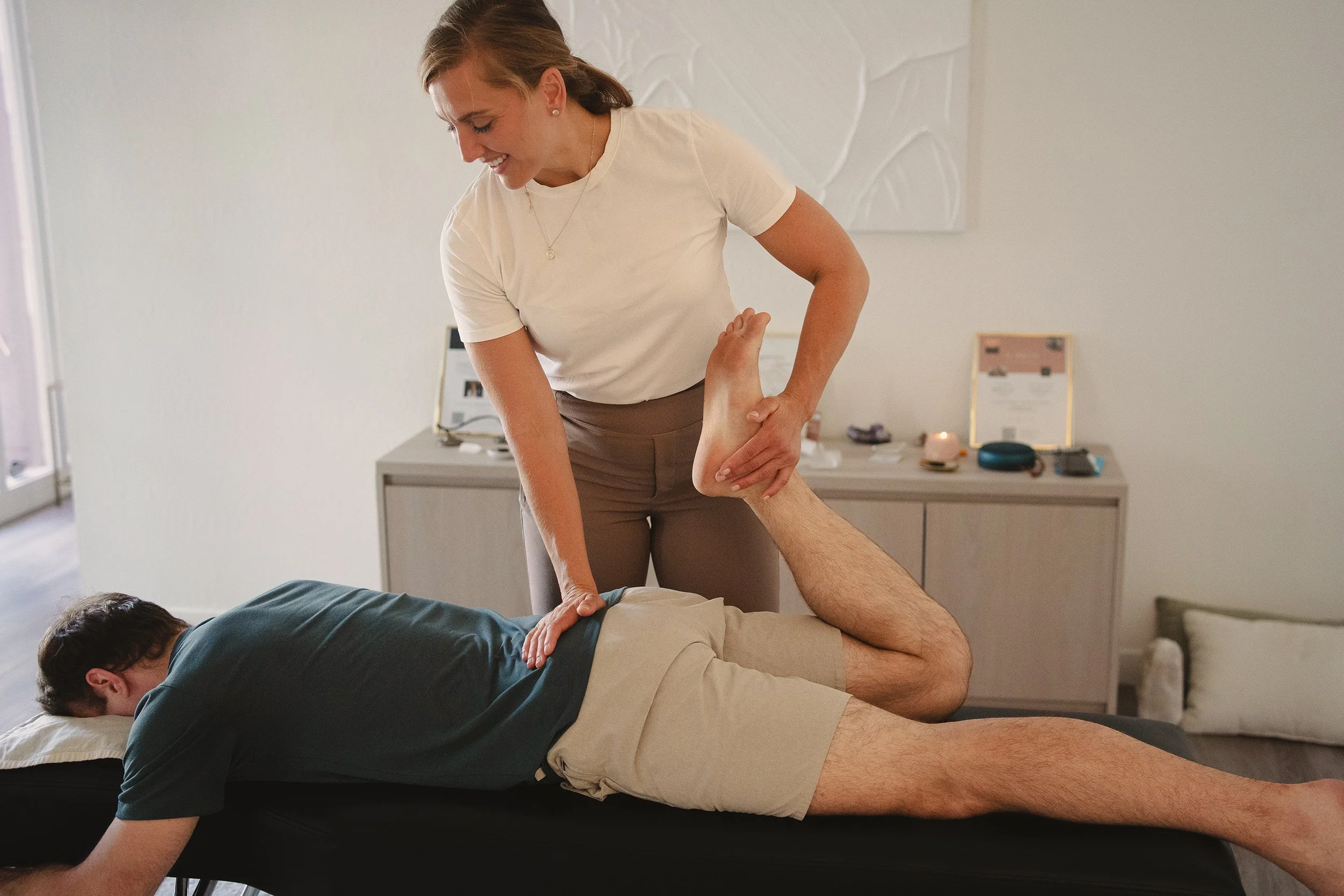
My work is informed by Bio-Geometric Integration (BGI), which views the body as an interconnected system. When someone comes in with sciatic pain, I'm interested in more than where the symptoms show up. How is the pelvis moving? What's happening through the sacrum? How is the breath moving? What's happening through the hips and lumbar spine?
Sessions are gentle and performed fully clothed, using a combination of Bio-Geometric Integration, craniosacral therapy, soft tissue work, gentle chiropractic care, and Reiki. Often the work begins somewhere other than where symptoms are felt: a breathing pattern influencing pelvic tension, a diaphragm restriction affecting the psoas, a compensatory pattern through the spine changing how force is distributed through the pelvis.
As the larger system unwinds, many people notice changes beyond symptom relief. Walking becomes easier. The pelvis feels more mobile. The lower back feels less compressed. The goal isn't simply reducing pain. It's helping the body regain options it has lost.
Practices That Can Help Between Sessions
If sciatic symptoms have become part of your life, movement throughout the day is one of the most important things you can do. The body tolerates sitting far better when sitting is regularly interrupted, so standing, walking, and changing positions help maintain movement through the hips, pelvis, and spine. Walking is particularly valuable because it encourages natural motion through the entire posterior chain without excessive strain.
Constructive rest can also help: lying on your back with your knees bent and feet on the floor often allows the lower back, pelvis, and psoas an opportunity to soften. Breathing into the lower rib cage and abdomen helps restore movement through the diaphragm and trunk while reducing unnecessary tension. Most importantly, lasting change usually comes from addressing the larger pattern rather than chasing symptoms from one location to another.
A Closing Invitation
If your sciatica seems to worsen after long periods of sitting, there's a good chance the story involves more than the nerve itself. The symptoms may reflect years of prolonged sitting, reduced hip mobility, altered breathing mechanics, compensation patterns, accumulated stress, and nervous system adaptation.
The good news is that these patterns can change. With the right support, the body can begin organizing around something different.
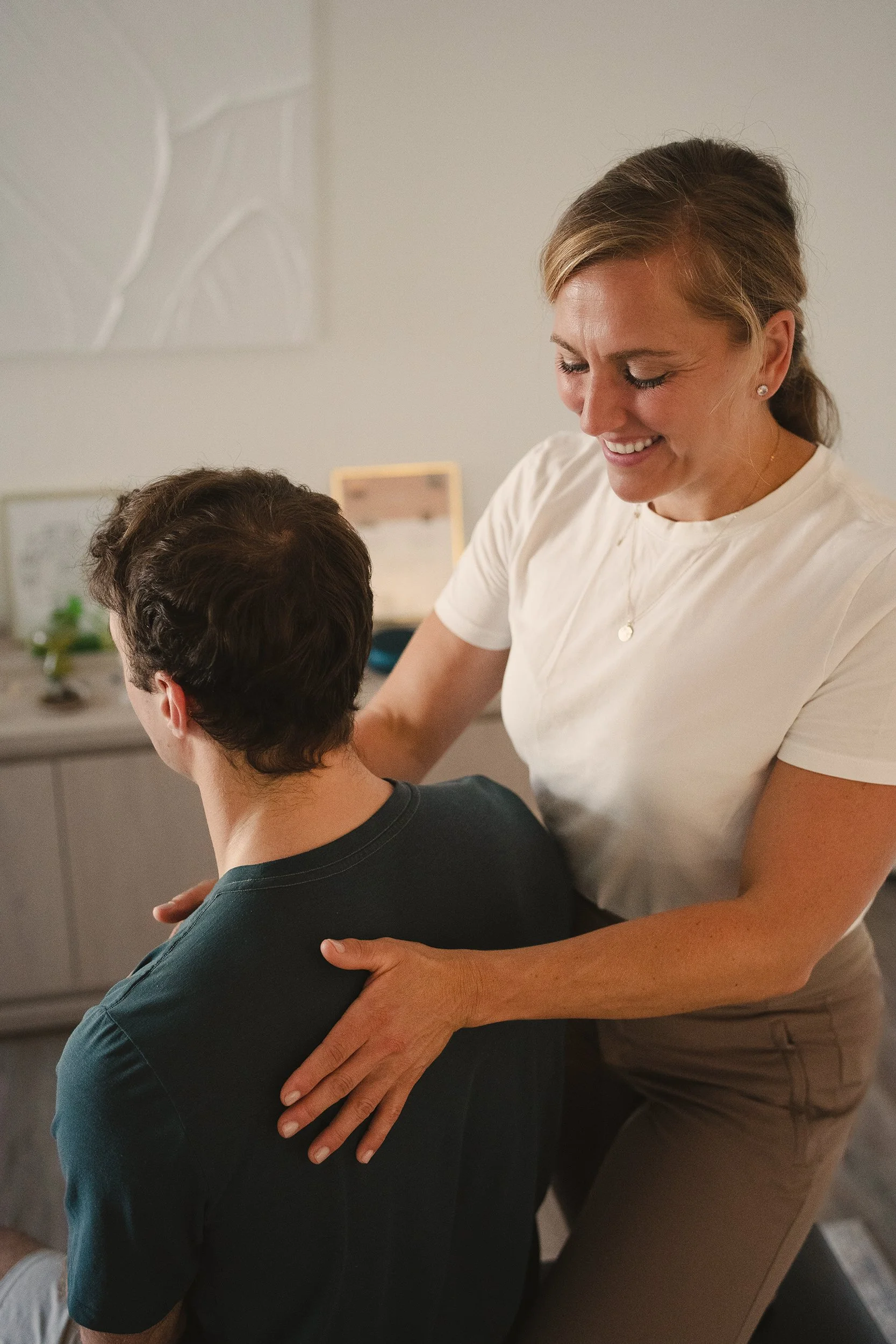
If you're in Pleasant Hill, Walnut Creek, or elsewhere in the East Bay or San Francisco and you're looking for a different approach to sciatica, you're welcome to schedule a session.
If you're outside the area, 12 Days of Nervous System Regulation offers daily guided practices to help your body settle out of a chronically protective state.
Frequently Asked Questions
Can sitting all day cause sciatica?
Prolonged sitting can contribute to many of the patterns associated with sciatic symptoms, including reduced hip mobility, pelvic restrictions, and increased tension throughout the lower back and hips.
Why does my sciatica feel worse when I stand up?
Many people notice symptoms during transitions because the body is moving out of a position it has maintained for a long time. Restricted tissues and movement patterns often become more noticeable during these moments.
Is walking good for sciatica?
In many cases, yes. Walking encourages natural movement through the hips, pelvis, and spine and is often one of the most supportive activities for people experiencing sciatic symptoms.
Can stress make sciatica worse?
Stress can influence nervous system tone and muscle tension throughout the body. Many people notice sciatic symptoms increasing during periods of heightened demand or prolonged stress.
Can chiropractic help sciatica?
A whole-body approach can help address the movement restrictions, compensation patterns, and nervous system factors that often contribute to recurring sciatic symptoms.
About Dr. Alandi Stec
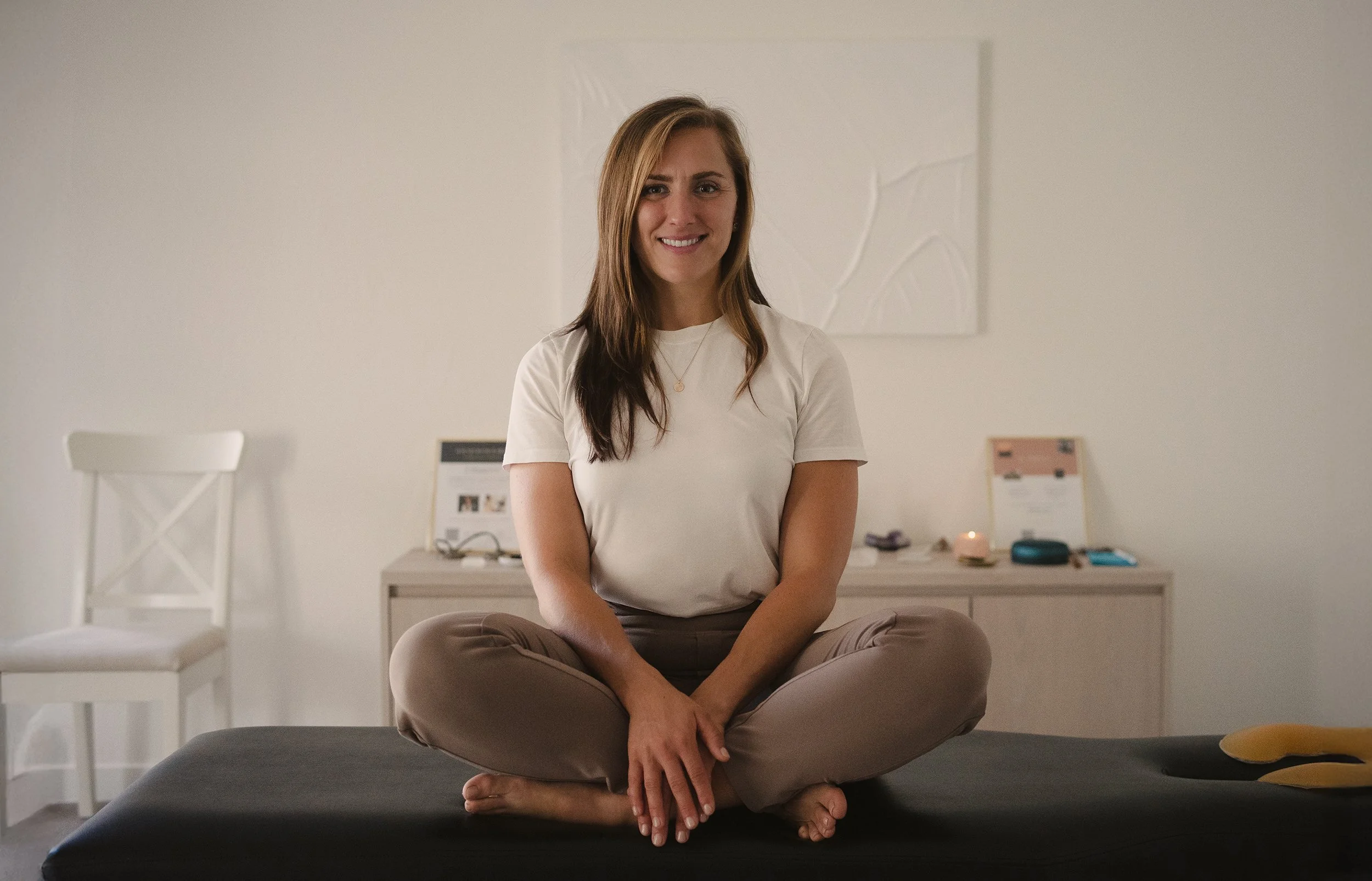
Dr. Alandi Stec is a Doctor of Chiropractic and Reiki Master specializing in nervous system-centered healing approaches. She serves the Pleasant Hill and Bay Area athletic community through Life Force Chiropractic, combining Bio-Geometric Integration with craniosacral work and somatic practices to support athletes in discovering their body's innate capacity for optimal performance and resilience.
A FREE PRACTICE TO TAKE WITH YOU
Find Your Way Back to Center
A free guided meditation for settling the body and quieting the mind.
This 20-minute guided meditation offers a simple space to slow down, soften your attention, and reconnect with yourself. Return to it whenever life feels full, your mind feels busy, or you simply need a moment to pause.
Recorded by Dr. Alandi Stec and delivered to your inbox when you join the newsletter.