
The September Reset: Why Fall Is Your Nervous System's Natural Transition

January gets the resolutions. September gets the actual change.
For all the fanfare around the calendar new year, most of us feel the real shift in early fall. The light changes. Mornings cool. Schedules that loosened over the summer tighten back into shape. There's a collective turn toward focus and routine that you can feel in the rhythm of your own days, even long after your last first day of school. Something in us still treats this as the true beginning of the year.
That instinct is worth trusting, and not only for sentimental reasons. From the perspective of your nervous system, a transition like this is a genuine opportunity, one of the more useful moments all year for changing a pattern that's been stuck.
Why Transitions Are When Patterns Change
Your nervous system runs much of your life on prediction. It learns the shape of your days, what time you wake, how you sit and for how long, what pace to expect, and it builds patterns to meet them efficiently. Those patterns are deeply useful. They're also, most of the time, quite resistant to change, because the system has no reason to rebuild something that's working.
A seasonal transition changes that calculus. When routines shift, the nervous system has to update its predictions, and while it's updating, it's more open than usual to laying down something new. The old patterns aren't as locked in, because the context they were built for has changed. This is the quiet reason fresh starts genuinely feel more possible in a new season. It isn't only motivation. The system is briefly more changeable.
The catch is that the window works in both directions. Left to its own devices, the system will often just carry the old patterns into the new season, the same tension, the same held breath, the same overloaded baseline, and rebuild them in the new routine. What you practice during the transition is what gets laid down.
What the Body Is Doing in the Fall Turn
A transition asks real work of the body, even when it's welcome.
A nervous system that spent the summer organized around openness, movement, and looser structure is now being asked to organize around focus, schedule, and demand. That reorganization is genuine work, and it can show up as restless sleep, a return of old tension in familiar places, a few weeks of feeling slightly out of step with your own calendar, or a wave of fatigue as the body recalibrates. None of it means something is wrong. It means your body is changing seasons, which is exactly what it's supposed to do.
Because the body is already reorganizing, this is a particularly responsive time for support. It's easier to help a system lay down freer patterns while it's actively rebuilding than to change a pattern that's fully set.
How to Use the Window Well
The most valuable thing you can do in a transition is be a little intentional about what you practice, since the system is busy learning from whatever you repeat.
That might mean protecting a genuine wind-down at the end of the day as the schedule tightens, so the return to routine doesn't come at the cost of your evenings. It might mean building small daily experiences of settling into the new rhythm from the start, rather than waiting until you're depleted to address it. It might mean bringing more deliberate attention to how you're carrying the transition in your body, where you're bracing, where the breath has gone high, what's quietly tightening as the demands return.
For anyone who wants a structured way to meet this window, a defined period of daily practice is especially well-suited to a season of transition, because it gives the reorganizing system consistent experiences to build around. This is exactly what Attuning Into You, Dr. Alandi's 21-day guided journey, is designed for: three weeks of settling, listening, and attuning, timed to a season when the body is already open to change. (For the broader distinction between managing stress and genuinely recalibrating, see Nervous System Recalibration vs Stress Management.)
How I Work With Seasonal Transitions
I find early fall one of the most productive times of year for care, precisely because the body is already in motion.
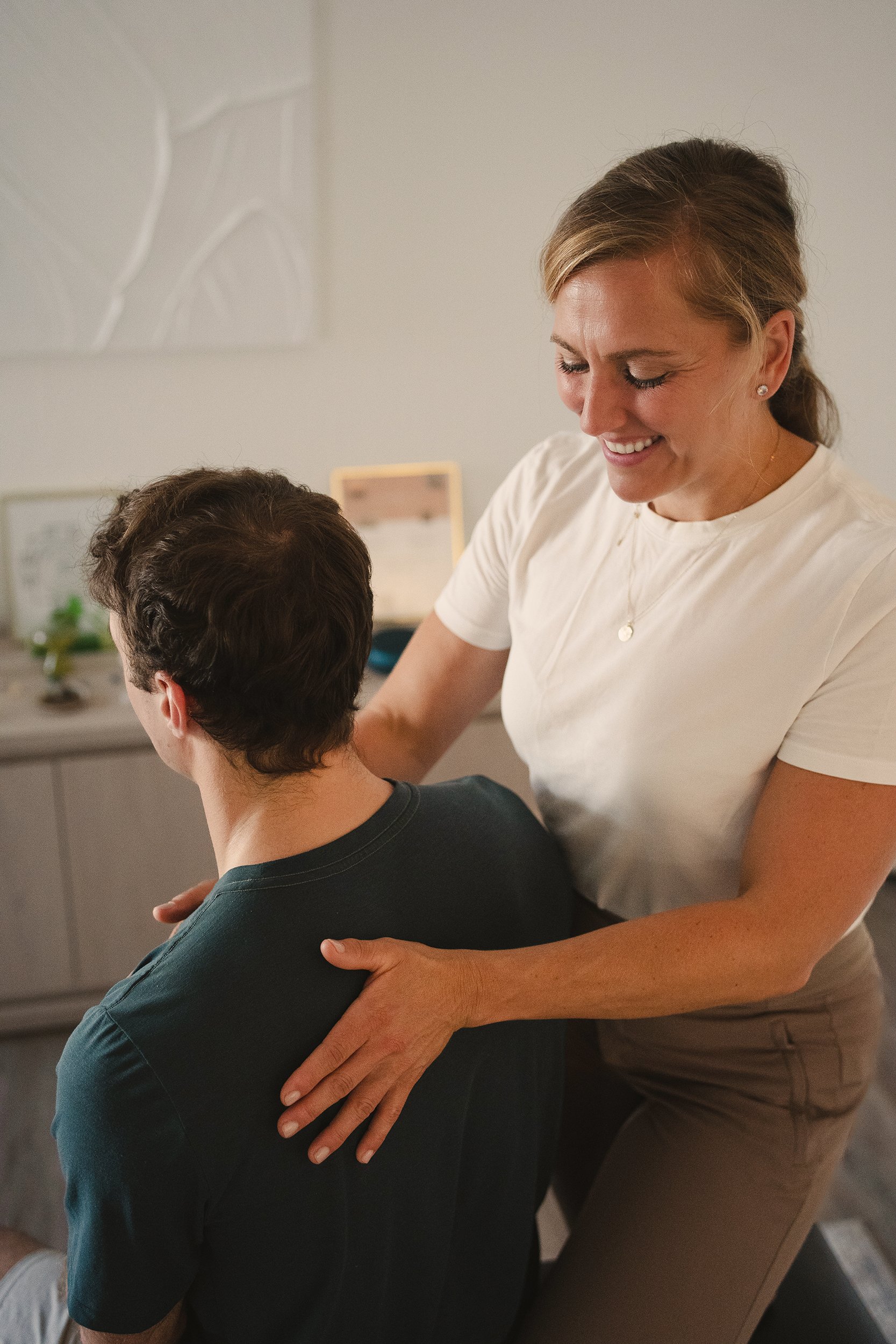
My work is informed by Bio-Geometric Integration (BGI), which treats the body as an interconnected system. In a transition, I'm working with what the summer left behind and what the fall is beginning to ask, where the ribs are ready to move differently, where the pelvis is renegotiating the return to sitting, where the neck and shoulders are meeting the return of desks and schedules. Sessions are gentle and performed fully clothed, using Bio-Geometric Integration, craniosacral therapy, soft tissue work, gentle chiropractic care, and Reiki.
The body is going to reorganize this season either way. Care is one way to have a say in what it organizes around, so that it practices ease rather than carrying the old holding forward.
Between Sessions
A few things help you meet the fall turn well. Ease into the new schedule rather than snapping to it overnight, giving your system a little runway. Protect your sleep as mornings cool and routines tighten, since the transition asks more of your recovery. Keep some summer movement, an outdoor walk, time in what daylight remains, so the shift toward structure doesn't erase the ease you built. And practice settling deliberately during these weeks, while the system is most open to learning it. You'll find short practices in the Nervous System Library.

A Closing Invitation
You don't need a new self for a new season. You only need to arrive in the one you have a little more fully, and to be intentional about what you practice while your body is open to change.
The fall transition is a real window. It tends to close as the new routine sets, so it's worth using while it's here.
If you're in Pleasant Hill, Walnut Creek, or elsewhere in the East Bay or San Francisco and you'd like support meeting the season's turn, you're welcome to schedule a session.
If you'd like a structured way to use this window, Attuning Into You is a 21-day guided journey designed to help you settle and reconnect, well-suited to a season when your body is already reorganizing.
Frequently Asked Questions
Why does fall feel like more of a fresh start than January?
Early fall brings a real shift in light, temperature, and routine that most people feel as the true beginning of the year. From the nervous system's perspective, this transition is a moment when patterns are more changeable, which is part of why fresh starts genuinely feel more possible in a new season.
Why are seasonal transitions a good time to change a habit?
Your nervous system builds patterns to meet the predictable shape of your days, and those patterns resist change when things are stable. During a transition, the system has to update its predictions, and while it's updating it's more open than usual to laying down something new.
Why do I feel off during the shift into fall?
Reorganizing from summer's looser structure to fall's focus and routine is genuine work for the body. It can show up as restless sleep, returning tension, fatigue, or feeling out of step with your schedule for a few weeks. This is normal recalibration, not a sign that something is wrong.
How can I make the most of the fall reset?
Be intentional about what you practice while your system is open to change: protect a real wind-down, build small daily experiences of settling into the new routine from the start, and pay attention to how you're carrying the transition in your body. A defined period of daily practice suits this window especially well.
Can chiropractic help with a seasonal transition?
Early fall is a particularly responsive time for care because the body is already reorganizing. A gentle, whole-body approach can help the system lay down freer patterns as it rebuilds, rather than carrying old tension forward into the new season.
About Dr. Alandi Stec
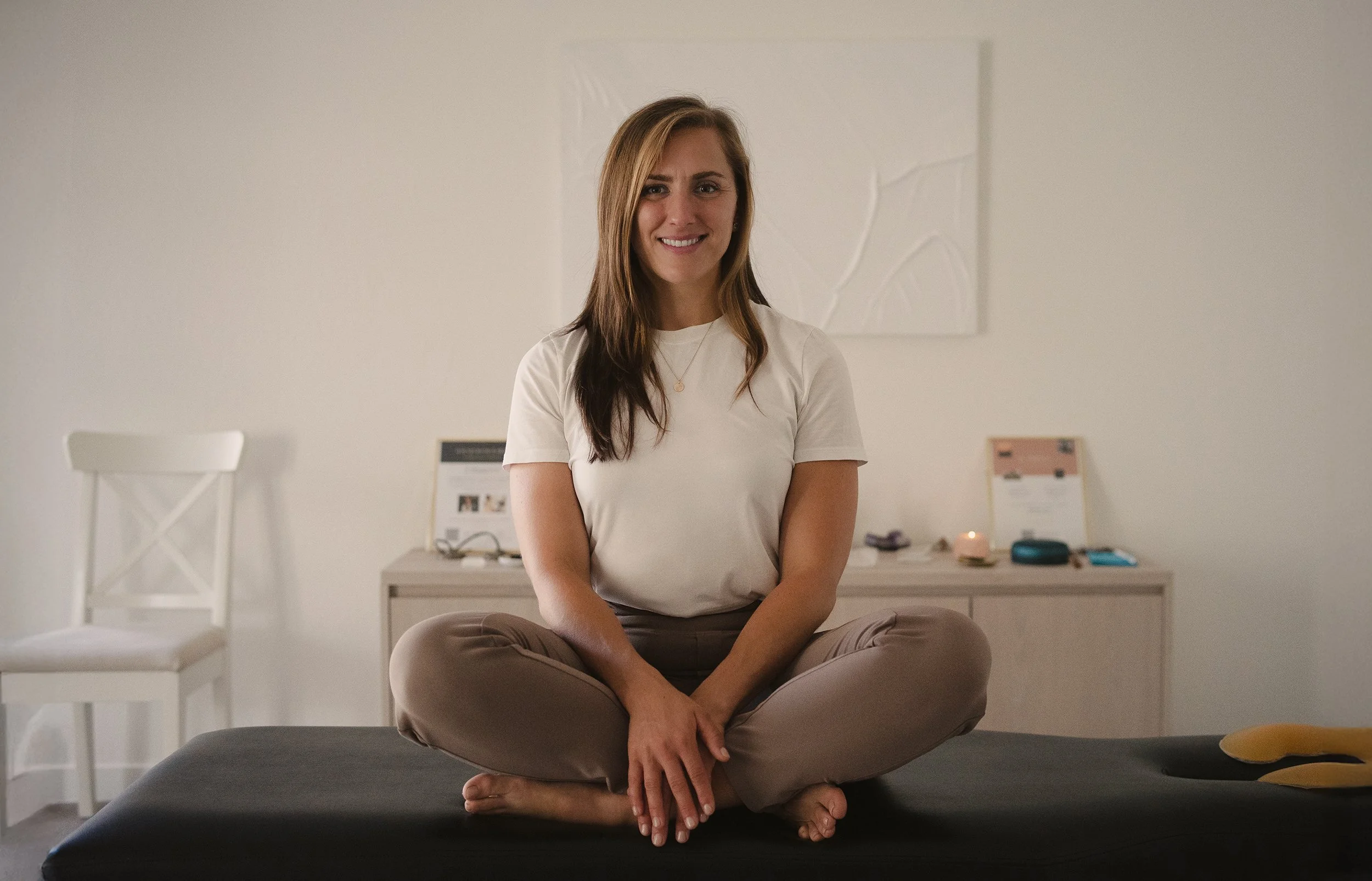
Dr. Alandi Stec is a Doctor of Chiropractic and Reiki Master specializing in nervous system-centered healing approaches. She serves the Pleasant Hill and Bay Area athletic community through Life Force Chiropractic, combining Bio-Geometric Integration with craniosacral work and somatic practices to support athletes in discovering their body's innate capacity for optimal performance and resilience.

A FREE PRACTICE TO TAKE WITH YOU
Find Your Way Back to Center
A free guided meditation for settling the body and quieting the mind.
This 20-minute guided meditation offers a simple space to slow down, soften your attention, and reconnect with yourself. Return to it whenever life feels full, your mind feels busy, or you simply need a moment to pause.
Recorded by Dr. Alandi Stec and delivered to your inbox when you join the newsletter.