
Expand the Feet, Rise the Body: Why Your Foundation Changes Everything
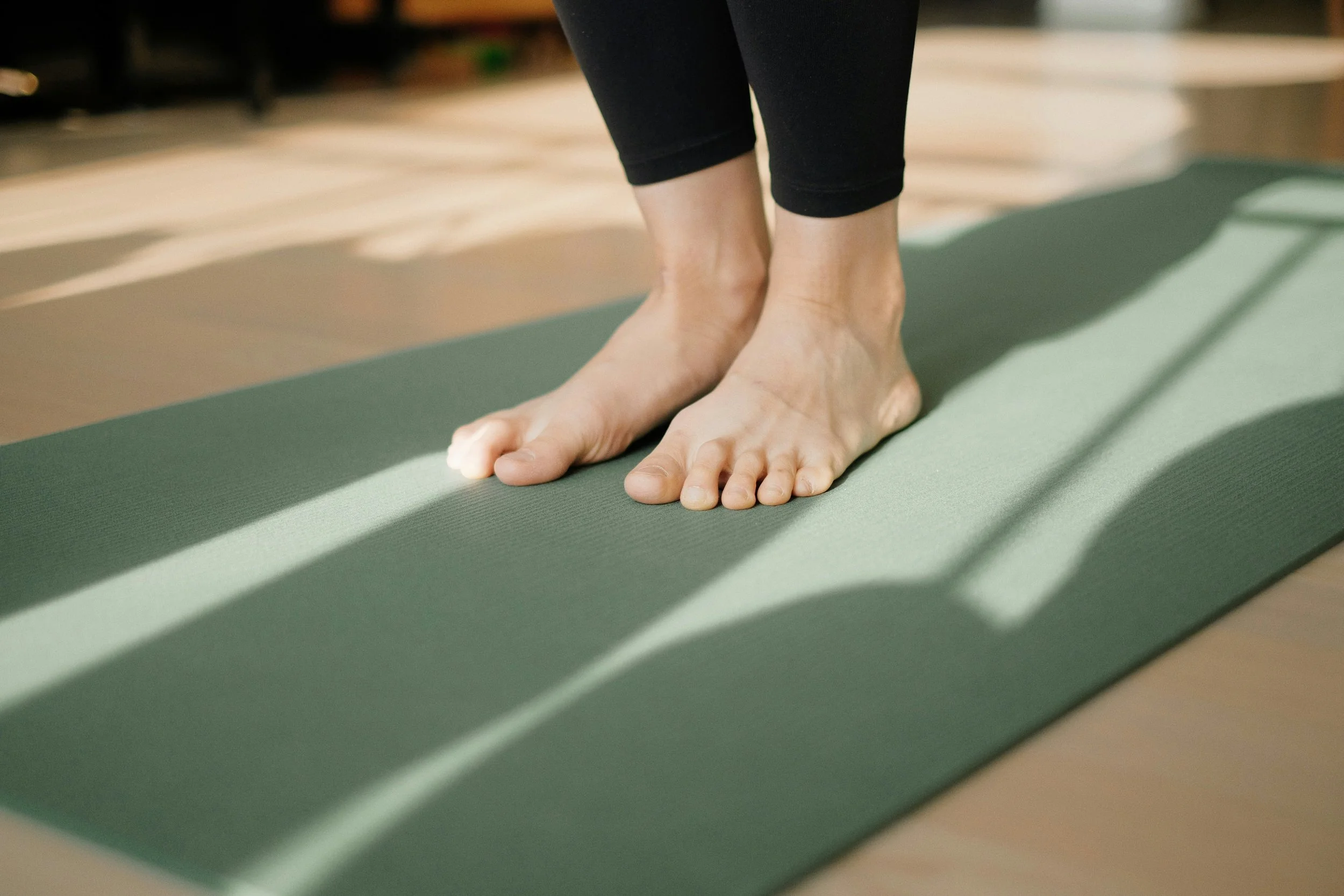
Why Your Calves Stay Tight (And What Your Feet Have to Do With It)
You've stretched your calves.
You've rolled the bottoms of your feet on a ball. Maybe you've pulled your toes back, worked on your ankle mobility, or tried to strengthen your arches.
And for a little while, things feel different.
Then you put your shoes back on. You stand at work, train, run, drive, and move through the same patterns you always do.
By evening, the tight calves are back.
Your ankles feel stiff. Your toes feel compressed. Your feet feel like they're doing a lot of work without actually moving very much.
We tend to think of the feet as one thing and the lower legs as another. Functionally, they're one system. When the calves won't stay released, the answer often lives in how that whole system moves together.
This post accompanies Expand the Feet, Rise the Body, the newest small-group class in the Movement & Mobility Series at Life Force Chiropractic in Pleasant Hill.
Your Foot Doesn't Begin at the Ankle
Anatomically, the foot is everything below the ankle.
Functionally, the story starts much higher.
Several of the muscles that move and stabilize your foot begin in the lower leg, then send their tendons across the ankle into the foot. That means every step is an ongoing conversation between your foot, your ankle, and your lower leg.
The Lower-Leg Muscles That Shape Every Step
Gastrocnemius.
The larger calf muscle you can see and feel. It crosses both the knee and the ankle, and connects to the heel through the Achilles tendon.
Soleus.
The broad, deeper calf muscle beneath it. It helps control how your shin travels forward over your foot as you stand and walk.
Tibialis anterior.
Runs down the front of the shin and helps lift and control the foot.
Tibialis posterior.
Travels through the deep back of the lower leg, crosses the inside of the ankle, and helps support and control the arch.
Fibularis (peroneal) muscles.
Run along the outside of the lower leg and contribute to lateral stability and foot control.
Meanwhile, the smaller muscles within the foot help the toes move, the arches respond, and the foot adapt to the surface beneath you.
None of these structures works alone.
Together they create a system capable of being both mobile and stable.
Why Tight Calves Don't Always Respond to Stretching
When people say their calves are tight, they usually mean the gastrocnemius.
Underneath it sits the soleus, a broad, powerful muscle that works nearly every moment you're upright. It plays an important role in standing, walking, and controlling how the lower leg moves over the foot. A classic straight-leg calf stretch mostly reaches the gastrocnemius, so the soleus is easy to miss.
And the back of the leg is only part of the picture.
The tibialis anterior along the front of the shin, the tibialis posterior deeper within the lower leg, and the muscles along the outside of the lower leg all participate in the relationship between the ankle and foot. These tissues lengthen and shorten with every step. They control movement, absorb force, and help the foot transition between adapting to the ground and pushing off it.
So rather than asking only, "How do I stretch my tight calves?" we can ask:
"How well can my entire lower leg move with my foot?"
Can the shin travel forward over the foot while the heel stays connected to the ground?
Can the ankle rotate and adapt?
Can the calf lengthen while the foot stays responsive?
Can the foot spread without collapsing?
Can the lower leg rotate without the toes gripping for stability?
Those questions give us many more places to explore.
Why Your Feet Grip: The Nervous System Beneath Your Soles
The soles of your feet are among the most information-rich surfaces in your body.
Every step sends your nervous system signals about pressure, texture, and where your weight is landing. Your brain uses that information, moment to moment, to keep you upright and balanced.
When that information gets muffled, or when your system doesn't fully trust the ground beneath you, the body does something intelligent. It braces.
The toes grip. The calves hold a little tension in reserve. The ankle stiffens so there's less to manage.
You might recognize it. Standing in line and noticing your toes clenched inside your shoes. Walking an uneven trail with your calves working harder than the terrain asks for.
This isn't your body failing. It's a protective holding pattern, often built over years of cushioned shoes, flat floors, long hours of sitting, an old ankle sprain, or stress that settles into the legs.
It also explains why stretching alone often doesn't last. A stretch can lengthen tissue for a while. But if the nervous system still reads the foundation as unsteady, it restores the bracing as soon as you're back on your feet.
Lasting change tends to come from giving the system new information: more movement through the foot, more options at the ankle, more sensation from the ground. When the body feels supported from below, it no longer needs to hold on as tightly.
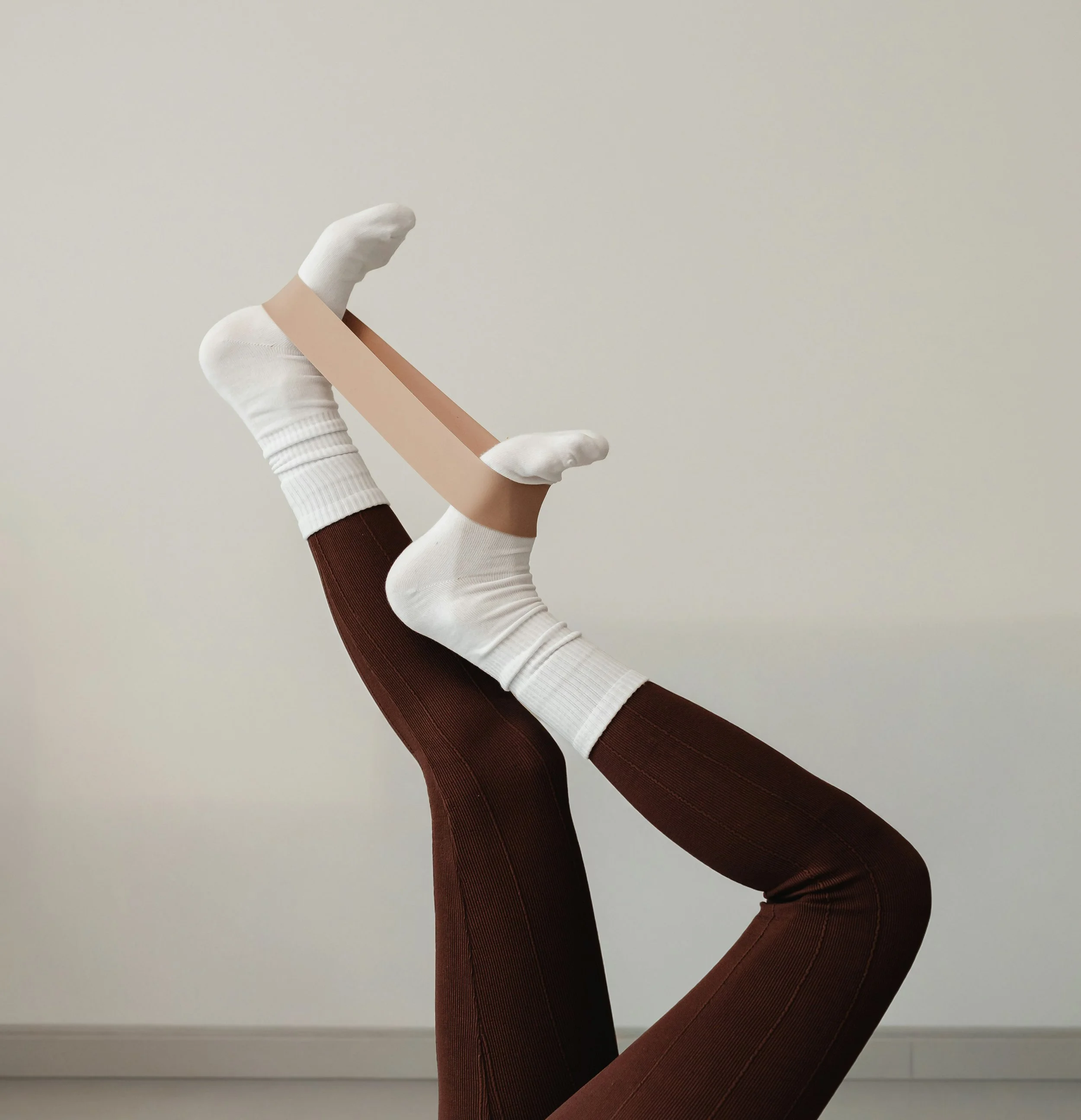
Free the Lower Leg, Expand the Foot
This is one of the central ideas behind Expand the Feet, Rise the Body.
Rather than beginning and ending with toe stretches or rolling the sole of the foot, we explore the entire region below the knee: the gastrocnemius and the deeper soleus, the front of the shin, the inner and outer lower leg, the Achilles, the ankle, the sole, the arches, and the toes.
We work with these areas individually at times. The intention is always to reconnect them.
When the lower leg has more freedom to respond, the ankle may have more movement available. When the ankle has more movement available, the foot has more opportunity to adapt to the ground. And when the foot can adapt rather than simply brace, it can begin to spread and expand beneath you.
That expansion isn't passive.
It's responsive.
The foot softens into the ground when it needs to absorb and adapt, then organizes again when it needs to support and propel you.
The goal isn't simply a loose foot. It's a capable one.
How Foot and Ankle Mobility Affect Posture and Balance
This is where foot and lower-leg work becomes whole-body work.
Your body is constantly organizing itself in relationship to gravity and the ground. If the feet are compressed, the ankles relatively rigid, and the lower legs holding extra tension, the foundation beneath you has fewer options.
The rest of the body will still find a way to stand. It always does.
But it may take more effort elsewhere: in the knees, the hips, the low back, or the neck.
When more movement becomes available below the knee, your relationship with the ground can change. The calves soften. The shin moves more freely over the ankle. The foot spreads, the toes participate, and the arches respond rather than being held.
The base beneath you becomes broader and more adaptable.
And then we explore what happens above it.
Can the knees organize with less effort?
Can the pelvis settle over the feet?
Can the spine rise without being held upright?
Can the head feel easily supported over the rest of the body?
This is what I mean by expand the feet, rise the body.
Not forcing yourself taller. Not pulling your shoulders back or tightening your core to hold yourself up.
Creating enough freedom and responsiveness through the feet and lower legs that the rest of the body has a foundation to organize upward from.
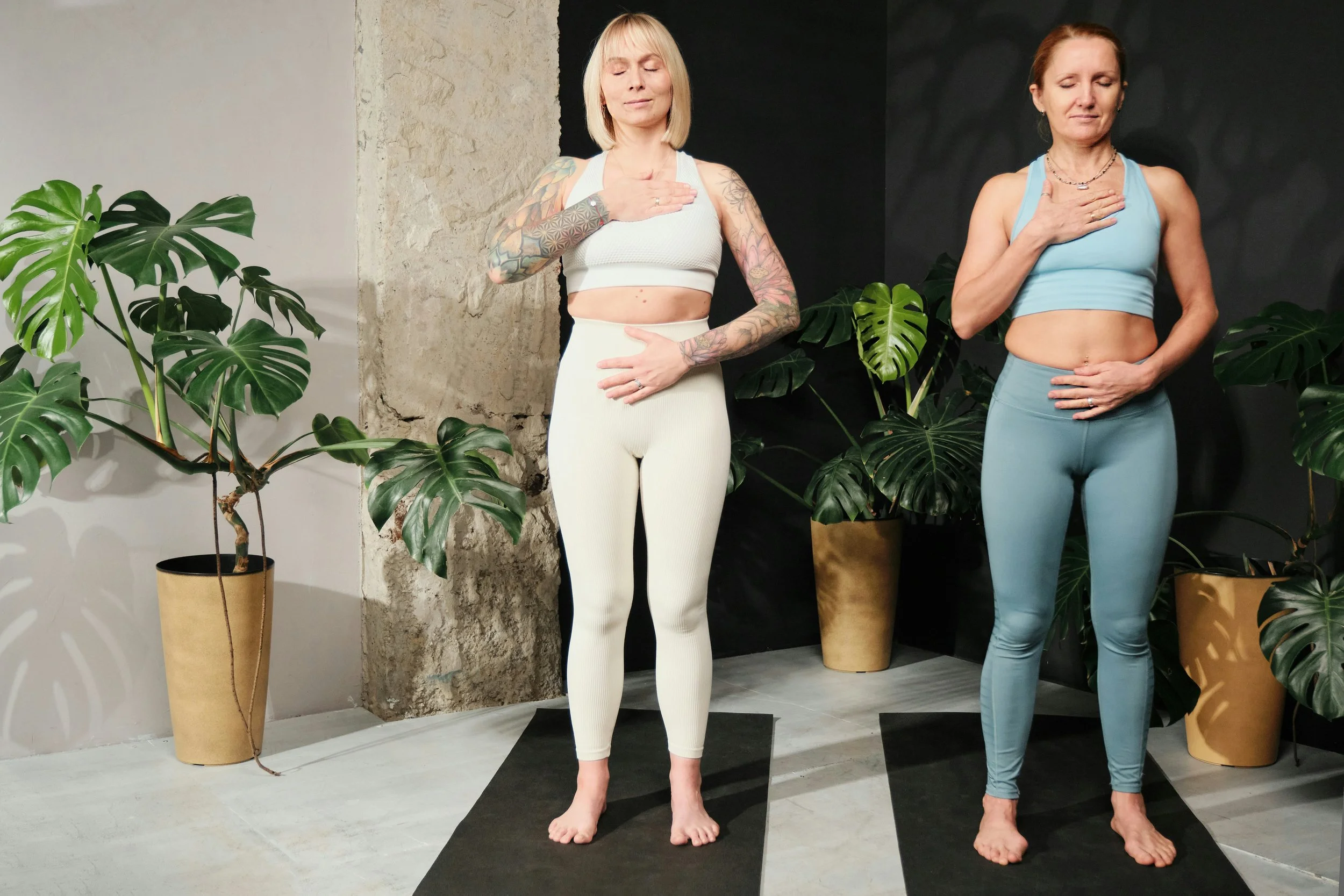
Try This: A One-Minute Standing Check-In
You can feel some of this right now.
Stand barefoot if you can, feet about hip-width apart. Move slowly and stay within what feels comfortable.
1. Notice where your weight lands.
Heels, balls of the feet, inner or outer edges. There's no right answer here, only information.
2. Check your toes.
Are they gripping the floor, even slightly? See if they can soften and lengthen without lifting.
3. Let the shins travel.
Keeping your heels down, slowly bend your knees and let your shins move forward over your feet. Notice how far they go before your calves or ankles ask you to stop.
4. Return to standing.
Notice whether anything feels different through your feet, your knees, or the way your spine sits above them.
If one side felt noticeably different from the other, pay attention to that. It's exactly the kind of pattern we explore together in class.
Expand the Feet, Rise the Body: A Small-Group Movement Class in Pleasant Hill
Expand the Feet, Rise the Body is the newest class in the Movement & Mobility Series at Life Force Chiropractic.
It explores the feet, ankles, and lower legs as one interconnected movement system, then asks what becomes possible through the rest of the body when that foundation changes.
Through foot mobility, lower-leg and ankle movement, yoga-based postures, functional mobility, and somatic awareness, we'll work from the ground up. Rather than treating your feet as a fixed base, the practice invites them to spread, move, respond, and support you.
What We'll Explore
Toe mobility and foot expansion
The sole of the foot and plantar tissues
Gastrocnemius and soleus mobility
Tibialis anterior and posterior function
Ankle dorsiflexion and rotation
Arch adaptability and foot articulation
Balance and weight shifting
Integration through standing, squatting, walking, and functional movement
Somatic awareness of where the feet and lower legs grip, brace, collapse, or restrict movement
Who It's For
Whether you're a runner whose calves never quite let go, someone on your feet all day, or simply curious how your foundation shapes the rest of you, this class meets you where you are. [confirm: no prior experience needed]
The intention is that you leave feeling more grounded through your feet, more spacious through your lower legs, and more supported as your body rises above them.
If this resonates, you're welcome to join us.
Frequently Asked Questions
Why are my calves always tight, even after stretching?
Stretching lengthens muscle tissue temporarily, but persistent calf tightness often reflects a protective bracing pattern in the nervous system. If your toes grip, your ankles have limited movement, or your body doesn't feel stable through its foundation, the calves tend to tighten again once you're back on your feet. Working with the whole lower leg and foot, including the deeper soleus, gives your body more options than stretching alone.
Can tight calves affect your feet and ankles?
Yes. The gastrocnemius and soleus both connect to the heel through the Achilles tendon, so tension in the calves can limit how far your shin moves forward over your foot. That restriction in ankle mobility can show up as stiff ankles, gripping toes, or feet that feel compressed.
Does ankle mobility affect posture and balance?
It can. Your feet and ankles send your nervous system constant information about the ground, and your body uses it to stay upright and balanced. When the feet and ankles have more movement and sensation available, the knees, hips, and spine often need less effort to stay organized above them.
How do I know if my soleus is tight?
The soleus sits beneath the larger calf muscle and does more of the work when your knee is bent. If you feel restriction low in the calf or around the Achilles when you bend your knees with your heels down, as in a squat, the soleus may be part of the picture.
When should I see a professional about tight calves?
If calf tightness keeps returning, limits how you move, or shows up alongside foot, knee, or low back discomfort, individual support can help you find where the pattern starts. Seek prompt medical care for sudden calf pain with swelling, warmth, or redness, especially in one leg, since those symptoms need evaluation.
Do I need movement or yoga experience to join Expand the Feet, Rise the Body?
No prior experience is needed. Groups are limited to six participants so Dr. Alandi can offer individualized guidance and adapt the practice to your body.
Start From the Ground Up
Your feet meet the ground thousands of times a day. Each step is information your body uses to decide how much to hold and how much it can let go.
When the foundation has more room to move, the rest of you doesn't have to work so hard to stay upright.
Free the lower leg. Expand the foot. Rise through the body.
If you're in Pleasant Hill, Walnut Creek, Concord, or elsewhere in the East Bay, you're welcome to explore that progression with us in class.
See Expand the Feet, Rise the Body →
Some patterns ask for more individual attention, like an ankle that never fully settled after an old sprain, or calves that tighten no matter what you try.
Book a session →
About Dr. Alandi Stec
Dr. Alandi Stec is a Doctor of Chiropractic and Reiki Master specializing in nervous system-centered healing approaches. She serves the Pleasant Hill and Bay Area athletic community through Life Force Chiropractic, combining Bio-Geometric Integration with craniosacral work and somatic practices to support athletes in discovering their body's innate capacity for optimal performance and resilience.
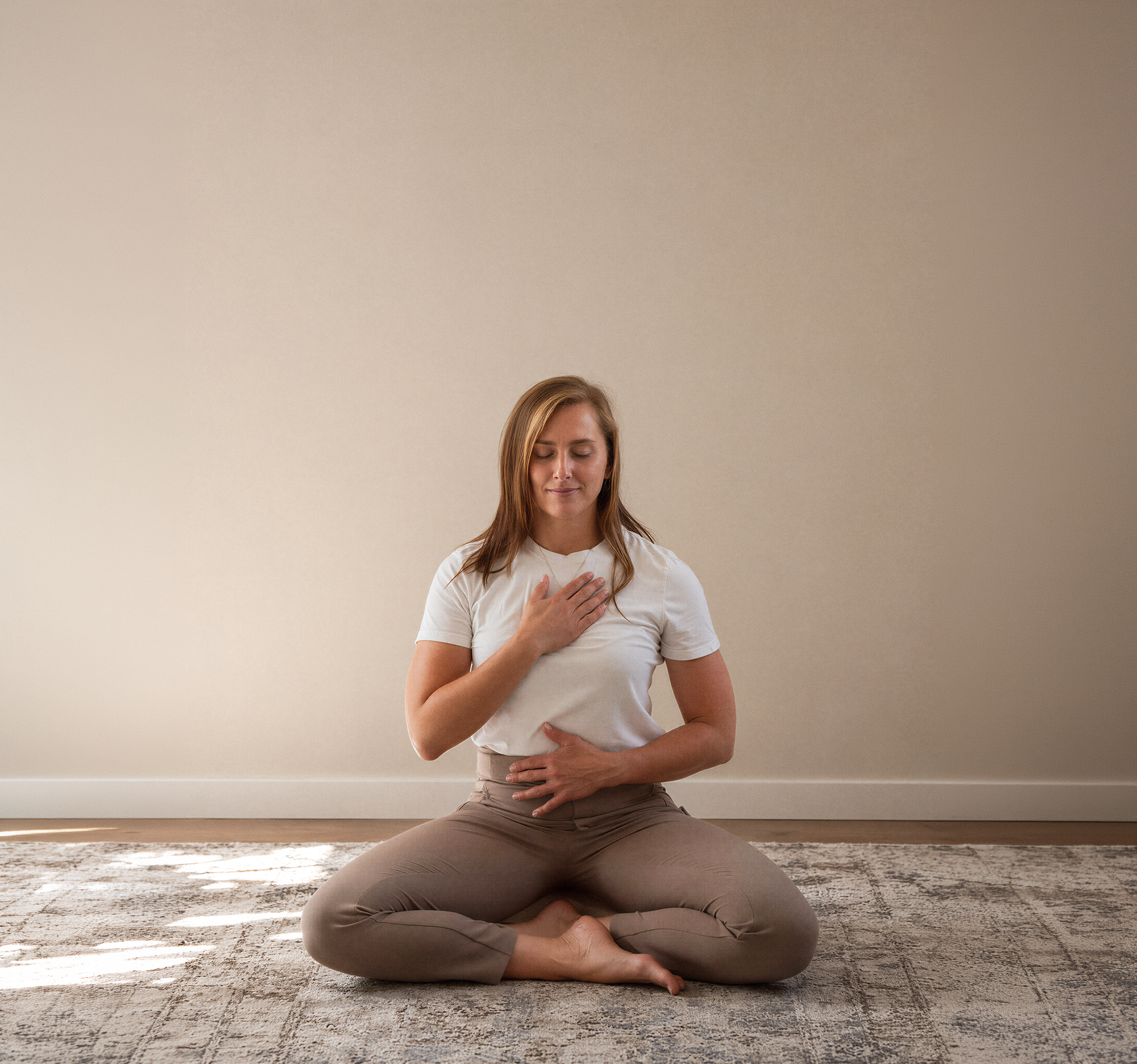
A FREE PRACTICE TO TAKE WITH YOU
Find Your Way Back to Center
A free guided meditation for settling the body and quieting the mind.
This 20-minute guided meditation offers a simple space to slow down, soften your attention, and reconnect with yourself. Return to it whenever life feels full, your mind feels busy, or you simply need a moment to pause.
Recorded by Dr. Alandi Stec and delivered to your inbox when you join the newsletter.