
The Threshold Pause
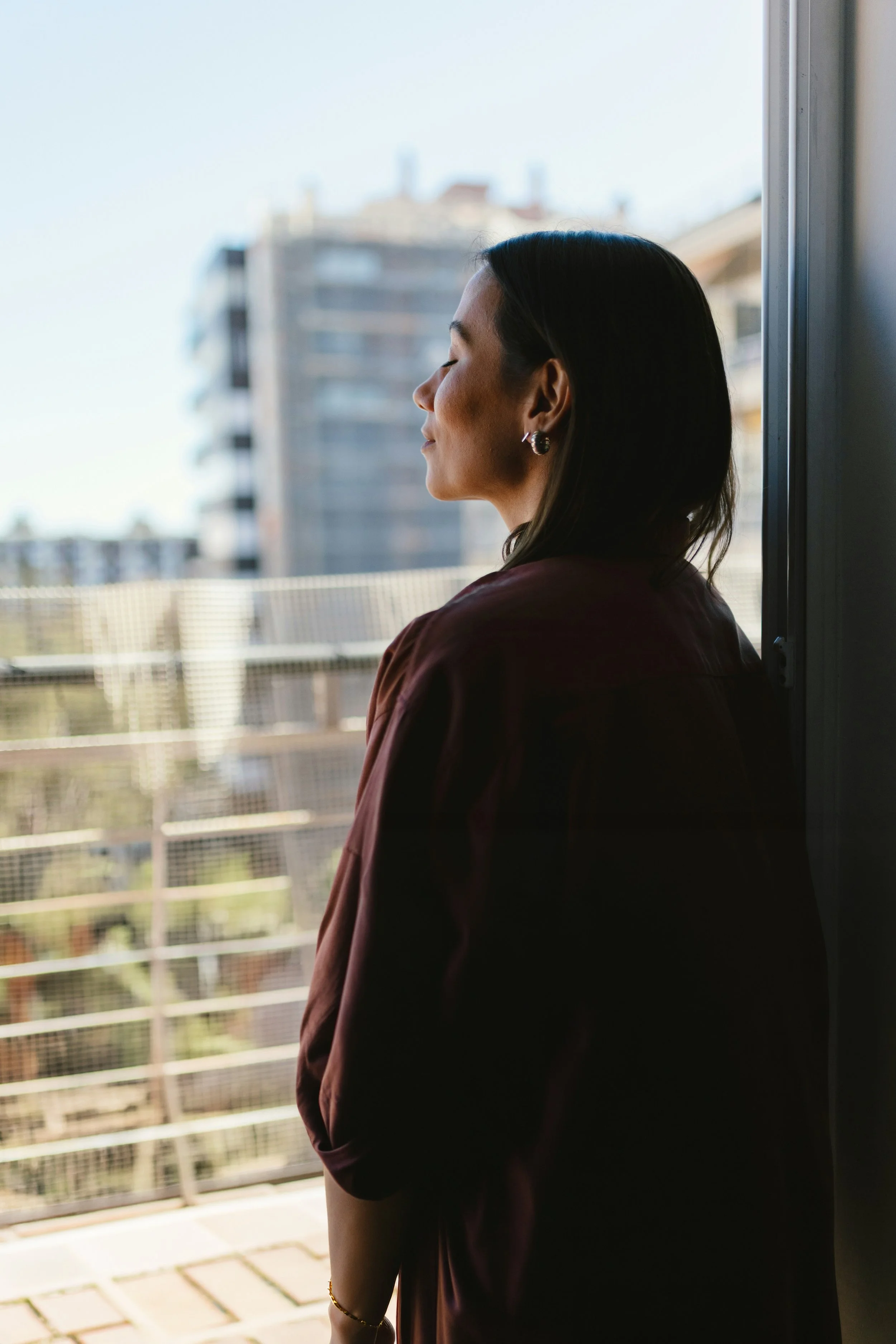
Busy seasons aren’t usually lost in the events.
They’re lost in the transitions: the rush from one thing into the next with the last thing still running in your body.
Every doorway you pass through today is a threshold, and each one is an opportunity to let something end before something else begins.
The Threshold Pause is a transition ritual built from the day you already have. No cushion, no app, no extra time. Just the doorways.
HOW TO PRACTICE
1. Choose a threshold.
The door to your home, your office, a meeting room, even the moment before opening a laptop.
2. Before crossing it, stop.
Feel both feet on the ground.
3. Take three unhurried breaths.
On each exhale, let the previous activity finish. You might silently name it done.
4. Cross the threshold.
Notice what it feels like to arrive somewhere with your whole system, not just your schedule.
Why It Works
The nervous system organizes experience in episodes, and clear transitions can help create a felt distinction between what just happened and what comes next.
Modern days rarely give us much space between experiences. One task moves directly into another, allowing tension, attention, and activation from the previous moment to carry forward.
Pausing at a threshold interrupts that momentum. Feeling your feet brings attention into the body, while three slow breaths create an opportunity for your system to settle before entering what comes next.
Rather than carrying the last moment forward automatically, you practice arriving.
Use This Practice
Walking into your home at the end of a workday
Before meetings, appointments, or difficult conversations
At the start and end of the workday, as bookends
During seasons of transition, when everything feels like it’s beginning at once
A day holds dozens of thresholds.
You don’t need to catch them all.
Even three intentional arrivals can change how the day feels from inside.