

You pull up to the house and sit in the car for a moment before going in. The dish you made is on the passenger seat. There was traffic. There were three errands on the way, and a work email you answered at a red light.
Inside, people are laughing. You're glad to be here. And yet your shoulders are up near your ears, your jaw is set, and some part of you already feels done for the day.
If you've ever arrived at a holiday gathering exhausted from everything it took to get there, you're in good company. Holiday stress builds up in the nervous system quietly, one small demand after another, often during the very moments we hoped would feel restful.
Why the Holidays Feel So Full
The holiday season carries a lovely intention. It's meant to be a time of connection, celebration, and slowing down.
For many people, the pace speeds up instead.
Your regular work schedule and daily responsibilities don't pause. On top of them comes an extra layer: gatherings, travel, shopping, family commitments, cooking and preparing, all woven into a calendar that was already full.
None of these things has to be stressful on its own. Many of them are things you love. What makes the season feel so heavy is how they stack up, with very little space in between.
Holiday Stress and Your Nervous System
Your nervous system is designed to move between two broad states. One mobilizes energy, so you can focus, respond and get things done. The other settles you, so you can rest, digest and recover.
Both are healthy. A regulated nervous system moves between them with some fluidity, rising to meet a demand and then settling once it has passed.
During the holidays, the settling part often gets skipped.
You finish one task and move straight to the next. You leave one gathering already thinking about the one tomorrow. Even the drive home becomes a time to plan. Your body rarely receives the signal that a demand has ended and it's safe to come down.
So the activation accumulates. Holiday stress usually comes from the steady movement from one responsibility to the next, without enough opportunity to settle in between, more than from any single big stressor.
This is also why enjoyable experiences can start to feel like effort. A dinner with people you love still asks something of your system: being social, staying present, often travelling to get there. When there's no space around it, even the good things become one more demand.
Wired but Tired: How Holiday Stress Shows Up in the Body
When the nervous system stays mobilized for days or weeks, the body tends to tell you. You might notice:
More tension in your shoulders and jaw.
These are common places for the body to brace, and many people find themselves clenching without realizing it.
Changes in your breathing.
Breath can become higher and shallower, sitting in the chest instead of moving down into the belly and ribs.
Disrupted sleep.
You're exhausted at the end of the day, and still find it hard to fall asleep, or you wake in the early hours with your mind already busy.
A feeling of being wired but tired.
Your body is depleted, while your system stays switched on.
A shorter fuse.
Less patience, more sensitivity to noise and busy rooms, and a stronger wish to be alone.
These are signs of a body that has been working hard to keep up. Your nervous system is doing its job, staying ready for whatever comes next. What it needs is a few more moments that tell it the demand has passed.
Why Waiting for the Season to End Rarely Works
Many of us carry an unspoken plan: get through the holidays, then rest.
The difficulty is that stress that accumulates for weeks doesn't simply drain away on the first quiet morning. Many people find that when they finally stop, they feel worse for a few days. They get sick, sleep poorly, or can't seem to relax at all. I write more about this in Why Your Body Won't Relax on Vacation.
What tends to help most is building small moments of settling into the season itself. They don't need to be long. A few breaths in the right place can tell your body more than a long rest that comes weeks too late.
Small Ways to Stay Regulated Through the Holiday Season
These practices are short enough to fit into a full day. Choose one or two that feel natural rather than trying them all.

Pause at the Door
Before you walk into a gathering, or back into your own home, take a few breaths at the threshold. Feel your feet on the ground. Let your exhale be a little longer than your inhale. Notice what you're carrying from the last place before you step into the next one.
This small transition is the heart of The Threshold Pause, and it's one of my favorite practices for this time of year.

Let Your Exhale Lead
A slow, unhurried exhale is one of the simplest ways to signal safety to your body. Try breathing in for a count of four and out for a count of six, for a minute or two. You can do this in the car, in line at the store, or in a quiet bathroom at a party.
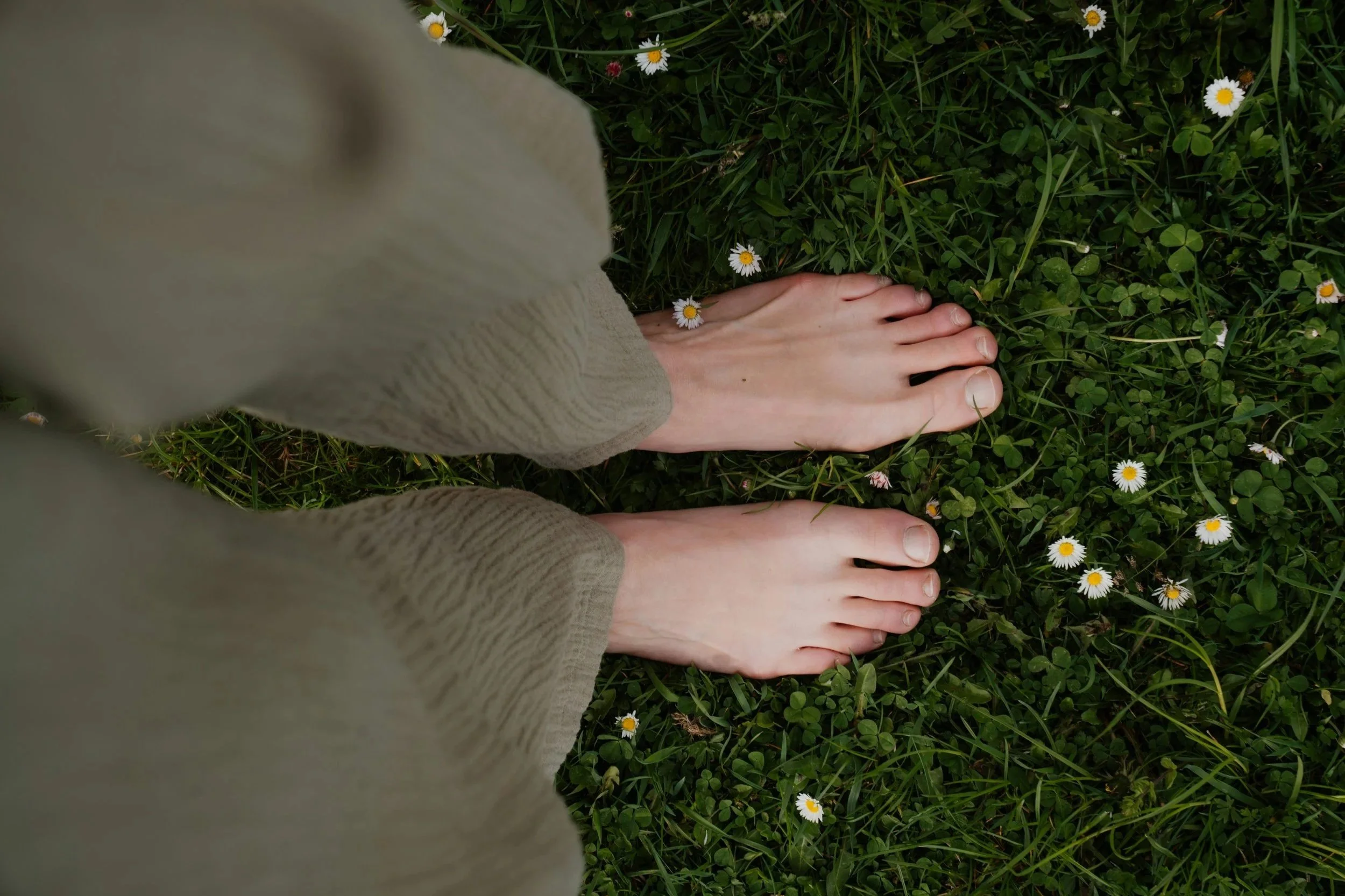
Ground Through Your Feet
When the room feels loud or busy, bring your attention to the weight of your feet on the floor. Press down gently through your heels. Let your eyes rest on something steady in the room. The One-Minute Grounding Technique walks you through it.

Soften Your Jaw and Shoulders
A few times a day, check in with the places that tend to brace. Let your teeth part slightly and your tongue rest in your mouth. Let your shoulders drop on an exhale. You may be surprised how often you find them holding.
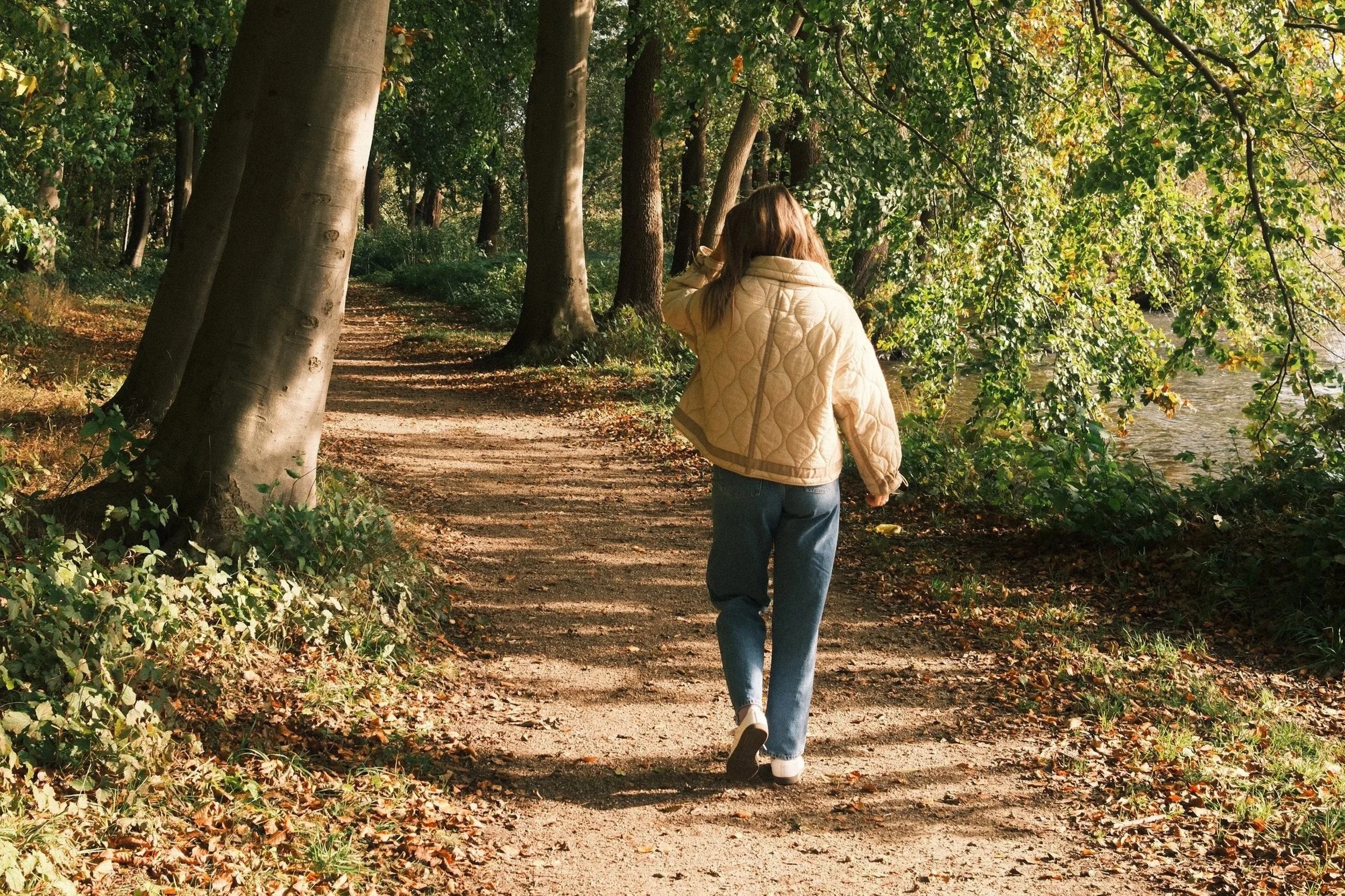
Move After You Sit
Holiday meals and long drives mean a lot of sitting. A short walk after eating, or a few minutes of gentle movement when you arrive somewhere after travel, helps your body shift out of one fixed position and lets your system know the effort has passed.
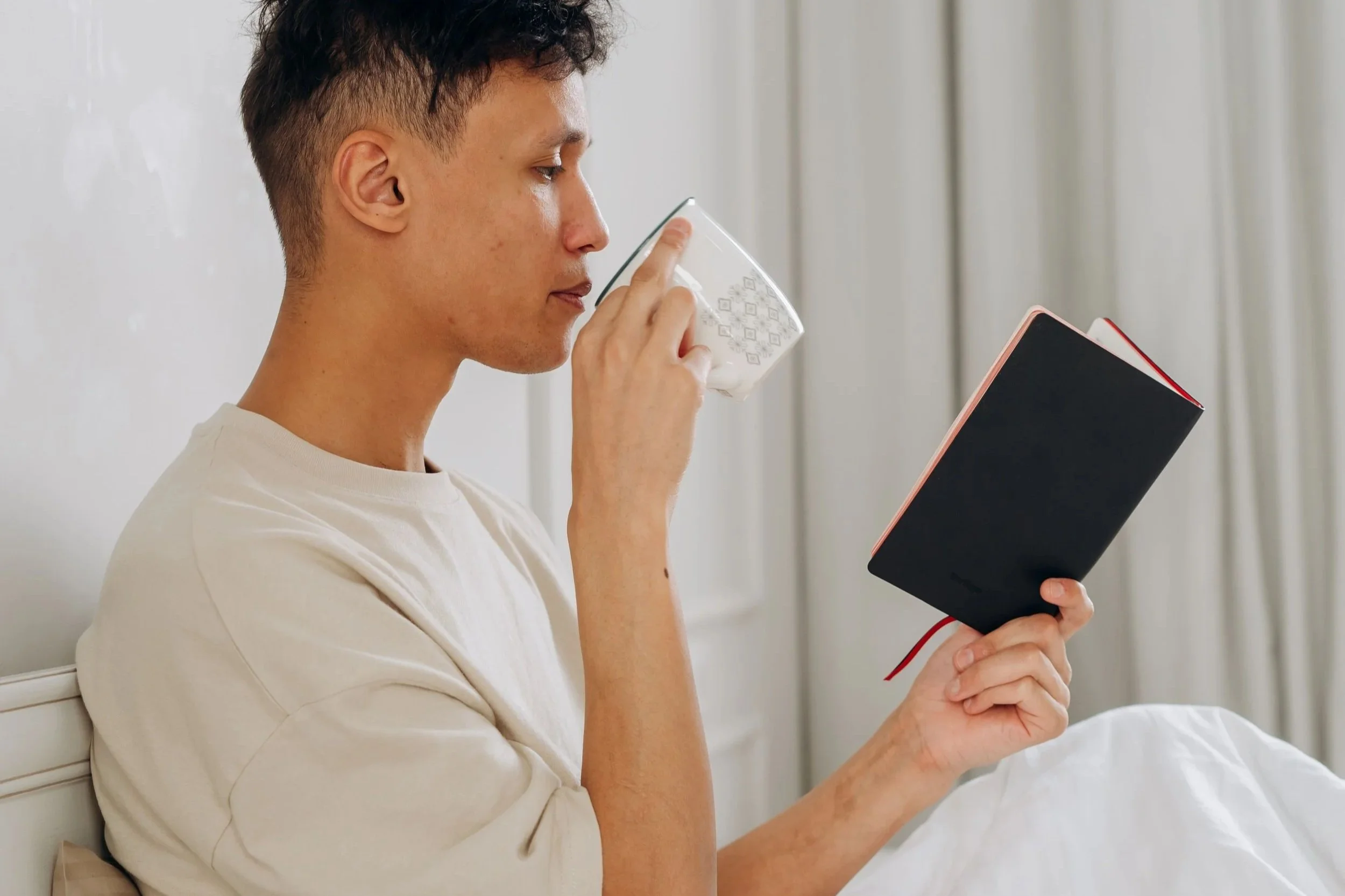
Protect a Few Anchors
Choose two or three things that steady you and keep them as consistent as you can: a regular bedtime, a morning walk, a quiet cup of tea before the house wakes up. Familiar rhythms tell your nervous system that some things are still predictable.
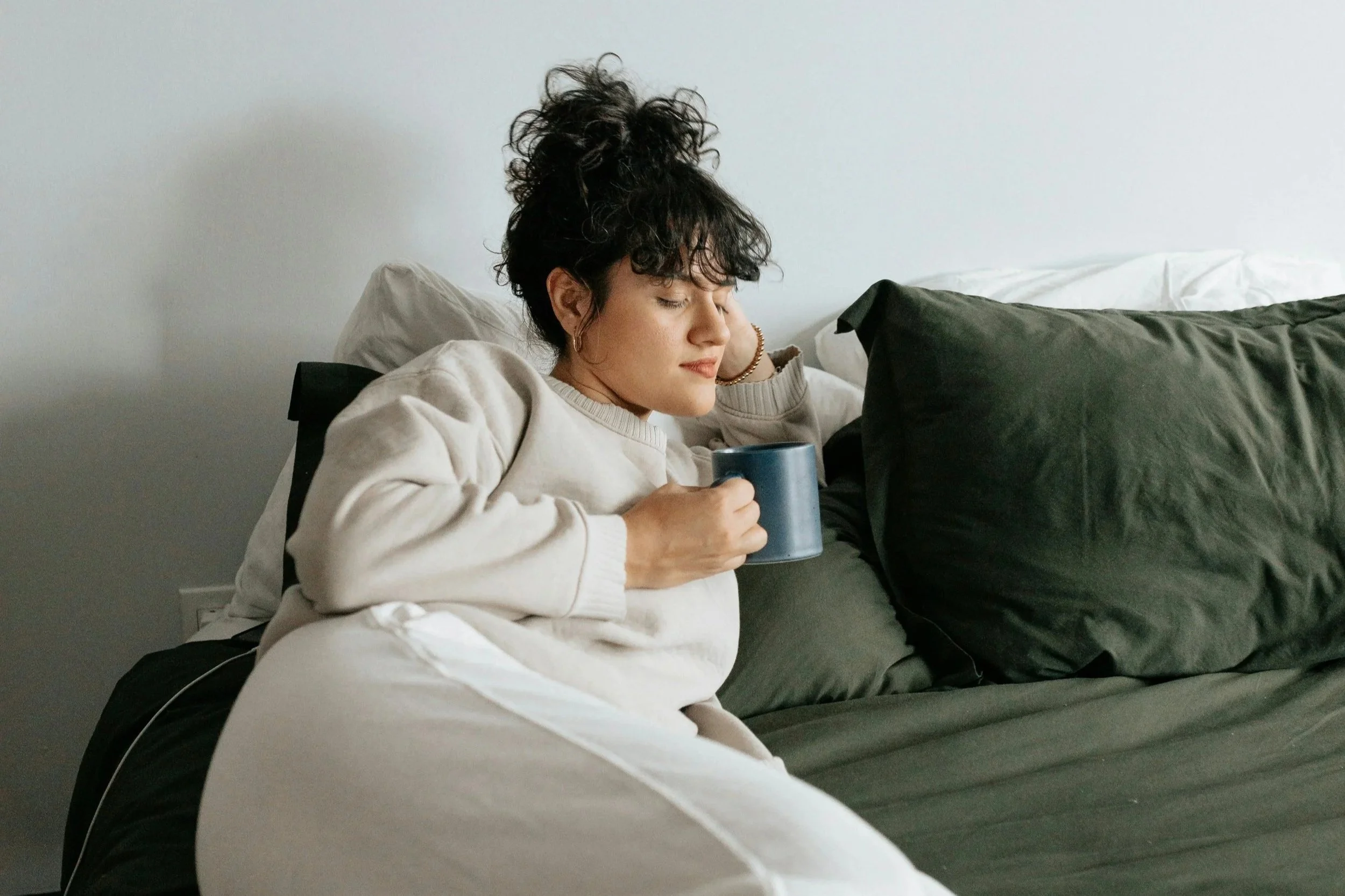
Leave Space Between Things
If you can, give yourself a little room between commitments. Arrive five minutes early and sit in the car. Leave a half hour open after a gathering. Say no to one thing that doesn't feel essential. The space between events is where your body catches up.
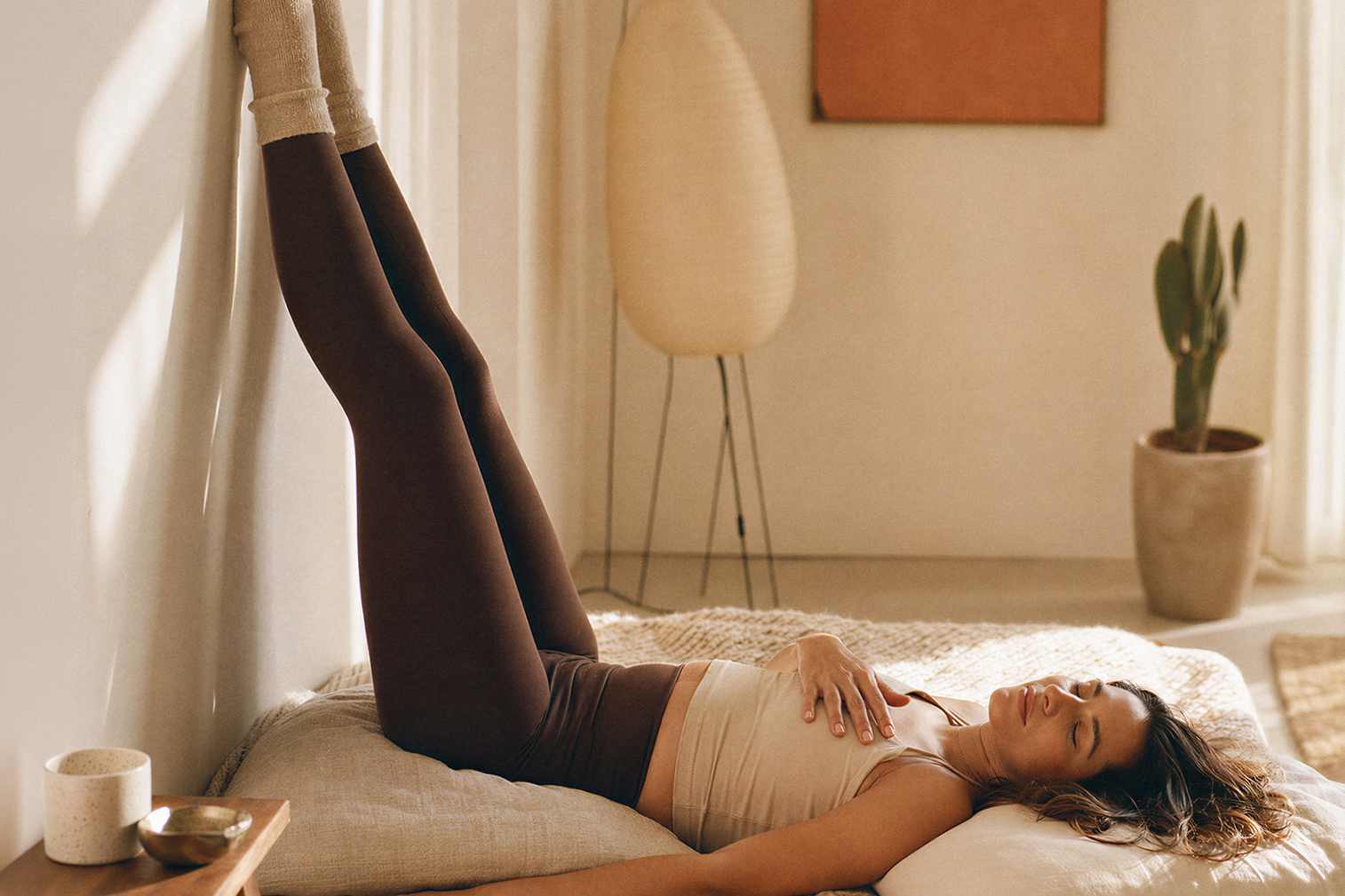
Rest Before You Need To
At the end of a full day, try lying on the floor with your legs resting up against a wall for five to ten minutes. Legs Up the Wall is a simple, restorative way to let your system come down before bed.
How I Support Clients Through the Holiday Season
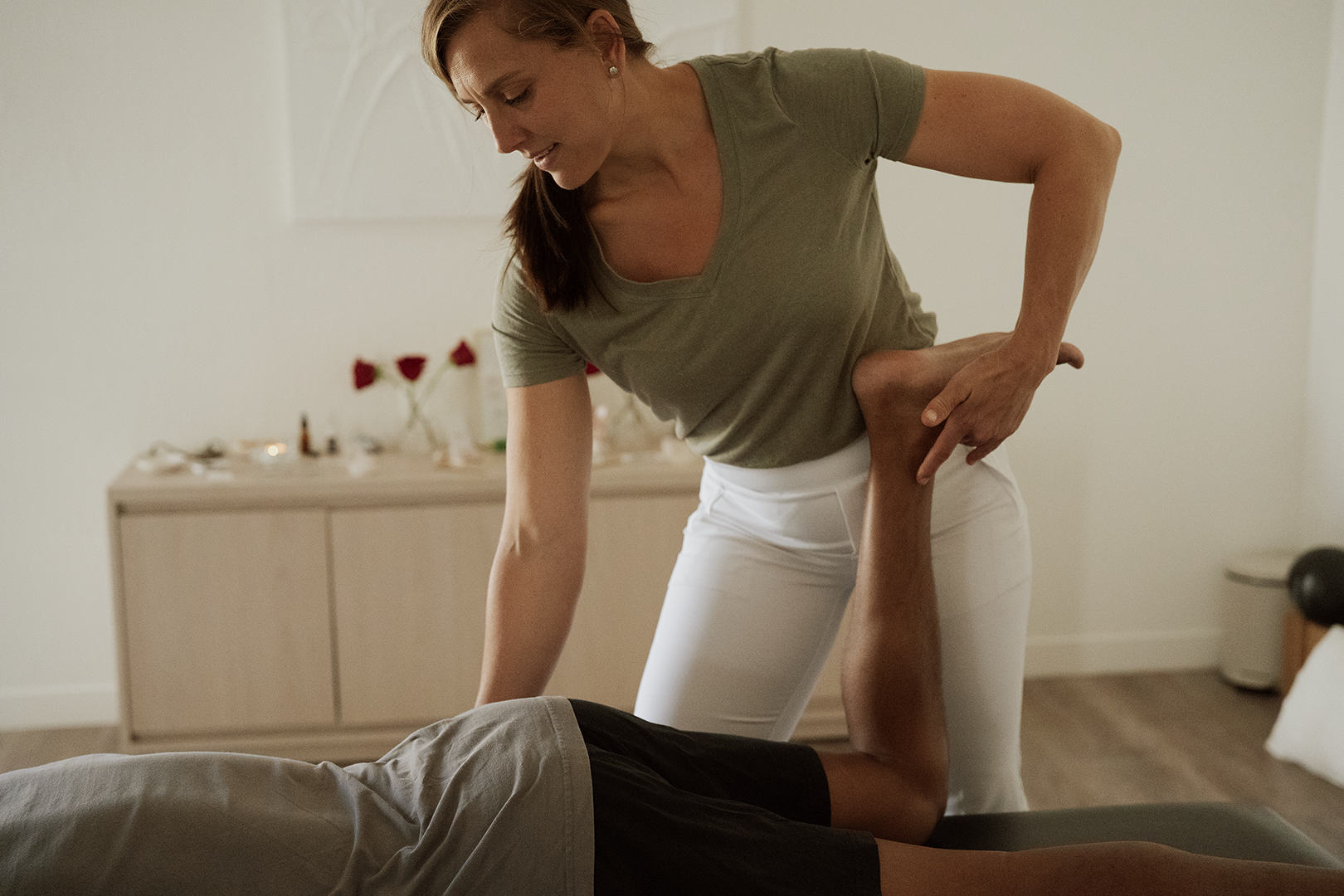
In my Pleasant Hill practice, this time of year often brings people in with familiar patterns: necks and shoulders that won't let go, jaws that have been clenching at night, lower backs that feel compressed from travel and long drives, and a general sense of running on empty.
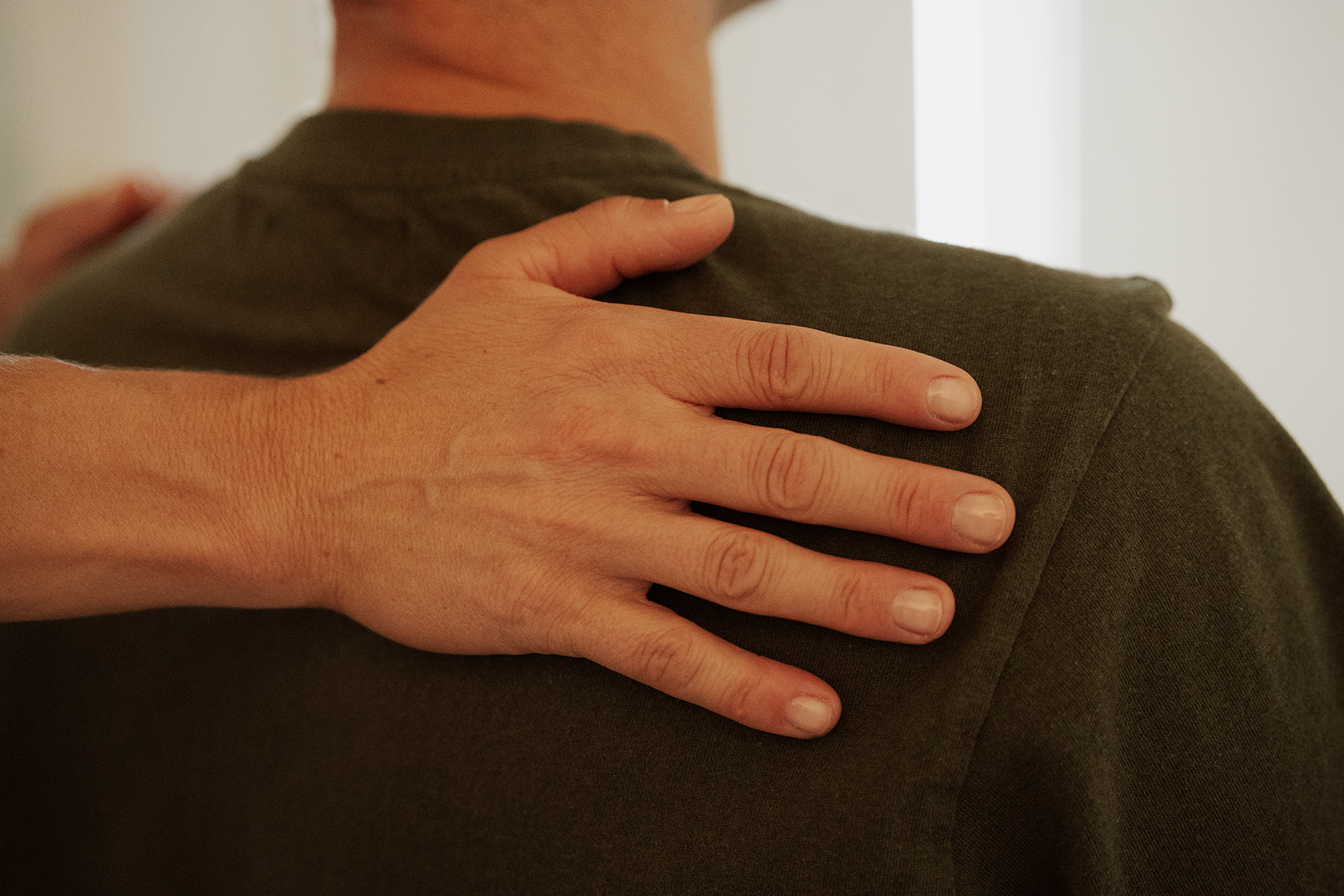
My work is gentle and nervous system-centered. Through Bio-Geometric Integration, craniosacral work and attentive, unhurried touch, I support the body in easing out of its bracing patterns and finding a more settled rhythm. Clients often notice their breath deepening, their shoulders dropping, and sleep coming more easily in the days after.
Many people find it helpful to come in before a busy stretch of travel and gatherings, or soon after, to help the body transition back into its everyday rhythm.


A Guided Option: 12 Days of Nervous System Regulation
If you'd like support at home, I created 12 Days of Nervous System Regulation for exactly this kind of season.
Each day offers a short, guided practice, drawing on breathwork, gentle movement, grounding, meditation and reflection. The practices are designed to fit into a full life, so you can build small moments of settling into your days instead of waiting for a quieter time that may not come.
Twelve days is also a gentle container for the season. You can begin whenever you're ready and move at your own pace.
Frequently Asked Questions
Why do the holidays make me so stressed?
The holidays add extra demands, like gatherings, travel, shopping, cooking and family commitments, on top of your regular responsibilities. Often the hardest part is how these demands accumulate with little time to recover between them, so your nervous system stays mobilized for weeks at a time.
How does holiday stress affect the body?
Many people notice more tension in their shoulders, neck and jaw, shallower breathing, disrupted sleep, and a feeling of being wired but tired. These are signs that the nervous system has been staying in an active, alert state without enough time to settle.
Why do I feel exhausted but can't relax during the holidays?
When your nervous system has been activated for a long stretch, it can stay switched on even when your body is depleted. Small moments of settling throughout the day, like a longer exhale or a pause between activities, help your system remember how to come down.
How can I calm my nervous system during the holidays?
Short, regular practices tend to work better than waiting for a big rest. Try lengthening your exhale, grounding through your feet, softening your jaw and shoulders, walking after meals, keeping a consistent bedtime, and leaving space between commitments.
Can chiropractic care help with holiday stress?
Gentle, nervous system-centered chiropractic care can help the body ease out of the bracing patterns stress tends to create, especially in the neck, shoulders, jaw and lower back. Many clients find a session before or after a busy stretch helps them feel more settled.
Meeting the Season With More Ease
The holiday season will probably always be full. But your experience of it can change when your body has a few chances each day to settle.
A breath at the door or a walk after dinner can be enough to tell your nervous system that a moment has passed. Those small pauses help you meet the season with more ease, and feel present for the people you care about.
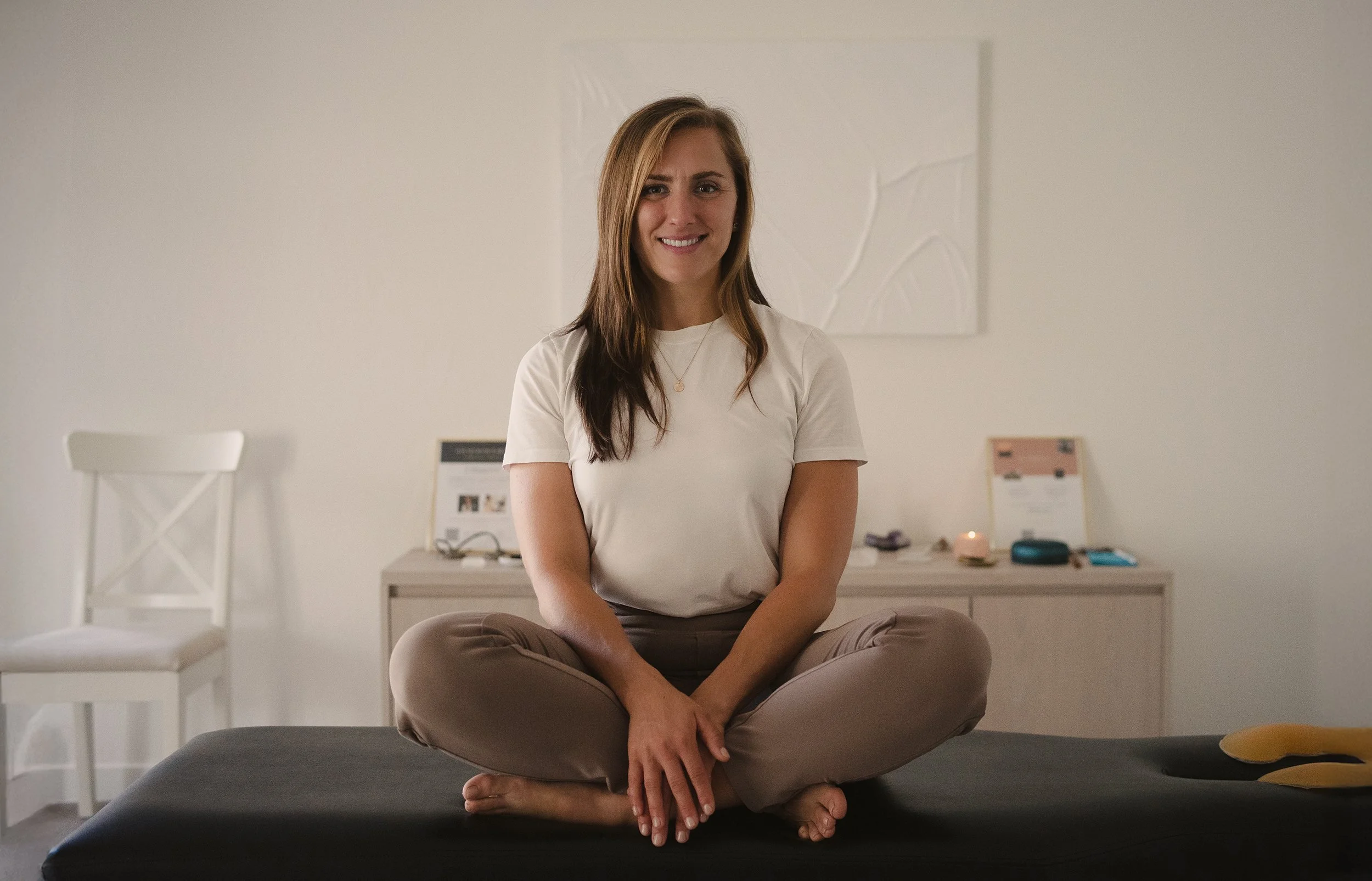
About Dr. Alandi Stec
Dr. Alandi Stec is a Doctor of Chiropractic and Reiki Master specializing in nervous system-centered healing approaches. She serves the Pleasant Hill and Bay Area athletic community through Life Force Chiropractic, combining Bio-Geometric Integration with craniosacral work and somatic practices to support athletes in discovering their body's innate capacity for optimal performance and resilience.
Keep the conversation going.
Each month, The Regulating Rhythm brings a free reflection to your inbox, and paid subscribers receive a new practice to help the nervous system settle.
Keep Exploring
Book a session: if you're in the East Bay, whether in Pleasant Hill, Walnut Creek or Lafayette, you're welcome to book a visit before or after your busiest weeks.
Practice at home: 12 Days of Nervous System Regulation offers a short guided practice each day.
Rest with me in person: join my next Yoga Nidra gathering in Pleasant Hill on Friday, November 20, 5:30 to 6:30 PM. See upcoming events
A new practice each month: The Regulating Rhythm is my monthly note to support your nervous system, on and beyond the table. Join on Substack and receive my 20-minute guided meditation, Find Your Way Back to Center, on me.
Read next: Why Your Body Won't Relax on Vacation and The Threshold Pause.