
Why Your Body Won't Relax on Vacation

You waited months for this week. You cleared the calendar, set the auto-reply, and arrived somewhere you're supposed to unwind. And three days in, your body still hasn't gotten the message. Your shoulders are up. Your mind keeps drifting to work. You feel restless in a way that's almost embarrassing, because this is exactly what you wanted and you can't seem to sink into it.
Or maybe it's the other version, the one where you make it to the first morning off and promptly come down with a cold. You held it together through the deadline, the push, the crunch, and the instant you stopped, your body did too.
Both of these are real, common, and telling. They're not signs that you're bad at resting. They're signs of what your nervous system has been carrying, and how long it actually takes to set down.
Rest Isn't a Switch
We tend to imagine relaxation as something that happens the moment the pressure lifts. Work ends, vacation begins, and the body exhales. For a nervous system that's been running hot for months, it doesn't work that way.
A system that's spent a long time in a state of readiness doesn't drop out of it just because the calendar changed. It has learned to stay mobilized, and unlearning that takes more than a plane ticket. This is why the first days of a vacation so often feel oddly unsettled. Your circumstances have changed. Your physiology hasn't caught up. The body is still scanning for the next demand because that's the state it knows.
The unwinding is real, but it's gradual. For many people, it takes most of a week just to arrive, which is a sobering thing to notice about a one-week trip.
The Vacation That Makes You Sick
The phenomenon of falling ill the moment you stop is common enough that it has a name in the research literature: leisure sickness. The pattern is familiar to a lot of high-output people, healthy through the demanding stretch, floored the moment it ends.
While the full explanation is still being studied, part of the picture is straightforward. A system running on sustained activation keeps you going, and it also suppresses some of the body's slower maintenance work, including aspects of immune function. When the activation finally drops, everything that was held off comes due at once. The body, given permission to stand down, uses that permission to deal with what it had been postponing. The timing feels cruel, but it's the body doing exactly what it should, just later than you'd like.
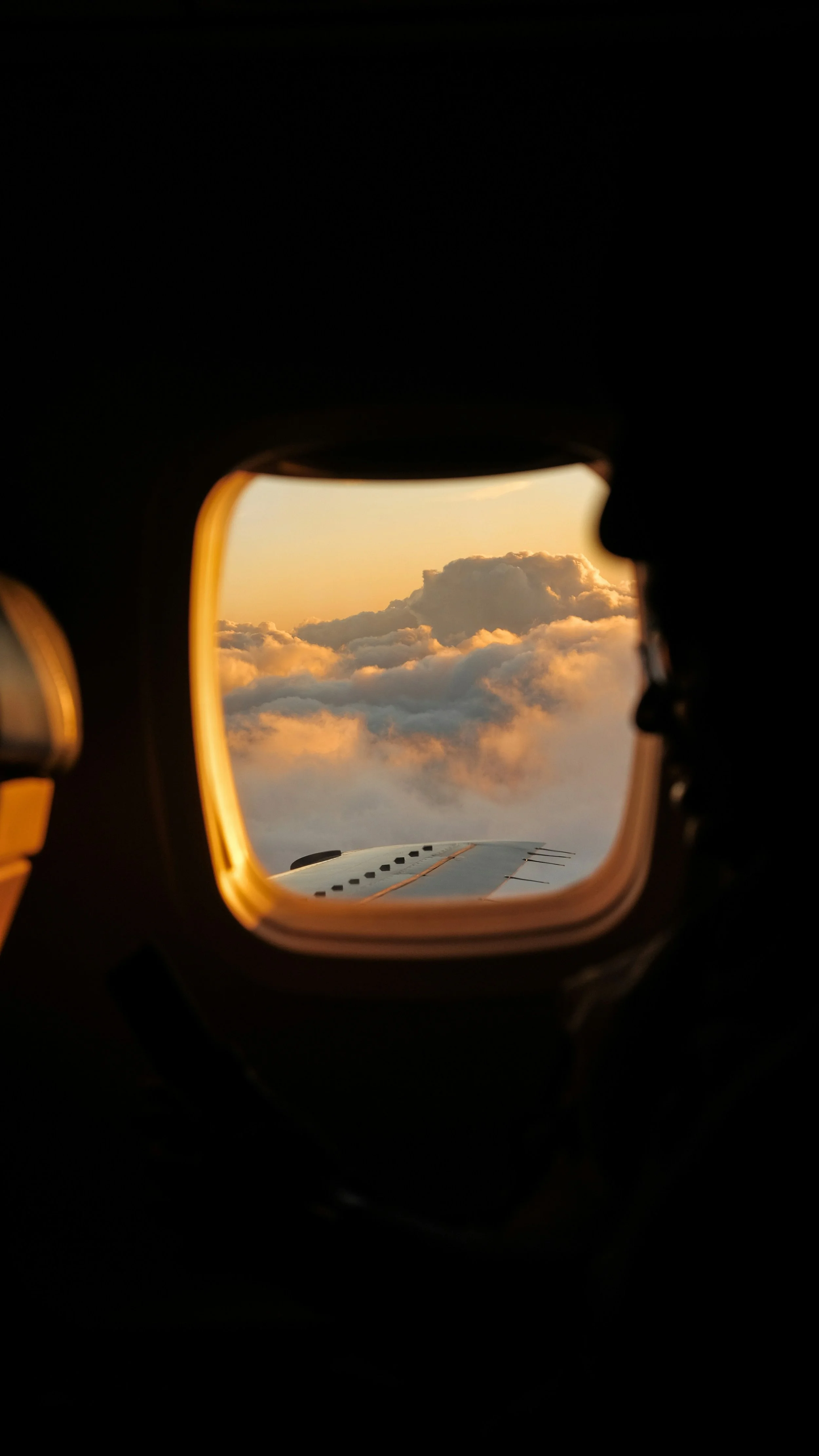
Why This Says Something About the Other Fifty Weeks
Here's the part worth sitting with. If it takes your body three days to begin unwinding and a full week to arrive, that's information about the state you live in the rest of the year.
A well-regulated system can move in and out of rest relatively easily. It settles in the evening, recovers overnight, downshifts on a quiet weekend. When rest only becomes accessible after days of decompression, it usually means the everyday baseline is set high, that the system rarely, if ever, fully powers down during ordinary life. Vacation doesn't create that. It just reveals it.
Which is oddly good news. It means the goal isn't to become better at vacationing. It's to lower the baseline, so that rest stops being something you have to travel a long way to reach.
What Actually Helps the Body Arrive
The most useful shift is to stop treating rest as a destination and start building it into ordinary life in small, regular doses.
A nervous system that gets brief, genuine experiences of settling every day, an unhurried walk, a few minutes of slow breathing, a real pause between one thing and the next, learns that downshifting is available and safe. Over time, the baseline drops. Rest becomes something the system can find on a Tuesday evening, not only on day six of a trip. (This is the difference between rest and recovery, which I explore in The Tech Worker's Guide to Nervous System Recovery.)
On the vacation itself, it helps to expect the lag rather than fight it. Give the first days permission to feel unsettled. Move your body gently. Get outside. Sleep when you're tired. And resist the urge to schedule the trip so tightly that it becomes another performance. The body arrives faster when it isn't being asked to perform relaxation.
How I Work With a System That Won't Settle
People rarely book a session about vacation. They book about the tight neck, the headaches, the sleep that won't come, and somewhere in the conversation it emerges that they can't remember the last time they felt genuinely at rest.
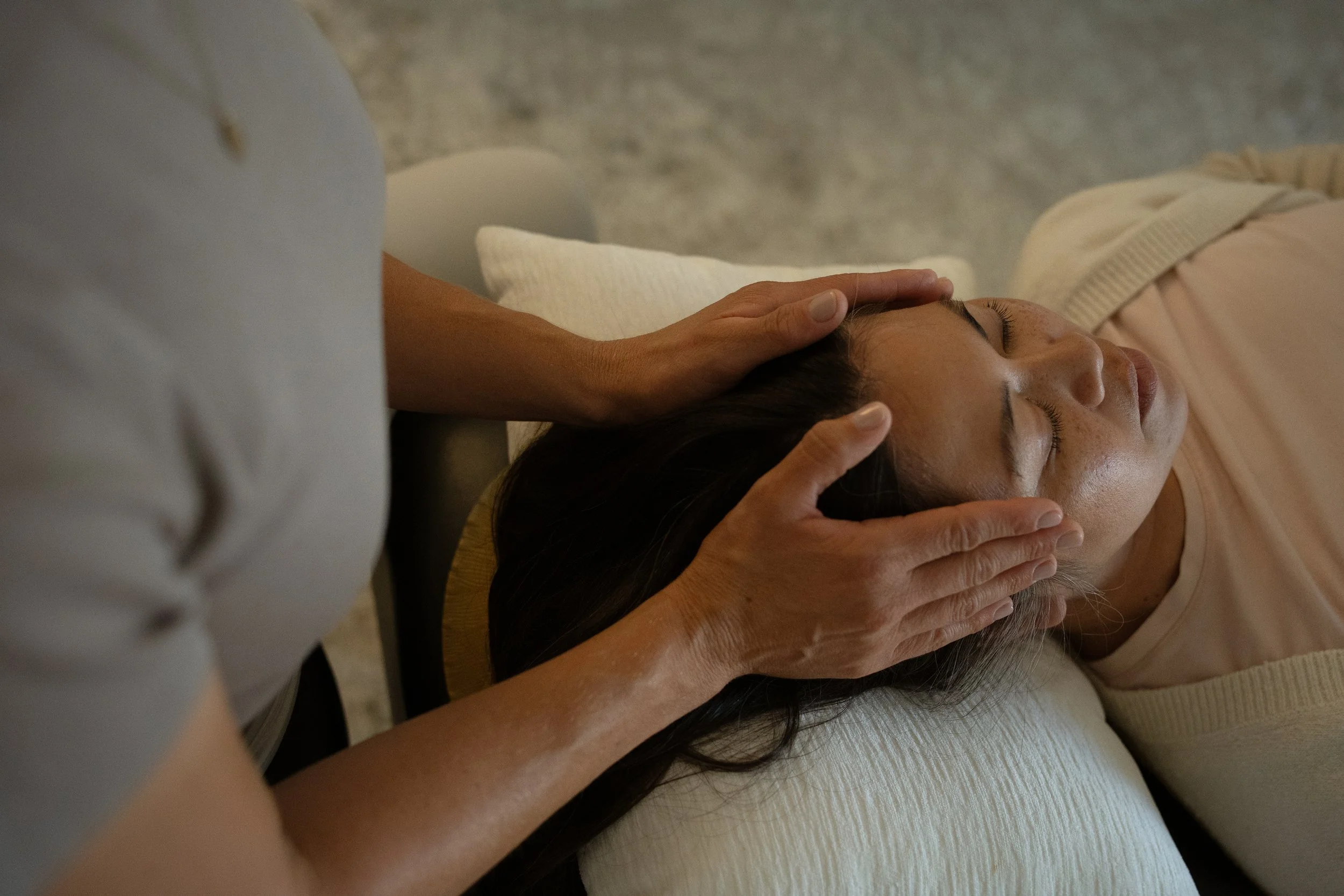
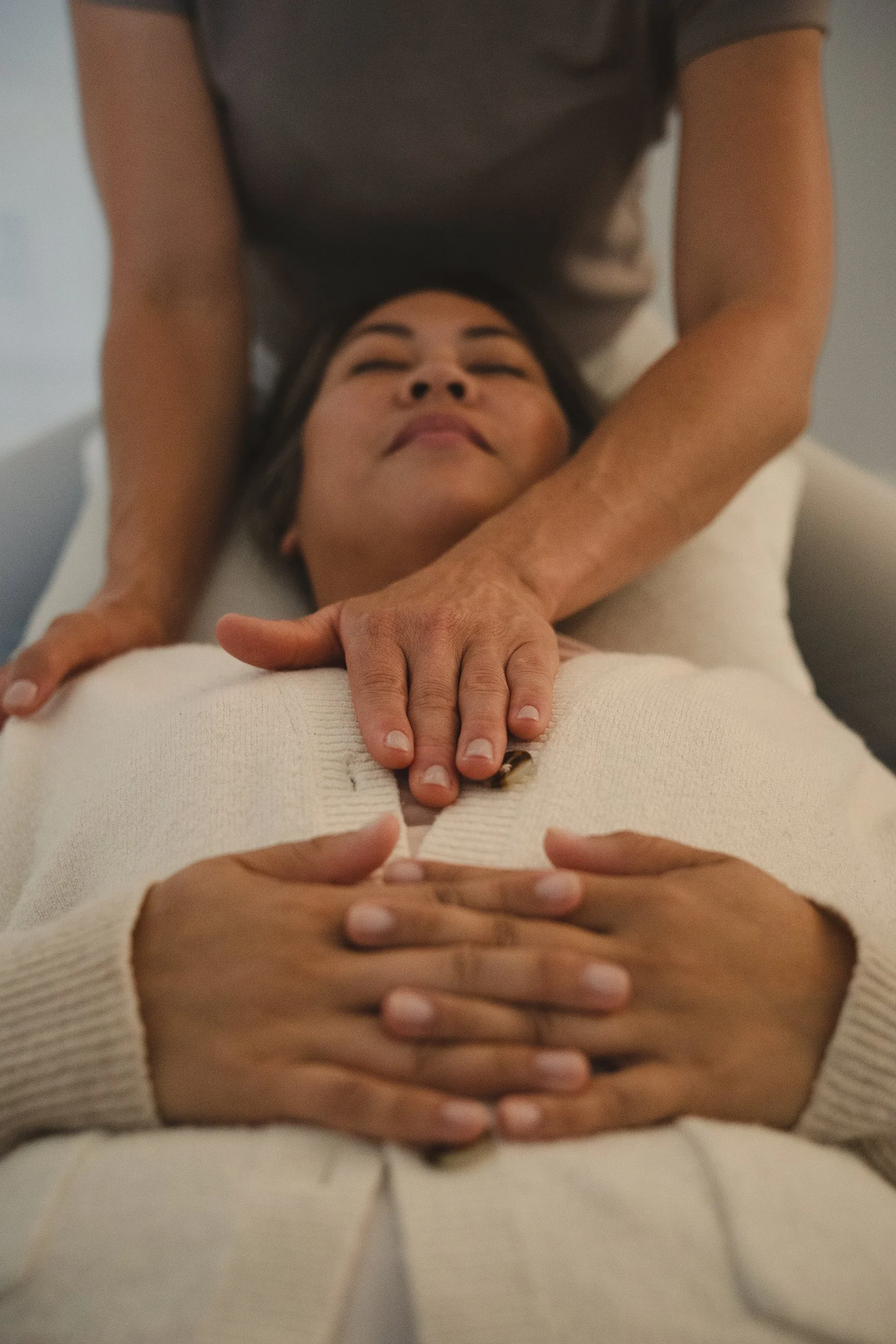
My work is informed by Bio-Geometric Integration (BGI), which treats the body as an interconnected system. A body stuck in readiness holds it everywhere: the breath, the shoulders, the jaw, the low back. Sessions are gentle and performed fully clothed, using Bio-Geometric Integration, craniosacral therapy, soft tissue work, gentle chiropractic care, and Reiki, and the aim is to help the whole system remember how to downshift. Many people describe the sessions themselves as one of the few times they fully let go, and, over time, as that state becoming easier to find on their own.
Between Sessions
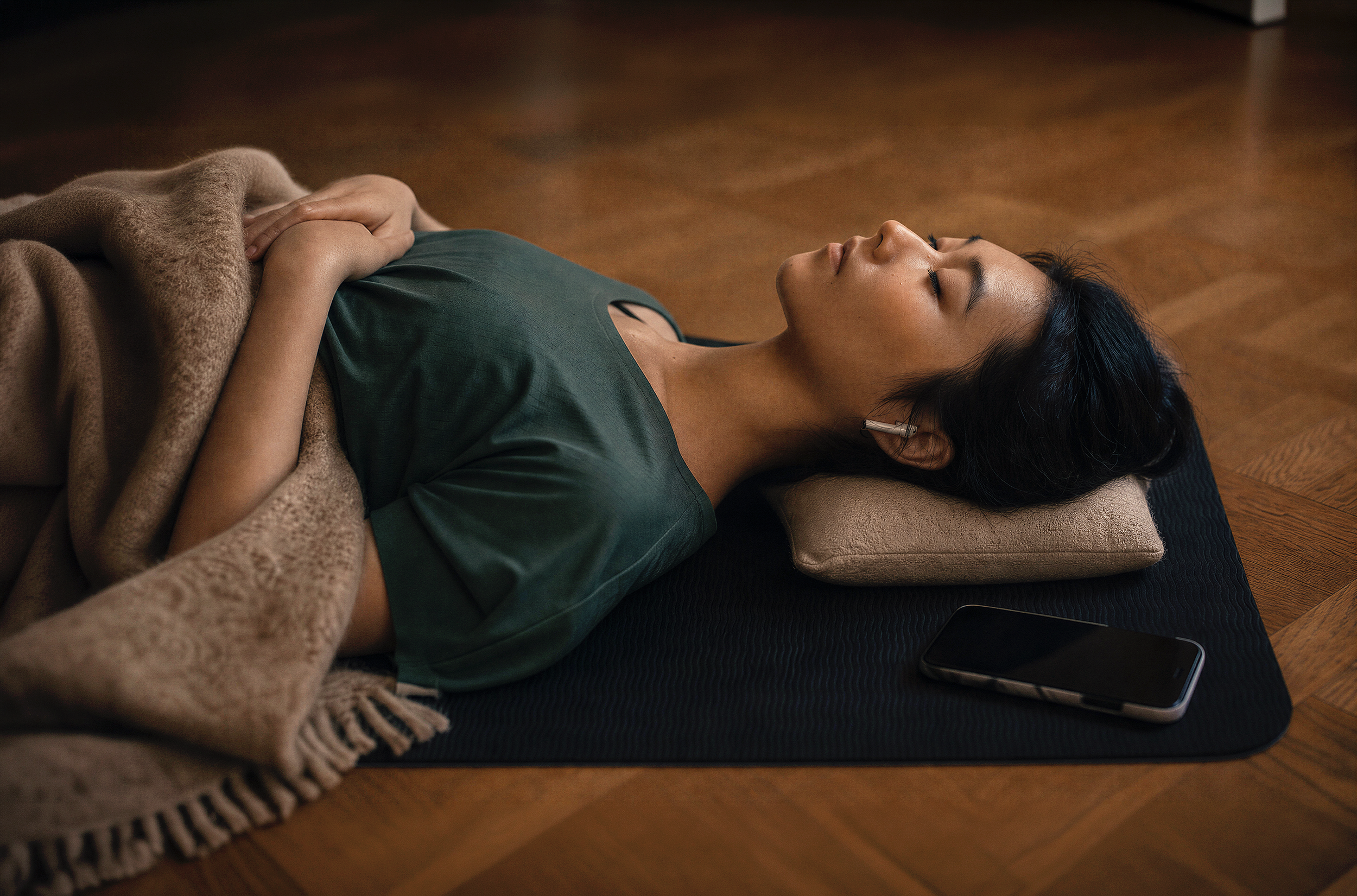
To help your baseline come down, build tiny experiences of rest into ordinary days rather than saving it all for time off. Take a real pause between tasks instead of sprinting from one to the next. Get outside and let your eyes rest on the distance. Practice slow breathing with a longer exhale, even for a minute. And protect a genuine wind-down at the end of the day. Guided deep-rest practices like Yoga Nidra are especially good at teaching the body to enter the settled state on purpose; you'll find short options in the Nervous System Library.
A Closing Invitation
If your body won't relax on vacation, it isn't failing. It's showing you how much it's been holding, and how long it's been since it last got to fully set that down.
The real work isn't learning to vacation harder. It's lowering the everyday baseline, so rest stops being a place you have to travel to reach.
If you're in Pleasant Hill, Walnut Creek, or elsewhere in the East Bay or San Francisco and you'd like support helping an over-worked system settle, you're welcome to schedule a session.
If you'd like a guided practice that teaches your body to find deep rest anywhere, Yoga Nidra at Home is a 27-minute practice you can return to any afternoon or evening.
Frequently Asked Questions
Why does it take me so long to relax on vacation?
A nervous system that has been running in a state of readiness for months doesn't drop out of it the moment the pressure lifts. Unwinding is gradual, and for many people it takes most of a week just to arrive. The lag usually reflects a high everyday baseline of activation rather than anything wrong with you.
Why do I get sick as soon as I go on vacation?
This common pattern, sometimes called leisure sickness, may partly reflect the way sustained activation holds off the body's slower maintenance work, including aspects of immune function. When activation finally drops, everything that was postponed can come due at once.
Does struggling to relax on time off mean something is wrong with me?
Not at all. It usually means your everyday baseline of activation is set high, so rest only becomes accessible after days of decompression. A well-regulated system settles more easily, which is something that can be developed.
How can I actually unwind faster on vacation?
Expect the first days to feel unsettled and don't fight it. Move gently, get outside, sleep when tired, and avoid over-scheduling. More lastingly, build small daily experiences of rest into ordinary life so your baseline lowers over time.
Can chiropractic help me relax?
A gentle, whole-body approach can help the nervous system move out of chronic readiness. Many people find that as physical bracing eases, rest becomes easier to access, not only on vacation but in everyday life.
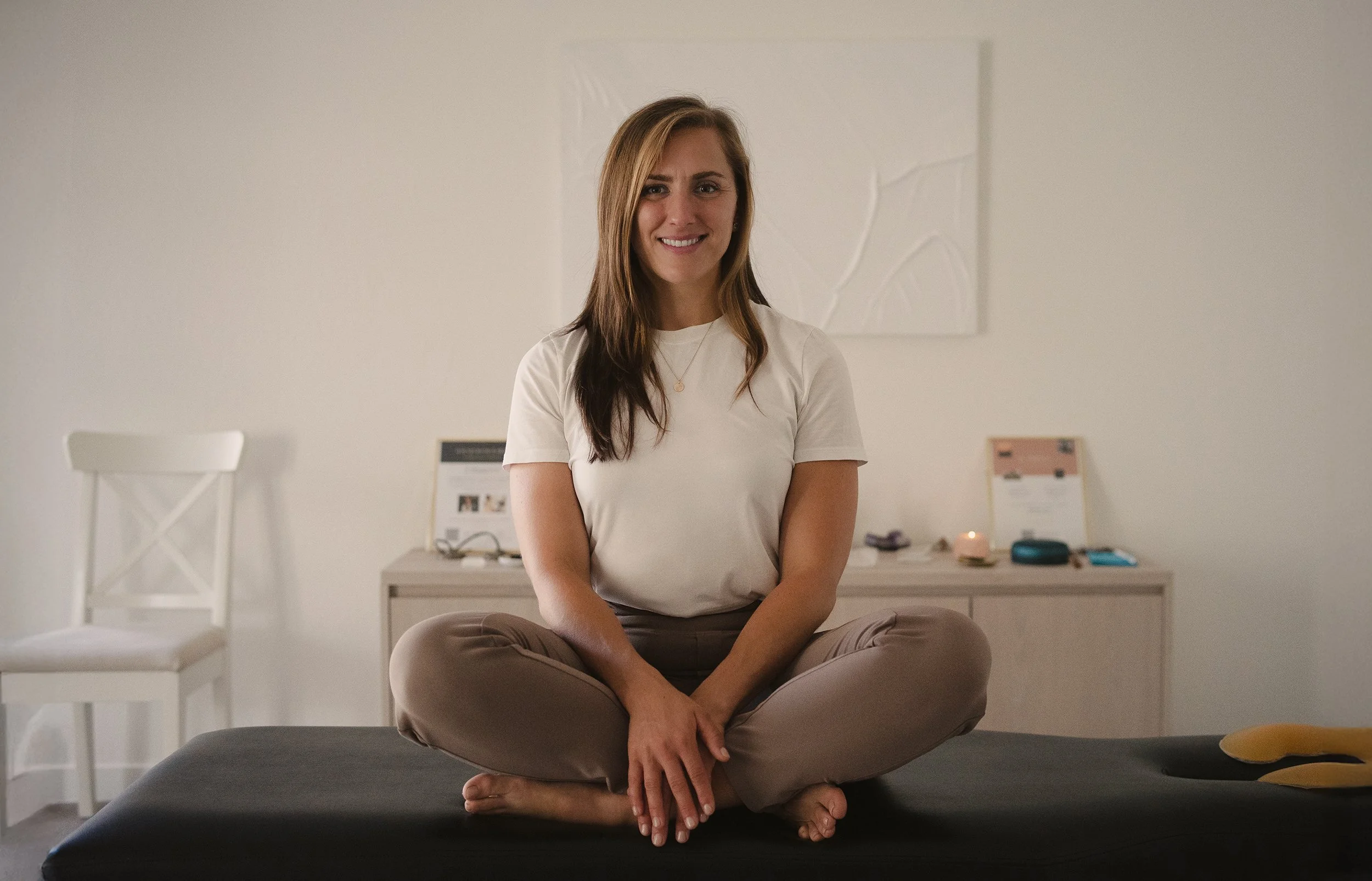
About Dr. Alandi Stec
Dr. Alandi Stec is a Doctor of Chiropractic and Reiki Master specializing in nervous system-centered healing approaches. She serves the Pleasant Hill and Bay Area athletic community through Life Force Chiropractic, combining Bio-Geometric Integration with craniosacral work and somatic practices to support athletes in discovering their body's innate capacity for optimal performance and resilience.
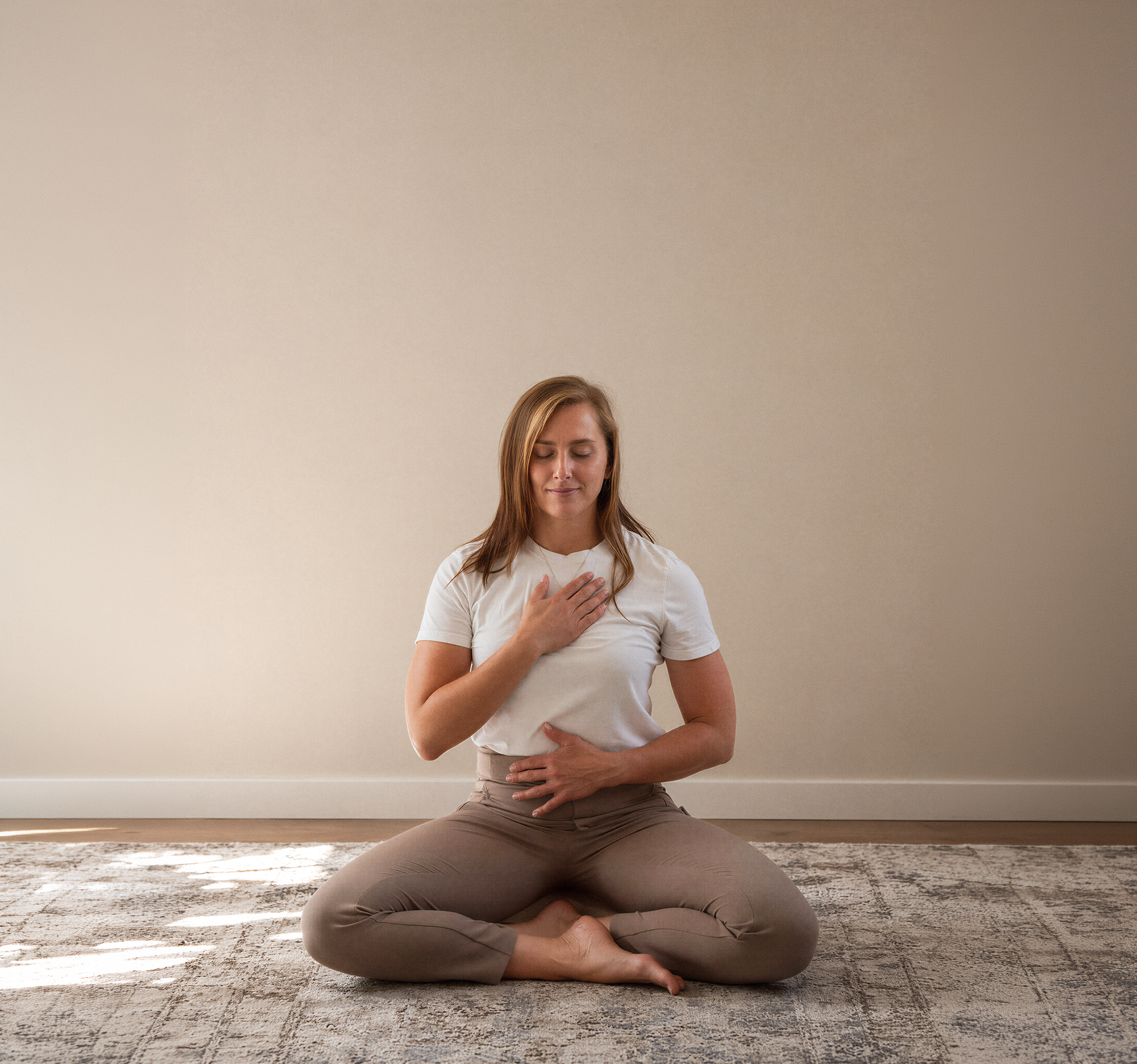
A FREE PRACTICE TO TAKE WITH YOU
Find Your Way Back to Center
A free guided meditation for settling the body and quieting the mind.
This 20-minute guided meditation offers a simple space to slow down, soften your attention, and reconnect with yourself. Return to it whenever life feels full, your mind feels busy, or you simply need a moment to pause.
Recorded by Dr. Alandi Stec and delivered to your inbox when you join the newsletter.