

What happens after you leave the chiropractic table?
You've received an adjustment, experienced hands-on care, and perhaps noticed something different in your body. Maybe there's greater ease in your movement, less tension through your shoulders, or a new awareness of how you've been holding yourself.
But then you return to your day.
You sit at your desk, navigate responsibilities, exercise, care for your family, and move through the familiar rhythms of life.
And this is where another meaningful part of the work begins. If you've ever wondered what to do between chiropractic adjustments, this is the heart of the answer.
Chiropractic care doesn't have to end when you step off the table. The awareness cultivated during an appointment can become something you carry into everyday life.
At Life Force Chiropractic, I see the relationship between hands-on care and personal practice as an important part of supporting the body.
One does not replace the other.
They are complementary ways of participating in our health and well-being.
Chiropractic Care Is More Than What Happens During an Adjustment
Chiropractic care often begins with a physical concern.
Perhaps you're experiencing neck tension, restricted movement, headaches associated with muscular discomfort, or a persistent sense of tightness through your back and hips.
These experiences may bring you into the office, but the body is more than the location of its symptoms.
Our movement patterns, daily habits, physical demands, and responses to stress all contribute to how we experience ourselves.
The nervous system plays an essential role in coordinating movement, processing sensation, and responding to our environment.
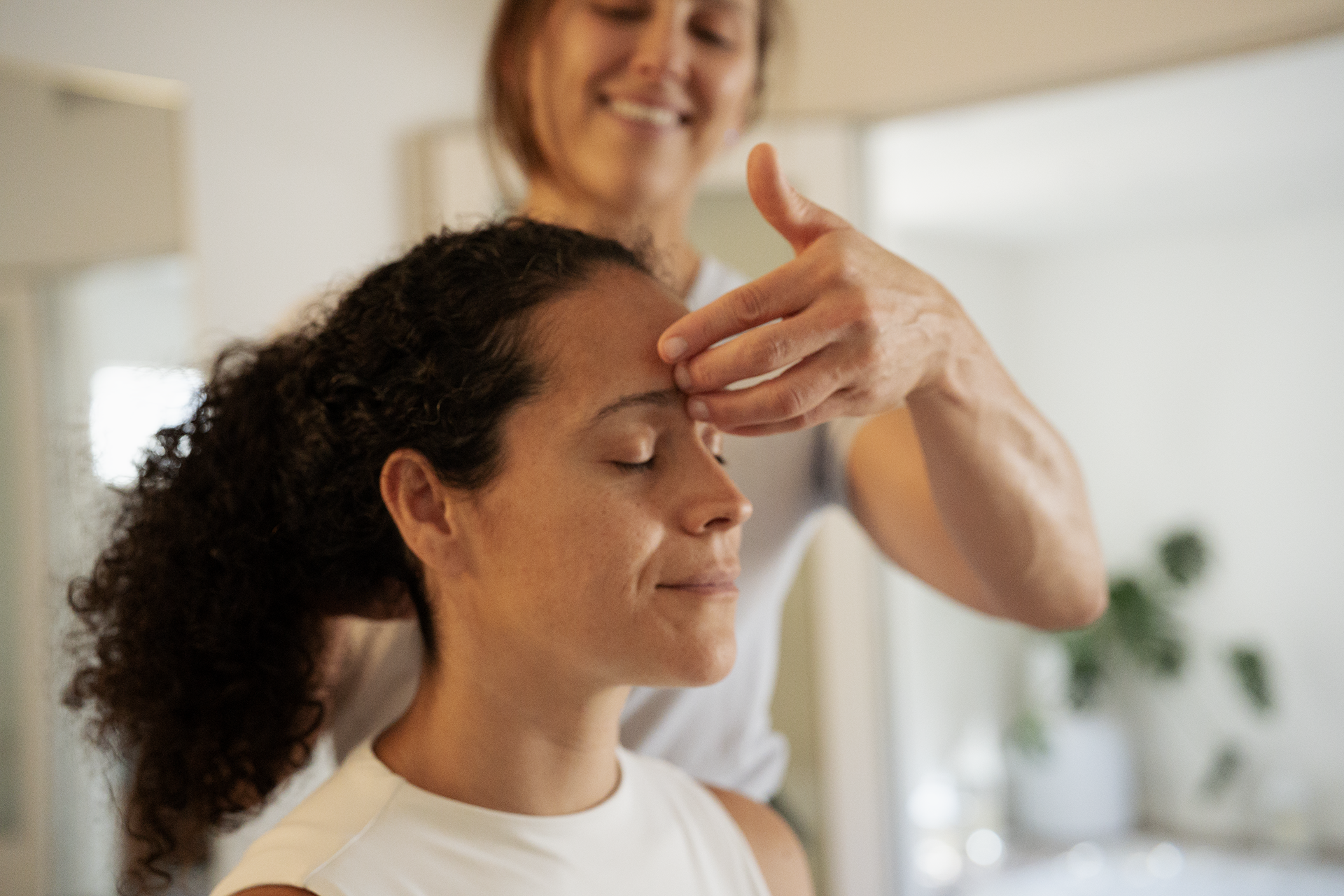
During an appointment, I consider these relationships through individualized assessment, chiropractic adjustments, gentle hands-on techniques, and attention to how the body responds.
The intention is to support musculoskeletal comfort and function while creating opportunities for greater body awareness.
But the body continues responding and adapting long after an appointment ends.
This is why I believe the work we do together can be supported by the practices you cultivate on your own.
What to Do Between Chiropractic Adjustments, and Why It Matters
Consider how much of your life happens outside the treatment room.
The way you sit, stand, move, breathe, sleep, exercise, and respond to daily demands all influence your physical experience.
An adjustment may help address certain areas of discomfort or restricted mobility, but it cannot replace the need for movement, adequate recovery, strengthening, or attention to habitual patterns.
For example, someone experiencing persistent shoulder tension may benefit from hands-on care while also learning to recognize when they elevate their shoulders during periods of concentration.
Someone with recurring lower back discomfort may benefit from chiropractic treatment alongside appropriate strengthening, movement variation, and changes to activities that aggravate their symptoms.
These practices support greater awareness and the body's capacity to respond to different demands. Perfect posture was never the goal, and neither is a body that never feels tension.
The intention is to participate in life with greater awareness of how your body moves, responds, and recovers.
The Nervous System and Our Everyday Patterns
Our nervous system is continuously responding to information from both inside and outside the body.
It helps coordinate physical activity, interpret sensory experiences, and regulate physiological responses to changing circumstances.
During periods of stress, we may notice changes in breathing, muscular activity, heart rate, or attention.
These responses are normal and often useful.
But when the demands of life are persistent, we may begin to experience patterns that feel less supportive.
Perhaps the jaw remains clenched long after a stressful conversation.
Perhaps the shoulders stay elevated throughout the workday.
Or perhaps we find ourselves feeling exhausted while simultaneously struggling to settle into rest.
These experiences may reflect the interaction of stress, habits, physical demands, sleep, and individual physiology.
And they offer opportunities for curiosity.
What happens in your body when you're rushing?
How does your breathing change when you're overwhelmed?
What do you notice when you allow yourself to pause?
Awareness is often the beginning of recognizing that we have choices in how we respond to our experiences.
From Passive Care to Active Participation
There is a distinction between receiving care and participating in care.
Both have value.
During a chiropractic appointment, you are receiving individualized hands-on treatment informed by your physical presentation, concerns, and goals.
Outside the office, you have opportunities to engage with your body through movement, rest, self-observation, and other supportive practices.
You aren't responsible for fixing every symptom on your own, and discomfort doesn't mean you haven't practiced enough. Your participation can simply become a meaningful part of a comprehensive approach to well-being.
I often think of the practices I share with patients as a form of homework: an invitation to explore what we've been working with during an appointment.
A few minutes of noticing your breathing.
A moment of recognizing unnecessary muscular effort.
A deliberate pause between one responsibility and the next.
Small practices can help us bring attention to patterns that might otherwise remain unnoticed.
And over time, this awareness can influence how we relate to our bodies.

Why I Created 12 Days of Nervous System Regulation
My interest in nervous system regulation extends beyond the chiropractic table.
As a chiropractor and Reiki Master, my work has continually brought me back to the relationship between physical experience, awareness, and the ways we inhabit our bodies.
I wanted to create something that could support people in exploring these relationships within their own lives.
Something accessible, that people could return to, and that didn't require an appointment to begin cultivating a deeper connection with themselves.
This intention became 12 Days of Nervous System Regulation, a self-paced online course designed to introduce practices that support awareness, intentional rest, and a more conscious relationship with the nervous system.
The course is a different kind of support from a chiropractic adjustment, and it doesn't replace individualized assessment, hands-on care, medical treatment, or other forms of professional support.
It offers another avenue for exploration. A way to engage with the body beyond the treatment room.
If chiropractic care is one opportunity to receive support, personal practice is an opportunity to participate in that support in everyday life.
Nervous System Regulation Is Not About Being Calm All the Time
One of the most common misunderstandings about nervous system regulation is that the goal is to remain relaxed.
But our bodies are not designed to exist in a constant state of calm.
We need activation to exercise, concentrate, navigate challenges, and engage meaningfully with the world.
The sympathetic and parasympathetic branches of the autonomic nervous system work together to help regulate our responses to changing demands.
Neither is inherently good or bad.
What matters is our capacity to respond appropriately to the circumstances we're experiencing and to have opportunities for recovery.
Practices involving breathing awareness, meditation, mindful movement, and intentional rest may help some individuals manage stress and develop greater awareness of their internal experience.
These practices don't guarantee a particular physiological state. They offer opportunities to become more familiar with our patterns and explore responses that feel supportive.
Regulation is the capacity to move through different experiences with adaptability.
Bringing the Work Into Your Everyday Life
One of the beautiful aspects of personal practice is that it doesn't have to be elaborate to be meaningful.
You don't necessarily need an hour of meditation or an entirely new morning routine.
Sometimes the invitation is simply to become more present with what you're already doing.
You might begin by noticing:
How your body feels when you first wake up
Whether you hold your breath during concentration
Where you habitually carry muscular tension
How your energy changes throughout the day
What helps you feel more settled after periods of activity
Whether you're allowing enough time for rest and recovery
These observations are a way of becoming familiar with your own experience, without judging your habits.
From there, you can begin experimenting with practices that support your needs.
Perhaps that means incorporating a few minutes of quiet awareness before beginning work.
Maybe it involves gentle movement between appointments or meetings.
Or perhaps it means recognizing when your body would benefit more from rest than from another task.
The practice is about becoming more aware of the person you already are and the body you inhabit.
How Online Nervous System Practices Complement Chiropractic Care
Chiropractic care and self-guided nervous system practices offer different forms of support.
Chiropractic treatment focuses on assessment and management of appropriate musculoskeletal concerns through individualized clinical care.
Practices such as meditation, breathing awareness, and intentional rest can support stress management, self-awareness, and aspects of general well-being.
Each can stand on its own. You don't need chiropractic care to benefit from greater body awareness, and you don't need an online course to benefit from appropriate chiropractic treatment.
Together, they may provide additional opportunities to explore how you care for yourself.
Creating a More Conscious Relationship With Your Body
One of the intentions underlying my work is to help people experience their bodies as more than something that needs to be corrected when discomfort arises.
Our bodies are continually communicating through sensation, movement, fatigue, effort, and the experience of ease.
Learning to recognize these experiences can help us make more informed choices about how we care for ourselves.
The aim is a relationship grounded in curiosity rather than criticism, without needing to monitor every sensation or constantly search for something to improve.
A relationship in which rest is valued alongside effort, and movement is an opportunity for exploration.
Receiving care and practicing self-care are both expressions of attention to our well-being.
The work includes what happens to the body, and how we learn to participate in the experience of being in our bodies.
Frequently Asked Questions
What should I do between chiropractic adjustments?
Notice your everyday patterns, such as where you hold tension, how you breathe when you concentrate, and how you sit and move through the day. Add gentle movement, prioritize rest and sleep, and follow any specific suggestions your chiropractor gives you.
What should I do right after a chiropractic adjustment?
Many people enjoy giving themselves a little unhurried time after a session: drinking water, taking a short walk, and noticing how the body feels. Ask your chiropractor whether any specific activities are best to avoid for the rest of the day.
Can I exercise between chiropractic adjustments?
In most cases, yes. Movement is an important part of supporting the body between visits. If an activity aggravates your symptoms, or you're returning to training after a break, talk it through with your chiropractor so your plan fits what your body needs.
How can I support my nervous system at home?
Short, regular practices tend to help most: a few minutes of breath awareness, gentle movement, intentional rest, and noticing where you hold effort. A guided program can give these practices structure.


Continue the Work Beyond the Table
At Life Force Chiropractic in Pleasant Hill, California, I offer individualized chiropractic care that considers the relationships between movement, musculoskeletal function, and body awareness, for clients from Walnut Creek, Lafayette, Concord and across the East Bay.
My intention is to support patients through hands-on care, and to encourage meaningful engagement with their bodies beyond our appointments.
For those interested in exploring this further, my self-paced online course, 12 Days of Nervous System Regulation, offers an accessible introduction to practices centered on awareness, rest, and intentional self-connection.
Whether you're currently receiving chiropractic care or simply interested in developing a more conscious relationship with your body, the course is an invitation to explore these practices in your own time and space.
Caring for yourself continues in the moments between appointments: in how you move, how you rest, and how you listen.
The chiropractic table may be one place where awareness begins. Your everyday life is where that awareness has the opportunity to become practice.
INHABIT YOUR BODY. IGNITE YOUR LIFE FORCE.
About Dr. Alandi Stec
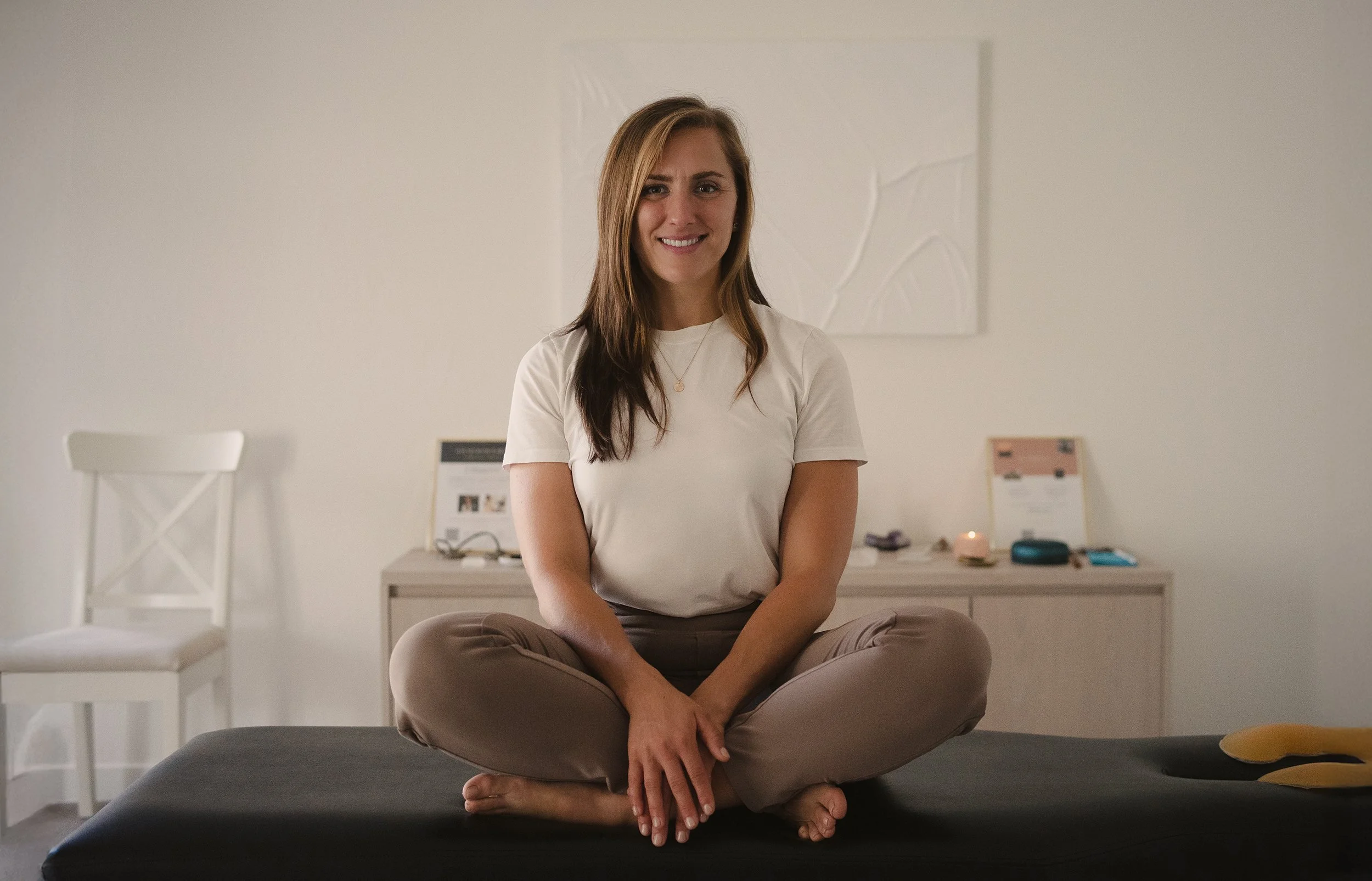
Dr. Alandi Stec is a Doctor of Chiropractic and Reiki Master specializing in nervous system-centered healing approaches. She serves the Pleasant Hill and Bay Area athletic community through Life Force Chiropractic, combining Bio-Geometric Integration with craniosacral work and somatic practices to support athletes in discovering their body's innate capacity for optimal performance and resilience.

Keep the conversation going.
Each month, The Regulating Rhythm brings a free reflection to your inbox, and paid subscribers receive a new practice to help the nervous system settle.
Keep Exploring
Book your next session: schedule a visit in Pleasant Hill.
Practice at home: 12 Days of Nervous System Regulation offers a short guided practice for each of its twelve days.
A new practice each month: The Regulating Rhythm is my monthly note to support your nervous system, on and beyond the table. Join on Substack and receive my 20-minute guided meditation, Find Your Way Back to Center, on me.
Read next: Why Am I Always So Tight? and Hip Release for Lower Back Pain.