
Summer Stress Is Real: How Your Nervous System Handles the Season of "Go"

Summer is sold as the season of rest. For most adults, it isn't.
The calendar fills with weddings, BBQs, travel, family visits, and the constant low-key pressure to "make the most of the weather." The kids leave their school routines, which dissolves the structures that held the rest of the year together. The heat raises baseline cortisol. Long daylight pushes back bedtime. By mid-July, a lot of people are running hotter than they were in February, and feeling guilty about it because summer is "supposed to" be the easy part.
This is the gap most wellness content misses. The cultural framing of summer is restorative, slow, joyful. The lived experience for many adults is closer to a marathon with no off-ramp, run in the heat, while smiling for the photos.
If your body has been telling you this for a while and you've been talking yourself out of it, it's worth taking the body seriously.
What Summer Actually Asks of Your Nervous System
The cultural framing of summer is rest, vacation, relaxation. The reality, for most adults, is something different. Summer is one of the most physiologically and socially demanding stretches of the year, and almost nothing about that gets named in wellness content.
More light.
Longer days mean your circadian rhythm shifts. Cortisol stays elevated later. Melatonin production gets pushed back. People are going to bed at 10:30 with the sun barely down and wondering why sleep isn't coming.
More heat.
This isn't just discomfort. Heat is a literal cardiovascular load. Your body has to work harder to regulate temperature, which raises baseline activation. In Pleasant Hill, Walnut Creek, Concord, and across the East Bay, where summer regularly runs 95 to 105 degrees, the cumulative effect on the nervous system is real.
More social demand.
Pool parties. Weddings. Family visits. Friends "in town for the week." The unspoken pressure of "let's get together while the weather's nice." The number of social touchpoints in your calendar in July is often double what it was in February, and your nervous system feels every one of them.
More schedule disruption.
Kids out of school changes the daily rhythm. Travel disrupts sleep, eating, and routine practices. Camp drop-offs and pickups don't match work hours. The structures that hold a system regulated the rest of the year start dissolving.
More body exposure.
Lighter clothing, swimsuits, shorts. For people who carry body image stress, summer is a season of sustained vigilance. Even people who don't usually struggle with this may notice a low hum of self-monitoring that wasn't there in November.
More planning load.
Vacations don't plan themselves. Childcare patchwork in summer is a part-time job. Travel logistics, packing, pet sitters, work coverage. Executive function is working overtime before the trip even starts.
That's the actual landscape. None of it is unusual. All of it adds up.
The "But It's Summer" Guilt Loop
Here's what makes summer stress particularly hard to name. The cultural assumption is that this is the easy season.
Someone tells a friend they're tired and the friend says, "But it's summer!" Someone mentions feeling overwhelmed and gets back, "Must be nice, taking it easy." A person thinks about canceling plans and feels guilty because they "should" be making the most of these months.
So they push. They go to the BBQ. They do the trip. They smile at the cousin's wedding even though they're already running on three hours of sleep from the heat the night before.
And then, on top of the actual nervous system load summer is putting on the body, a layer of guilt gets added for not being able to enjoy it the way they're "supposed" to. The guilt itself becomes its own dysregulator. Depleted and judging yourself for being depleted.
This is the loop that quietly breaks people in late July. (If this experience sounds familiar, the tired but wired pattern is often what's happening underneath, and it can show up especially intensely in summer.)
How This Lives in the Body
The summer version of nervous system overload tends to show up in specific ways.
Sleep gets fragmented.
Falling asleep happens later because the sun was up at 8:30. Waking up happens at 5:30 because it's already light. Middle-of-the-night wake-ups arrive more often, often pegged to a slightly too-warm room or a sound from outside.
Shoulders live up by the ears.
Especially walking into social events. Especially in crowds. Especially in noise.
Chest gets buzzy and tight at gatherings.
Even ones the person actually wants to be at. The body is reading the level of stimulation as something to brace against, even when consciously they're glad to be there.
Headaches show up more.
Heat plus dehydration plus loud environments plus disrupted sleep is a four-way cocktail that the body usually answers with a head.
Patience runs short.
Small things feel bigger. The kids feel louder than they did in February. Traffic feels more aggressive. Snapping at a partner over the dishwasher loading order. None of this is character. It's a nervous system without enough buffer left.
The jaw clenches.
Especially during the night. Especially in the mornings. Especially after the third week of constant activity.
If several of these feel familiar and the experience of "summer doing this to me" feels a little crazy, it isn't. The body is processing more inputs than usual, often with less rest than usual, in a season that isn't giving permission to be tired.
What Doesn't Help
Most of the standard summer wellness advice misses the actual pattern.
"Just slow down."
Easy to say without three kids out of school, two weddings on the calendar, and a parent visiting from out of town for ten days. The slow-down advice usually comes from people who can actually slow down, and it lands as another thing to fail at.
"Take a vacation."
Vacations are often the most stressful part of summer. Travel logistics, disrupted sleep, group dynamics, kids in unfamiliar environments, returning to a flooded inbox. Many people come home from "vacation" more depleted than when they left.
"Get outside more."
When the body is already overstimulated by light, heat, and noise, more outdoor exposure isn't always the regulating intervention people think it is. Sometimes a dim, quiet room is what the system actually needs, even on a beautiful July afternoon.
"Practice gratitude."
The framing of "you have so much to be grateful for" can become its own pressure when someone is depleted. The body doesn't need to be talked into gratitude. It needs to discharge accumulated activation.
The gap in all of this is the same. Most summer wellness advice is built on the assumption that the season is intrinsically restorative and you just need to access it correctly. The truth is that summer is often a high-load season, and what the nervous system actually needs is the same thing it needs in any high-load season. Real rest. Structural support. Permission to need less.
What Actually Supports a Nervous System in the Season of "Go"
The interventions that work in summer are mostly the same ones that work any time the body is carrying too much. The framing changes a little, the implementation gets more creative, but the underlying needs are consistent.
Anchor practices that don't require ideal conditions.
Five minutes in the morning before the household wakes up. Three slow breaths before getting out of the car at the next event. A body scan in the bathroom at the BBQ. The practices have to be small enough to survive a disrupted summer schedule, or they won't happen at all.
Real rest, not just downtime.
Scrolling on the couch isn't rest. Watching a show with the news headlines flashing in peripheral vision isn't rest. Real rest is closer to lying in a dim room without input. Yoga Nidra is one of the most effective tools for this, especially in summer, because it gives the nervous system a structured way into deep rest that doesn't require a quiet environment or hours of free time. Twenty to thirty minutes of Yoga Nidra during the hot part of the afternoon can do more than two hours of "trying to relax."
Permission to need quiet during a noisy season.
Skipping the third event of the week is allowed. Leaving the BBQ at 4 instead of 7 is allowed. Taking a half-day off when nothing is technically wrong is allowed. The cultural script of summer says you should be doing more, not less, and that script often hurts people who are already at capacity.
Structural support if the bracing is held in tissue.
Sometimes the summer body buzz isn't just about this season. It's about a year of accumulated activation that didn't get to discharge, and summer is the breaking point. When that's the case, daily practice often isn't enough on its own. The body needs hands-on care that can reach the layers of held tension that have been building since last fall.
Discharge between events.
This is the one most people miss. The transitions matter. Five minutes alone between social commitments. The drive home with the music off. A short walk between work and the family dinner. The nervous system needs the in-between moments to integrate what just happened before the next thing arrives.
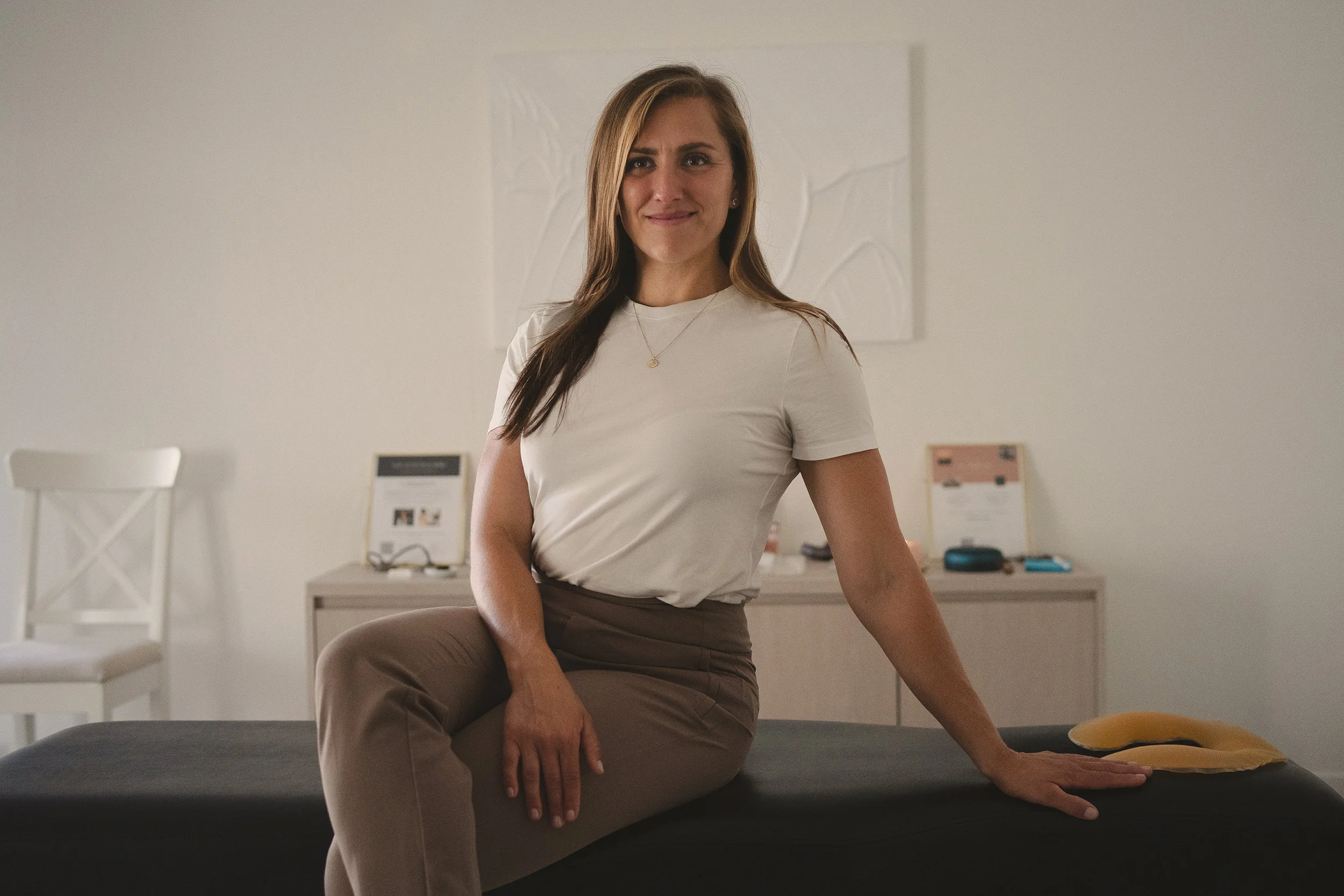
This Practice Through the Summer
In the Pleasant Hill office, summer brings a particular kind of client. The person who's been holding it together through the school year, who thought summer was going to be the rest, and who hit June and realized this season is asking just as much of them as the last one did.
The work is the same as it is any other season. Gentle, tissue-based, nervous-system-centered. What shifts in summer is the rhythm. Sessions tend to focus more on discharge than on structural change, because what bodies often need in this season is somewhere safe to put down what they've been carrying.
The post-session feedback is often the same. Better sleep that night. The next afternoon's social event easier to be present at. Shoulders not riding up the next time the kids start fighting. More yawning during the day in the days after a session, which is usually a sign that the parasympathetic system is finally getting room to do its work.
For people in Pleasant Hill, Walnut Creek, Lafayette, Concord, Orinda, or anywhere across the East Bay, this kind of care can be especially useful in summer. Not because anything is wrong, but because the season is genuinely demanding and the body deserves real support to meet it.
For people not in the area, the equivalent is finding a gentle, nervous-system-centered practitioner locally, plus building a structured daily practice that can be sustained through travel and disruption.
Frequently Asked Questions
Is it normal to feel anxious in summer?
Yes, more than the cultural framing of summer suggests. The combination of disrupted sleep from longer daylight, heat as a physiological load, increased social demand, schedule changes, and "summer body" pressure all add up to a real nervous system load. Mental health professionals have started using the term "summer anxiety" specifically to name this pattern. If your version of summer feels harder than it "should," your experience is real and the physiology underneath it is well-documented.
Why do I sleep worse in summer?
Several reasons compound. Longer daylight pushes melatonin production back, making it harder to fall asleep at the usual time. Higher temperatures interfere with the body's natural cooling that supports deep sleep. Disrupted routines from travel and kids out of school remove the consistency sleep depends on. And if you're already running with a dysregulated nervous system, the added load can tip you into more frequent night wake-ups. Most of this is reversible with consistent regulation work, but in the meantime, expect that summer sleep takes more intentional support than spring or fall sleep.
How can I regulate my nervous system in hot weather?
Cool environments are themselves a form of regulation. A dim, cool room in the middle of the afternoon can do real work, especially during a heat wave. Cold water on the face or wrists activates the diving reflex, which is one of the fastest ways to slow heart rate and signal calm. Hydration matters more than people think. Keeping daily nervous system practices short and consistent through the season holds you better than any single hot-weather hack.
What if I love summer but my body doesn't seem to?
Both can be true. You can genuinely love a season and still be physiologically taxed by it. Loving summer doesn't mean your nervous system has unlimited capacity for the demands of summer. The work isn't to talk yourself out of loving the season. It's to give your body the support it needs to enjoy summer without depleting underneath the enjoyment.
Is summer burnout real?
Yes. Burnout isn't season-specific, and summer is a particularly common time for long-running burnout to surface. People often hold it together through the structured spring, expect summer to be the rest, and then collapse when summer turns out to ask more of them than they had left. Severe exhaustion, lost interest in things you usually enjoy, irritability, or a sense of running on empty that won't lift are signals worth taking seriously.
How do I support my nervous system during travel?
Bring your daily practice with you, even in compressed form. Five minutes of guided audio before bed in a hotel room is more useful than promising yourself you'll do an hour-long practice when you get home. Build in transition time before and after the trip. Don't fly home on the same day as a big meeting. If you're traveling with family, claim small windows of solo time. Even ten minutes alone in the bathroom counts as nervous system support when you're sharing a vacation rental with seven people.
A Different Way Through Summer
If summer has been quietly breaking you for years and you've never quite let yourself name it, you're allowed to name it now.
The season is demanding. Your body is responding the way bodies respond to a high-load stretch. There's nothing wrong with you for being tired in July.
What helps is real support, not pushing through.
If you're in the East Bay and you've been carrying summer like another full-time job, you're welcome to book a session at the Pleasant Hill or San Francisco office. The work is gentle, presence-based, and especially supportive for the kind of accumulated activation that summer surfaces.
If you'd like to start with a free introduction to this kind of practice, the 5-Day Mindful Reset Guide is available through June 30 with newsletter signup. Five short guided practices, Dr. Alandi's voice, no cost. A useful starting point as the season picks up.
For deeper structured support that travels well, the 12-Day Nervous System Regulation course is $50 for lifetime access. Daily guided practices that can happen in a hotel room, a parked car, or before the kids wake up.
For the specific summer-sleep and afternoon-rest layer, the Yoga Nidra at Home practice ($35) teaches the body what conscious rest feels like, without the pressure to fall asleep.
The body knows how to settle. Sometimes the right kind of support, in the season that's asking the most, is exactly what makes the difference between a summer that depletes you and a summer that meets you.
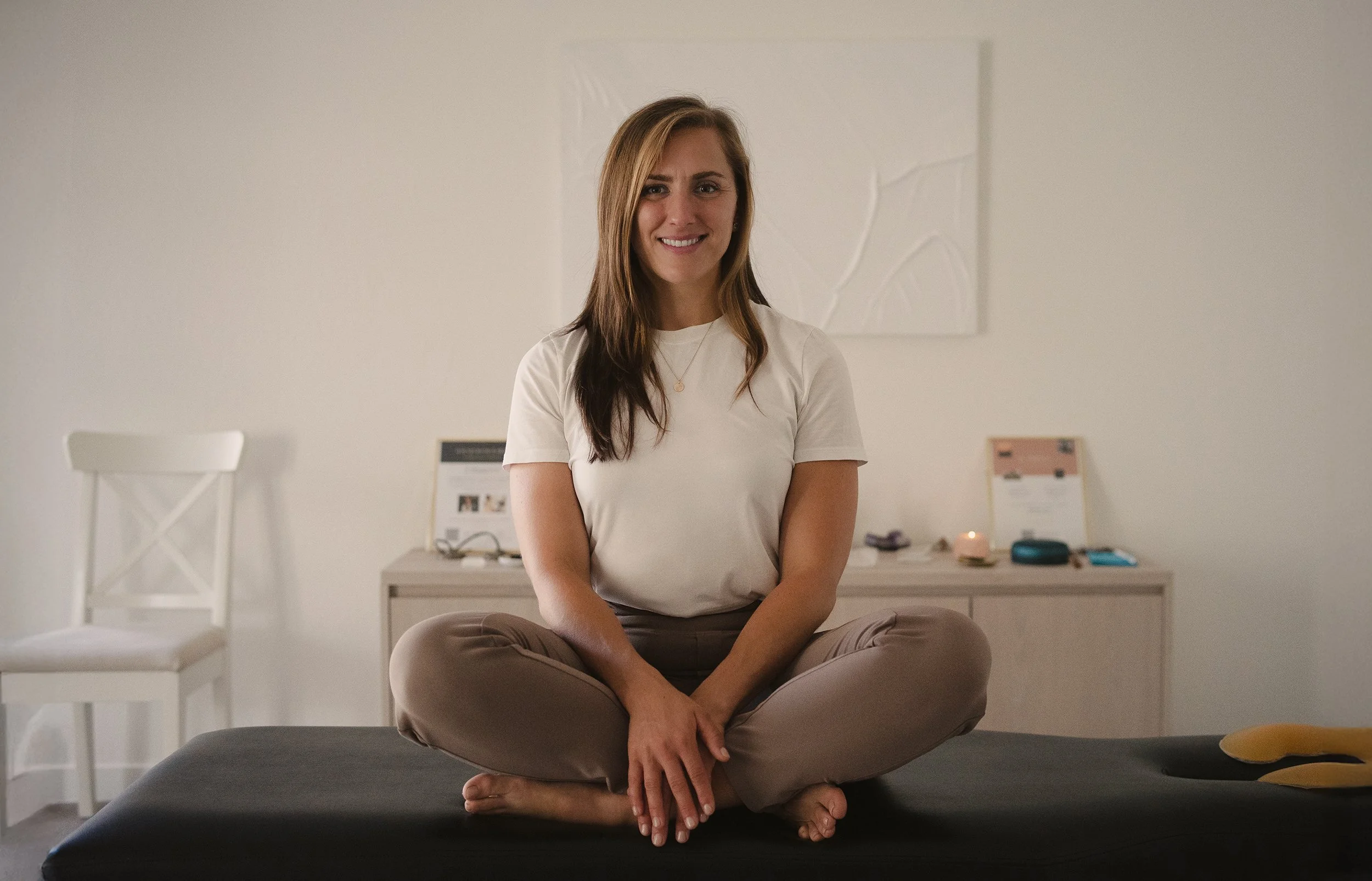
About Dr. Alandi Stec
Dr. Alandi Stec is a Doctor of Chiropractic and Reiki Master specializing in nervous system-centered healing approaches. She serves the Pleasant Hill and Bay Area athletic community through Life Force Chiropractic, combining Bio-Geometric Integration with craniosacral work and somatic practices to support athletes in discovering their body's innate capacity for optimal performance and resilience.