
Wrist Pain and Carpal Tunnel Symptoms From Typing All Day: Why the Problem May Not Be Starting at Your Wrist

For many people, wrist pain begins subtly. A little stiffness after a long day of typing. A mild ache while using the mouse. A feeling that your hands tire more quickly than they used to. Maybe occasional tingling in the fingers, or a sense that your grip isn't quite as strong.
At first, it's easy to ignore. Then the symptoms become more consistent. You notice numbness when you wake up. Your wrist bothers you during meetings. Typing becomes uncomfortable. You find yourself shaking out your hands throughout the day, hoping the sensation will go away.
For many people working in tech, these symptoms eventually raise a familiar concern:
"Am I developing carpal tunnel syndrome?"
Sometimes the answer is yes. But one of the biggest misconceptions about wrist pain and carpal tunnel symptoms is that the problem always begins at the wrist. Often, it doesn't.
The Wrist Is Part of a Much Larger System
When symptoms show up in the hand or wrist, it's natural to focus there. That's where the discomfort is.
But the nerves, muscles, tendons, and connective tissues that influence the hand don't begin at the wrist. They travel through the forearm, elbow, upper arm, shoulder, chest, and neck, and ultimately originate from the cervical spine. The body functions as a connected system.
This is one reason two people can have nearly identical wrist symptoms with very different underlying causes. One person may have irritation at the wrist itself. Another may have tension patterns through the neck, shoulder, and chest that create stress on the nerves long before they reach the hand. The symptoms can feel the same. The pattern underneath may be entirely different.
What Happens During a Day of Typing
Most technology professionals spend thousands of hours a year interacting with keyboards, trackpads, mice, and phones. The movements themselves aren't necessarily problematic. The challenge is repetition.
Typing requires small muscles to perform the same actions over and over. The wrists often stay in relatively fixed positions. The shoulders stay forward. The elbows rarely move through their full range. Over time, the body adapts: the forearm muscles become chronically active, the connective tissues around tendons become less mobile, the shoulders and chest organize around prolonged computer work, and the nervous system learns to hold these positions as normal. What begins as adaptation can eventually become irritation.
Understanding Carpal Tunnel Syndrome
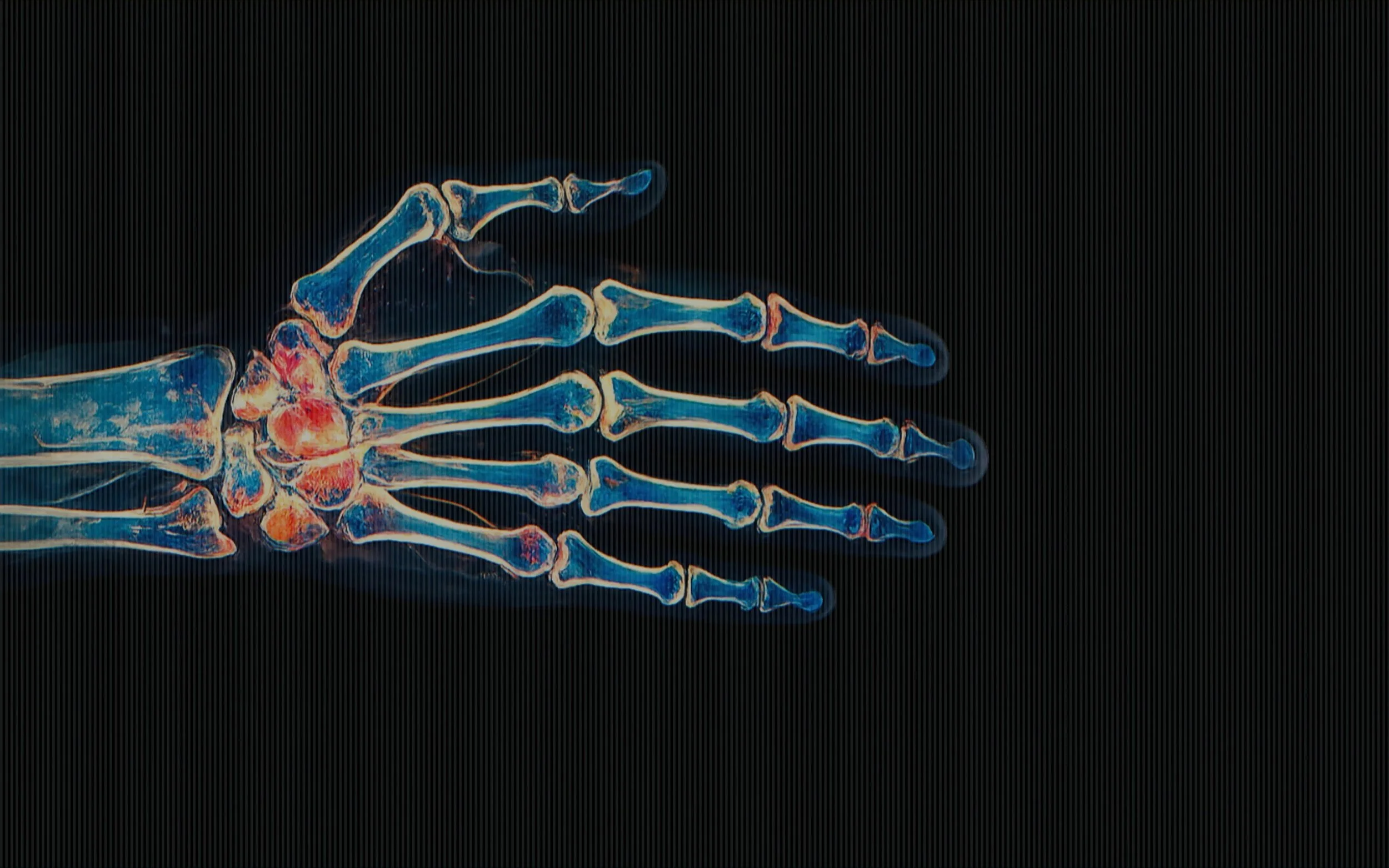
Carpal tunnel syndrome occurs when the median nerve becomes compressed as it passes through a narrow space in the wrist called the carpal tunnel. Common symptoms include numbness in the thumb, index finger, middle finger, and part of the ring finger; tingling in the hand; weakness in grip strength; symptoms that worsen at night; and pain that travels into the forearm.
These symptoms are real and can become quite disruptive. If you're experiencing them, it's worth having them properly evaluated by a healthcare professional who can determine what's actually going on.
What's often missed, however, is that compression at the wrist may not be the only factor influencing the nerve. Nerves are designed to glide and move throughout the body. Restrictions elsewhere along the pathway can create additional tension on the system. A nerve already irritated at the wrist may become even more sensitive when the neck, shoulder, chest, or forearm contribute additional stress. This is one reason some people continue experiencing symptoms even after focusing extensively on the wrist itself.
Why Wrist Pain Isn't Always Carpal Tunnel
Not all wrist pain is carpal tunnel syndrome. Many people working at computers experience symptoms involving muscular tension, tendon irritation, fascial restriction, or nerve sensitivity without meeting the criteria for true carpal tunnel syndrome.
The forearm is one of the most overlooked regions of the body. The muscles that control your fingers originate there, and every email, spreadsheet, design file, and line of code asks these tissues to perform thousands of small repetitions. Over time they can become tight, fatigued, and less mobile, which can feel remarkably similar to nerve compression. This is why an accurate understanding of the pattern matters. Different causes often require different solutions, which is another reason a proper evaluation is worthwhile.
The Hidden Role of the Shoulders and Chest
One of the most common findings in people experiencing wrist and hand symptoms is tension higher up the chain. The shoulders drift forward. The chest becomes restricted. The neck becomes tight. The upper body gradually organizes around computer work. (This upper-body pattern has its own article: Why Your Neck Hurts After a Day at the Computer.)
When this happens, the nerves traveling into the arm can lose some of their natural freedom to move. Imagine a garden hose kinked in several places: water doesn't flow as easily, and the problem isn't necessarily located where the water stops. The nervous system works similarly. Restrictions through the chest, shoulder, and neck can influence what someone feels in their hand. This doesn't mean the wrist isn't involved. It means the wrist may not be working alone.
Why Stress Can Influence Wrist Symptoms
Most people don't associate wrist pain with stress. Yet the nervous system plays a significant role in how symptoms are experienced.
When the nervous system shifts into a more activated state, muscle tone throughout the body increases. The shoulders become tighter. The forearms become more active. Recovery becomes less efficient. Many people notice symptoms worsening during periods of increased workload, deadlines, or prolonged concentration. Part of this is mechanical (more work means more typing). Part of it is physiological: the whole system is carrying more load, and the body responds accordingly.

How I Work With Wrist Pain and Carpal Tunnel Symptoms
Many people arrive expecting treatment to focus entirely on the wrist. Sometimes it does. More often, the wrist is part of a larger conversation.
My work is informed by Bio-Geometric Integration (BGI), which views the body as an interconnected system rather than a collection of isolated parts. When someone comes in with wrist pain, numbness, tingling, or carpal tunnel symptoms, I'm interested in more than the wrist itself. How is the neck moving? What's happening through the shoulders? How mobile is the rib cage? Where is the body carrying unnecessary tension?
Sessions are gentle and performed fully clothed. Using a combination of Bio-Geometric Integration, craniosacral therapy, soft tissue work, gentle chiropractic care, and Reiki, I work with the tissues and patterns that may be contributing. Often the work begins far from where symptoms are felt: a restriction through the chest influencing the arm, a shoulder pattern affecting nerve mobility, a neck pattern contributing to symptoms in the hand.
As the larger system reorganizes, many people notice changes beyond the wrist. The shoulders relax. Breathing becomes easier. The arms feel lighter. The goal isn't simply reducing symptoms. It's helping the body regain options it may have lost.
Practices That Can Help Between Sessions
If shoulder tension has become a regular part of your workday, a few simple practices can help interrupt the pattern.
Changing positions frequently is one of the most effective. The body tolerates posture far better than it tolerates staying in one posture for hours. Walking breaks help restore movement through the spine, rib cage, and shoulders while giving the nervous system a brief shift out of sustained focus. Regularly moving your arms through larger ranges of motion, reaching overhead, and gentle mobility work remind the shoulders what they were designed to do. And pay attention to your breathing: if your breath lives primarily in your upper chest, your shoulders may be working much harder than they need to.


A Closing Invitation
If you're experiencing wrist pain, numbness, tingling, or carpal tunnel symptoms, there's a good chance the story is bigger than the wrist alone. The symptoms may reflect years of repetitive computer work, compensation patterns through the upper body, accumulated tension, and nervous system adaptation.
The good news is that the body is capable of change. The same system that learned these patterns can learn new ones.
If you're in Pleasant Hill, Walnut Creek, or elsewhere in the East Bay or San Francisco and you're looking for a different approach to wrist pain or carpal tunnel symptoms, you're welcome to schedule a session.
If you're outside the area, 12 Days of Nervous System Regulation offers daily guided practices to help your whole system settle out of a chronically activated state.
Frequently Asked Questions
Can typing all day cause wrist pain?
Yes. Repetitive typing, mouse use, and prolonged computer work can contribute to muscular tension, tendon irritation, nerve sensitivity, and other wrist-related symptoms.Can stress cause shoulder pain?
Yes. Stress often increases muscle tone throughout the neck and shoulders. Many people notice shoulder tension increasing during periods of heightened demand, even when their physical activity hasn't changed.
How do I know if I have carpal tunnel syndrome?
Common symptoms include numbness, tingling, weakness, and discomfort involving the thumb, index finger, middle finger, and part of the ring finger. A healthcare professional can help determine whether carpal tunnel syndrome is present.
Can neck problems cause hand numbness?
Yes. Nerves that travel into the hand originate in the neck. Restrictions or irritation higher up the chain can sometimes contribute to symptoms in the arm, wrist, or hand.
Can chiropractic help carpal tunnel symptoms?
In some cases, yes. A whole-body approach may help address compensatory patterns, nerve mobility, posture, and tension that contribute to symptoms.
Why do my hands go numb while sleeping?
Hand numbness at night can occur for several reasons, including wrist compression, nerve irritation, sleeping position, and tension patterns throughout the upper body. A proper evaluation can help determine the most likely cause.
About Dr. Alandi Stec
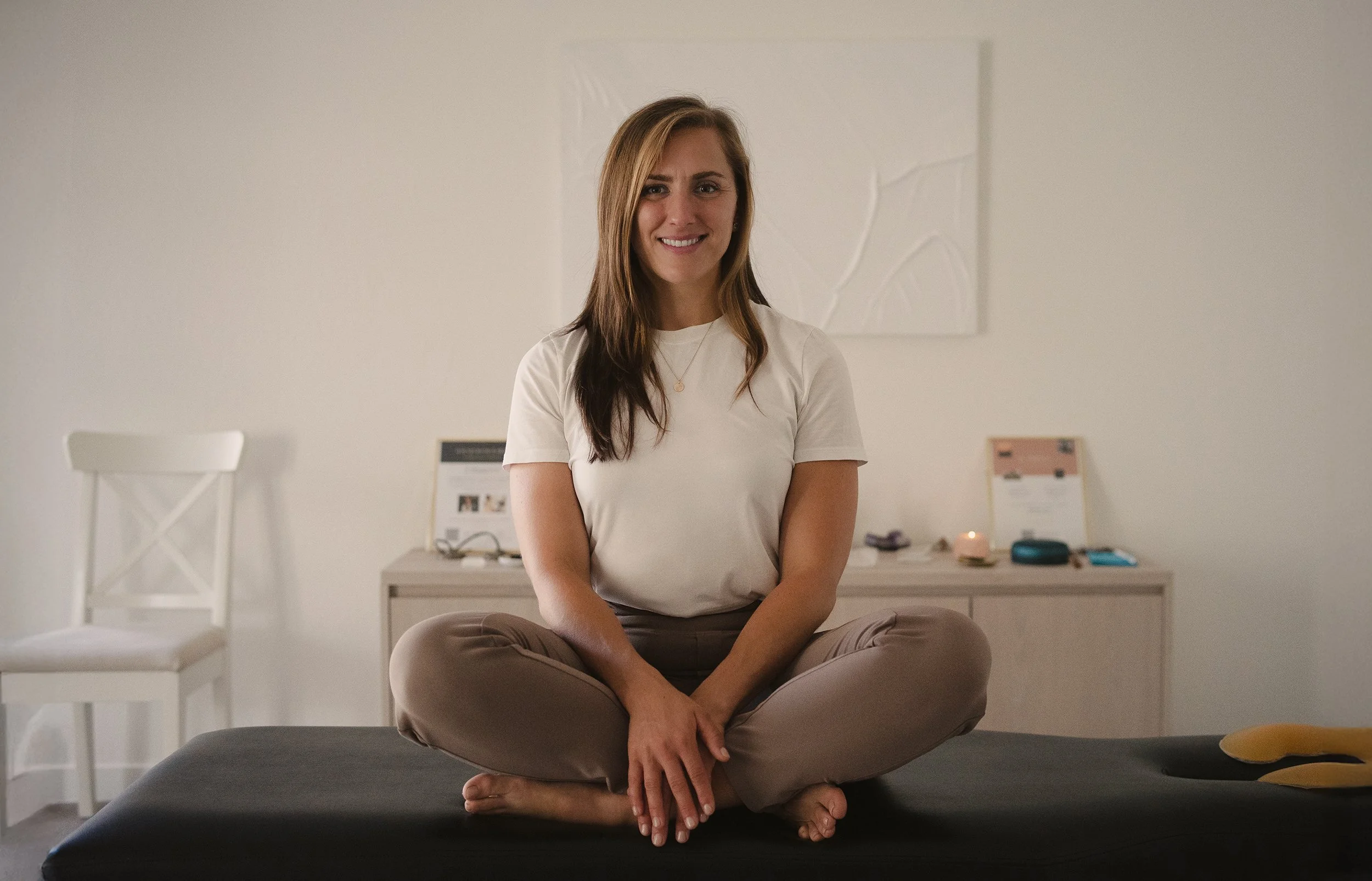
Dr. Alandi Stec is a Doctor of Chiropractic and Reiki Master specializing in nervous system-centered healing approaches. She serves the Pleasant Hill and Bay Area athletic community through Life Force Chiropractic, combining Bio-Geometric Integration with craniosacral work and somatic practices to support athletes in discovering their body's innate capacity for optimal performance and resilience.

A FREE PRACTICE TO TAKE WITH YOU
Find Your Way Back to Center
A free guided meditation for settling the body and quieting the mind.
This 20-minute guided meditation offers a simple space to slow down, soften your attention, and reconnect with yourself. Return to it whenever life feels full, your mind feels busy, or you simply need a moment to pause.
Recorded by Dr. Alandi Stec and delivered to your inbox when you join the newsletter.