
Shoulder Pain From Desk Work: The Upper Cross Pattern
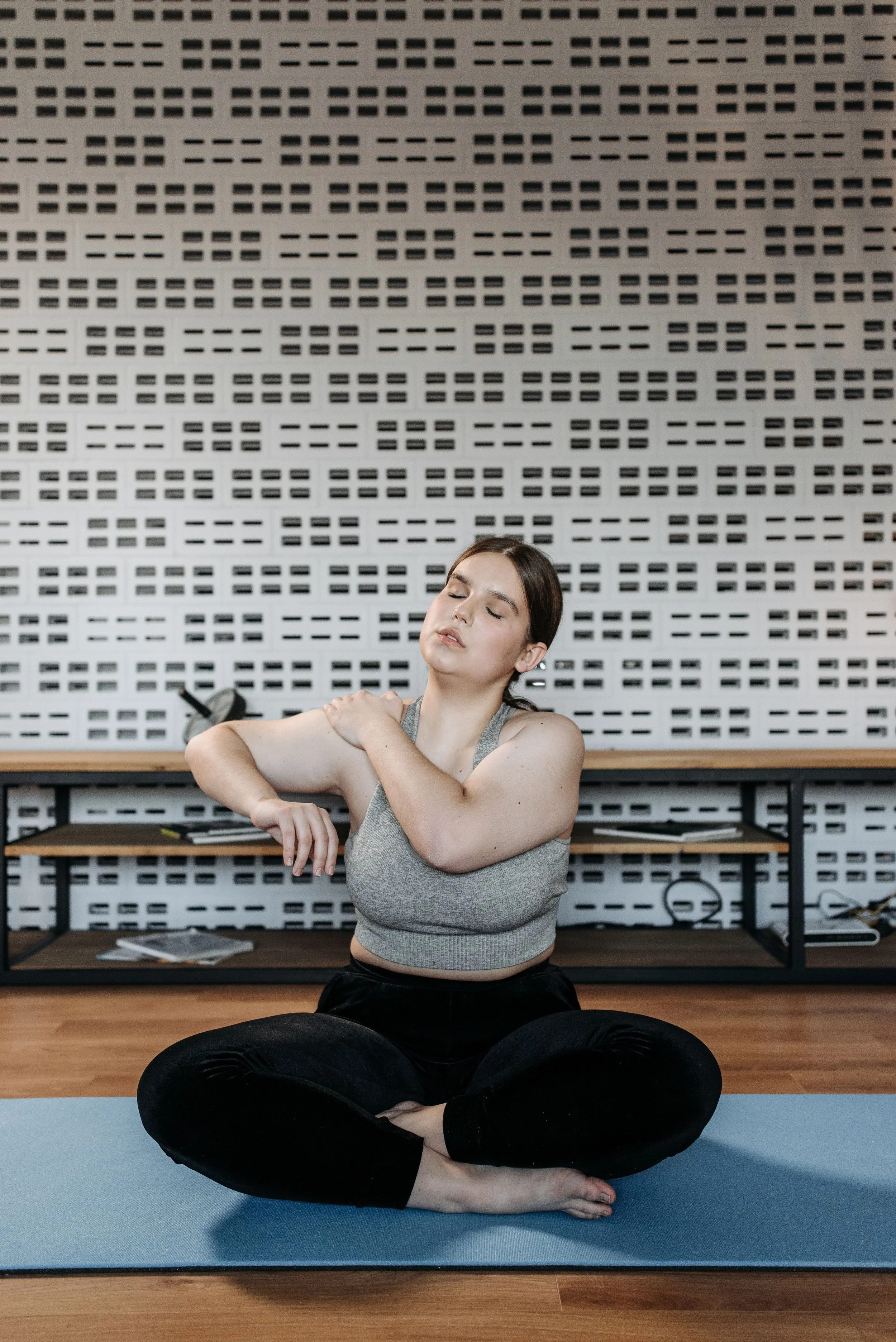
For many people, shoulder pain doesn't arrive all at once. It begins as tension: a feeling that your shoulders are living slightly closer to your ears than they used to, a knot between the shoulder blade and spine that keeps returning no matter how often you stretch it, a sense that the upper body never fully settles even when the workday is over.
Over time, the tension becomes harder to ignore. You notice discomfort at the computer. Reaching overhead feels restricted. Sleeping on one side becomes uncomfortable. The shoulders feel heavy and tight after a long day, even though you haven't done anything physical.
For many people working in tech, this pattern develops gradually enough that it begins to feel normal. It isn't. And while posture plays a role, shoulder pain from desk work is often about far more than posture alone.
If your shoulder tension feels less tied to desk position and more like a chronic holding pattern, that's a slightly different story, and I've written about it in depth in Why Your Shoulders Won't Release. This post is about the specific pattern desk work builds.
The Shoulder Was Designed to Move
The shoulder is one of the most mobile joints in the human body. Unlike the hip, which prioritizes stability, the shoulder is built for movement: reaching, lifting, carrying, climbing, rotating.
The challenge is that modern work asks very little movement from it. Most desk work happens within a small range of motion. The hands stay close to the keyboard, the eyes stay fixed on a screen, and the body repeats the same position for hours. Over time, the shoulder adapts to that environment. Mobility decreases. Certain muscles become overworked while others become less involved. The result is often tension, stiffness, and discomfort that seems to appear without a clear injury.
Understanding Upper Cross Syndrome
Many desk workers develop a pattern commonly called Upper Cross Syndrome. It often includes forward head posture, rounded shoulders, tight chest muscles, increased tension through the upper trapezius, reduced mid-back mobility, and weakness through parts of the mid-back.
From the outside, it looks like a purely structural problem. From the inside, it's often an adaptive response to how the body has been asked to function. The body learns efficiency. If you spend years working at a computer, the body becomes efficient at working at a computer, sometimes at the expense of mobility, balance, and ease.
This is why simply pulling the shoulders backward rarely creates lasting change. The body returns to its familiar pattern because the underlying organization hasn't changed. The goal isn't forcing posture. The goal is helping the body discover a different way of organizing itself.
The Connection Between Breathing and Shoulder Tension
One of the most overlooked contributors to shoulder pain is breathing.
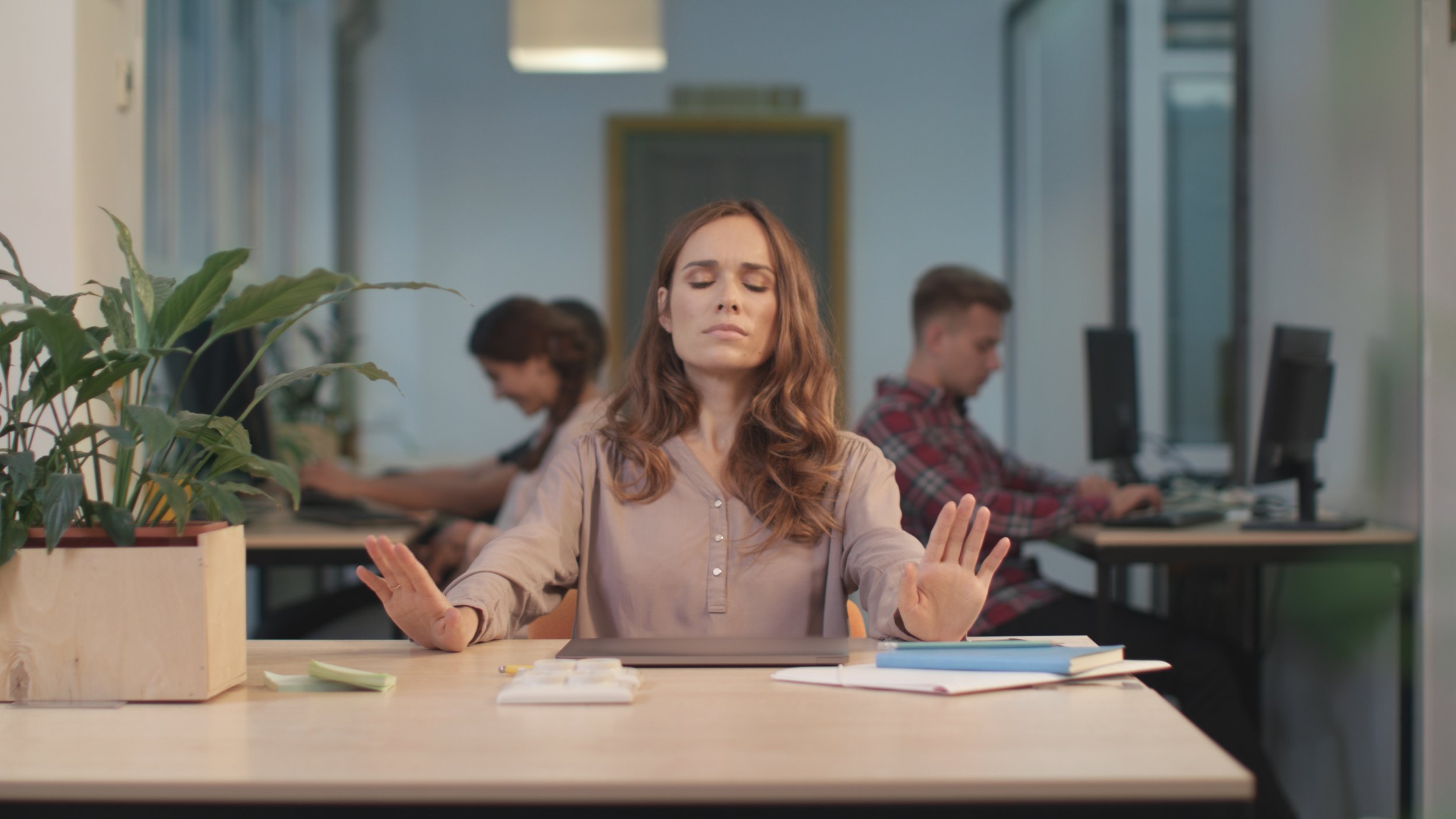
Most people don't think of their shoulders as breathing muscles. Yet many of the muscles around the neck and shoulders get recruited when breathing shifts into the upper chest. When the diaphragm is moving well, breathing is shared throughout the rib cage and trunk, and the body distributes the work efficiently. When stress increases, many people begin breathing more shallowly, and the neck and shoulders start assisting with every breath. Muscles designed to help occasionally become muscles working all day long.
Imagine performing hundreds or thousands of tiny shoulder shrugs without realizing it. That's essentially what's happening. Over time this creates chronic tension through the upper trapezius, the base of the neck, and the tissues around the shoulder blades. The body works harder than necessary to accomplish something it does all day.
The Pattern Is Usually Bigger Than the Shoulder
When someone experiences shoulder pain, it's natural to assume the shoulder is the problem. Sometimes that's true. More often, what we call shoulder pain is the expression of a larger pattern involving the neck, rib cage, upper back, breathing mechanics, and nervous system.
The shoulder doesn't operate independently. Every movement of the arm relies on coordination between the shoulder blade, thoracic spine, rib cage, neck, and surrounding tissues. If one part loses mobility, another compensates. This is one reason people can spend months stretching the shoulder without lasting change. In practice, it's common to see pain at the front of the shoulder when the real restriction lives in the rib cage, or tension through the rotator cuff being driven by a chronically elevated shoulder girdle or a neck that has carried excessive tone for years. The symptom is real, but the source is often more complex than it first appears.
How Desk Work Changes the Upper Body
A typical workday creates a predictable pattern. The head gradually moves forward. The shoulders round inward. The chest becomes less open. The upper back loses some of its natural mobility. The rib cage becomes less responsive to breathing.
None of these changes happen suddenly. They develop through repetition, hour after hour, day after day, year after year, until the body treats this organization as normal. The shoulder was never designed to function from this position indefinitely. As the upper body collapses forward, the mechanics of the shoulder change, the surrounding muscles work harder, and the body creates compensations simply to accomplish everyday tasks. What begins as tension can eventually become pain, restriction, or a persistent sense that the shoulders are carrying more than they should.

How I Work With Shoulder Pain
Many people arrive believing they need work done directly on the painful shoulder. Sometimes they do. More often, the shoulder is part of a larger conversation.
My work is informed by Bio-Geometric Integration (BGI), which views the body as a connected system of relationships rather than isolated parts. Instead of focusing only on the area that hurts, I listen for how the whole body has organized itself around the problem. How is the rib cage moving? How is the breath moving? What's happening through the neck and thoracic spine? What areas are compensating, and what areas have stopped participating?
Sessions are gentle and performed fully clothed. Using a combination of Bio-Geometric Integration, craniosacral therapy, soft tissue work, gentle chiropractic care, and Reiki, I work with the tissues holding the pattern in place. Often the work begins somewhere other than the shoulder: a rib cage restriction influencing shoulder mechanics, a neck pattern affecting arm movement, a thoracic restriction altering the position of the shoulder blade.
As these compensations unwind, clients frequently notice changes beyond pain relief. Breathing becomes easier. The chest feels more open. The shoulders settle. The arms move more freely. Many describe it as their body no longer having to work so hard to hold itself together.
Practices That Can Help Between Sessions
If shoulder tension has become a regular part of your workday, a few simple practices can help interrupt the pattern.
Changing positions frequently is one of the most effective. The body tolerates posture far better than it tolerates staying in one posture for hours. Walking breaks help restore movement through the spine, rib cage, and shoulders while giving the nervous system a brief shift out of sustained focus. Regularly moving your arms through larger ranges of motion, reaching overhead, and gentle mobility work remind the shoulders what they were designed to do. And pay attention to your breathing: if your breath lives primarily in your upper chest, your shoulders may be working much harder than they need to.


A Closing Invitation
If shoulder pain has become part of your workday, there's a good chance your body is responding to more than a shoulder problem. The tension may reflect years of computer work, restricted movement, accumulated stress, altered breathing patterns, and nervous system adaptation.
The good news is that these patterns can change. The body is constantly adapting, and with the right support it can adapt in a different direction.
If you're in Pleasant Hill, Walnut Creek, or elsewhere in the East Bay or San Francisco and you're looking for a different approach to shoulder pain, you're welcome to schedule a session.
If you're outside the area, 12 Days of Nervous System Regulation offers daily guided practices to help your body build a steadier baseline at home.
Frequently Asked Questions
Why do my shoulders hurt after sitting at a computer all day?
Shoulder pain from desk work often develops from a combination of posture, reduced movement, altered breathing patterns, muscle compensation, and nervous system stress. The shoulder is frequently responding to a larger pattern rather than acting as the sole source of the problem.
Can stress cause shoulder pain?
Yes. Stress often increases muscle tone throughout the neck and shoulders. Many people notice shoulder tension increasing during periods of heightened demand, even when their physical activity hasn't changed.
What is Upper Cross Syndrome?
Upper Cross Syndrome is a common desk-worker posture pattern involving forward head posture, rounded shoulders, tight chest muscles, increased tension through the neck and upper shoulders, and reduced thoracic mobility.
Can chiropractic help shoulder pain?
Yes. A whole-body approach can address the compensation patterns contributing to shoulder discomfort rather than focusing exclusively on the shoulder joint itself.
Do I need imaging for shoulder pain?
Not always. While imaging can be valuable in some cases, many shoulder pain patterns involve functional restrictions, compensation, and nervous system tension that aren't fully explained by imaging findings alone.
About Dr. Alandi Stec
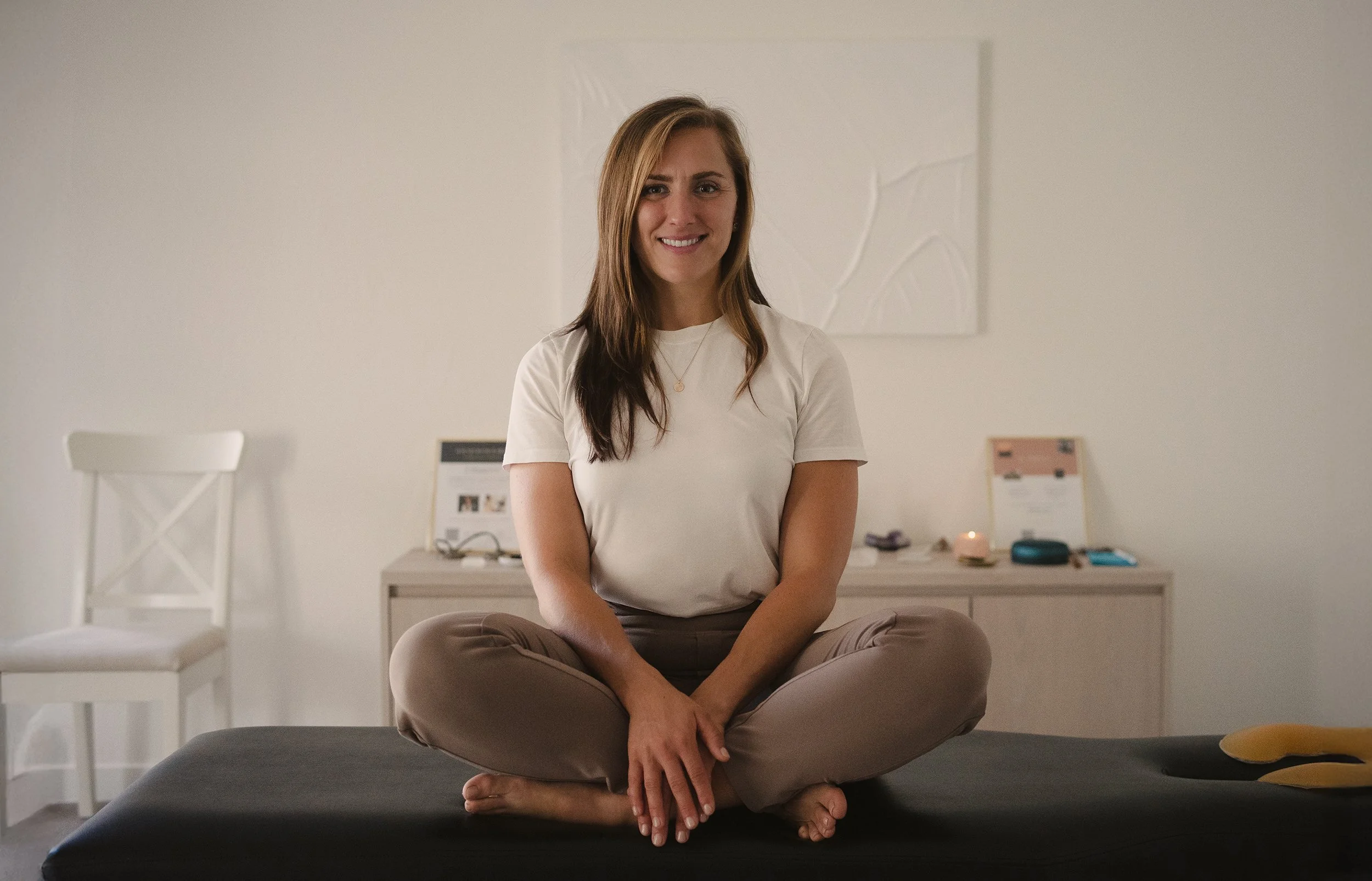
Dr. Alandi Stec is a Doctor of Chiropractic and Reiki Master specializing in nervous system-centered healing approaches. She serves the Pleasant Hill and Bay Area athletic community through Life Force Chiropractic, combining Bio-Geometric Integration with craniosacral work and somatic practices to support athletes in discovering their body's innate capacity for optimal performance and resilience.

A FREE PRACTICE TO TAKE WITH YOU
Find Your Way Back to Center
A free guided meditation for settling the body and quieting the mind.
This 20-minute guided meditation offers a simple space to slow down, soften your attention, and reconnect with yourself. Return to it whenever life feels full, your mind feels busy, or you simply need a moment to pause.
Recorded by Dr. Alandi Stec and delivered to your inbox when you join the newsletter.