
Why Rest Doesn't Help - Your Body Needs to Discharge First.

You've done everything right.
You blocked out time in your calendar. You turned off notifications. You gave yourself permission to lie on the couch, to nap, to do absolutely nothing productive.
But your jaw stays clenched. Your shoulders stay raised. Your breath stays shallow. Your mind keeps cycling through the same thoughts.
You're resting, but you're not restoring.
This isn't a failure of willpower or discipline. It's not a sign that you're broken or doing relaxation wrong. Your body is doing exactly what it's designed to do when it's holding unprocessed activation.
The problem isn't that rest doesn't work.
The problem is that rest alone isn't enough when your nervous system hasn't completed what it started.
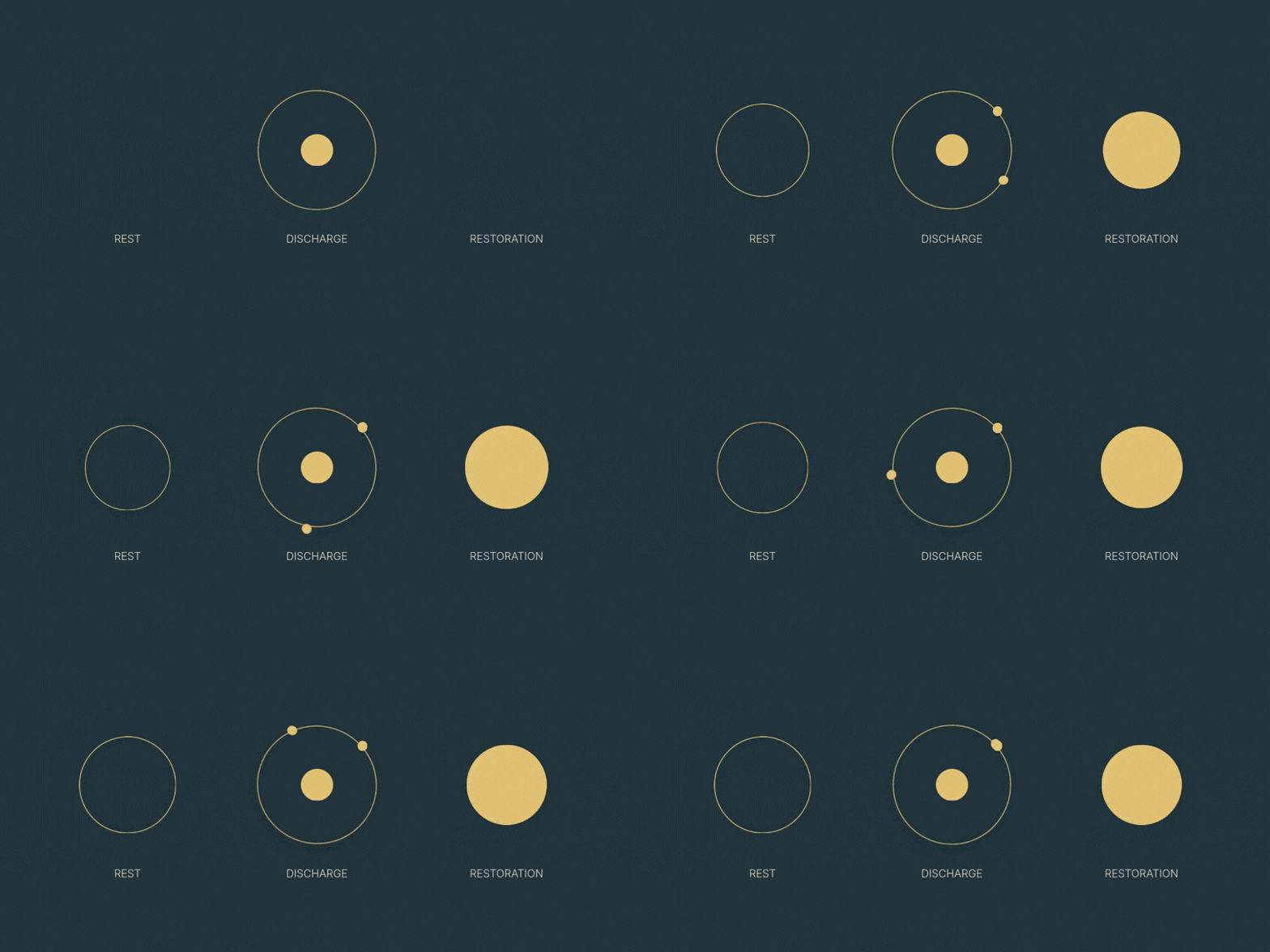
Why Rest Alone Isn't Enough
Rest, discharge, and restoration are three different things. We often use these words interchangeably, but your nervous system knows the difference.
Rest is the absence of activity. Lying down. Being still. Not doing.
Discharge is the completion of a stress cycle. Moving stored activation through and out of your system. Allowing your body to finish what it started when it mobilized for threat.
Restoration is what happens after discharge when your nervous system can actually downregulate. When your body rebuilds resources and rebalances itself.
Here's the critical piece: restoration can only happen after discharge.
When your body is holding activation, when stored tension is keeping your nervous system in a defensive state, rest feels activating. Stillness feels uncomfortable. Your system won't let you drop into true rest because it's still braced for impact.
This is why lying still can make anxiety worse. Why meditation sometimes increases agitation. Why you can take a vacation and come back just as stressed as when you left.
You're trying to rest a nervous system that needs to discharge first.
Understanding Nervous System Discharge
Think about what happens when you're startled. Your whole body mobilizes. Muscles contract, breath quickens, heart rate spikes. You're prepared to fight, flee, or freeze.
In a healthy nervous system, that activation completes. If you were running from danger, the physical action of running discharges the mobilization. If you fought off a threat, the effort discharges the energy. Even shaking or crying after a frightening experience allows your body to complete the cycle.
But in modern life, most of our activation doesn't complete.
You get a tense email. Your body mobilizes. But you can't fight or flee, you just sit at your desk and type a response while holding all that activation.
You have a difficult conversation. Your system braces. But you stay composed and professional, suppressing the shaking or tears that want to come.
You rush through your day moving from task to task. Each transition creates a small spike of stress. None of them complete.
Your nervous system accumulates these incomplete stress cycles like a computer running too many programs in the background. The activation is still there, stored in your tissues, keeping your system in a state of chronic mobilization.
This is what we're talking about when we say discharge. Not venting emotionally or releasing feelings, though that can be part of it. We're talking about allowing your body to complete the physical stress cycles it started but never finished.
Animals do this naturally. If you watch a deer escape a predator, once it's safe the deer will shake vigorously, releasing all the activation from the chase. Then it goes back to grazing, fully present and regulated.
Humans have learned to suppress this natural discharge. We've been taught that shaking is weak, that crying is unprofessional, that our bodies should always be under control.
So we hold it all. And our nervous systems stay activated. And rest doesn't work because we're asking a mobilized system to be still.
How Activation Gets Stored in Your Body
When stress cycles don't complete, the activation doesn't just disappear. It gets stored.
Your body holds it in chronic muscle tension. Tight shoulders that never release. A jaw that clenches even in sleep. A chest that feels constricted. Hips that lock up. A back that's always braced.
Your nervous system maintains these holding patterns as protective mechanisms. On some level, your body still thinks the threat isn't over. The pattern that started to help you respond to danger becomes the baseline state.
This creates a feedback loop. Chronic muscle tension sends signals to your brain that danger is present. Your brain interprets those signals as confirmation that it's not safe to relax. Your nervous system stays in a defensive state. The tension continues.
Over time, this becomes your new normal. You stop noticing how much you're holding because you're always holding. The activation feels like just who you are rather than a pattern your body is stuck in.
This is why people say things like "I don't know how to relax" or "My body won't let me rest." It's not a personality trait. It's a nervous system that's carrying unprocessed activation and needs a pathway to discharge before it can truly rest.
Why Stillness Can Feel Activating
When you're holding chronic activation and you try to rest, something counterintuitive happens. You feel worse.
The stillness that's supposed to be calming feels uncomfortable. Your anxiety increases. Your mind races faster. Your body feels more tense, not less.
This isn't rest failing you. This is your nervous system protecting you.
When you're activated and you try to be still, your body interprets that stillness as freeze. And freeze, in nervous system terms, is the most dangerous state. It's what happens when fight and flight have both failed and the only option left is to shut down and play dead.
Your nervous system will do almost anything to avoid freeze. So when you try to force stillness on a mobilized system, it mobilizes more. Creates more activation to prevent the shutdown it perceives as life-threatening.
This is why people with chronic stress often feel "wired and tired." The body is exhausted but won't let itself rest. The activation won't allow the downregulation that rest requires.
You need to discharge the activation before your nervous system will allow you to rest. You need to give your body a way to complete what it started before it can be still.

The Ground & Release Practice
Your nervous system wants to discharge. It's designed to complete stress cycles. You just need to give it permission and a pathway.
This practice takes 60 seconds. It works with your body's natural discharge mechanisms to release stored activation quickly and effectively.
Here's how:
1. Stand with feet hip-width apart.
Feel the ground beneath you. Let your weight drop into your feet. You're not floating, you're supported by the earth underneath you.
2. Shake your hands vigorously for 10 seconds.
Like you're shaking water off them after washing. Let your wrists be loose. Let the movement be fast and chaotic. Don't control it, just shake.
3. Stomp your feet alternately, 10 stomps each foot.
Let your whole body bounce slightly with each stomp. You're not trying to be graceful. You're creating impact. Grounding force into the earth through your feet.
4. Take a deep breath in, raise your shoulders to your ears, hold for 3 seconds.
Let yourself feel the tension. Exaggerate it. Squeeze everything up and tight.
5. Release everything with an audible sigh.
Drop your shoulders. Soften your jaw. Let your breath fall out with sound. A "haaaa" or a "pffffff" or whatever wants to come. Make it audible. Let it be messy.
6. Stand still. Notice what shifted.
Don't rush to the next thing. Take 10-15 seconds to feel what's different. Your breath might be deeper. Your shoulders might be lower. Something in your chest might have space it didn't have before.
The Science Behind This Practice
This isn't just movement for movement's sake. Each element of this practice engages specific nervous system mechanisms.
The shaking mimics your body's natural tremor response. This is the same mechanism animals use to discharge activation after escaping predators. The rapid, chaotic movement helps release muscular tension and complete the mobilization response that got interrupted.
When you shake, you're activating the extrapyramidal motor system, which controls involuntary movement. This system is directly connected to the limbic system where emotional and stress responses originate. Shaking creates a bottom-up pathway for discharge that bypasses your conscious control.
The stomping creates ground contact and proprioceptive feedback. It reminds your nervous system that you have feet, that you're supported, that you can impact your environment. This helps shift out of freeze or collapse states where the body feels powerless.
Stomping also uses large muscle groups in your legs. These muscles hold a significant portion of stress-related tension. The impact of stomping contracts and releases them rapidly, helping discharge stored activation.
The shoulder squeeze and release engages the exaggerated startle response. You're intentionally creating more tension before you release it. This works because your nervous system often can't release what it can't feel. By exaggerating the holding pattern, you make it conscious. Then the release is more complete.
This also engages the shoulders and neck, where most people carry chronic stress. The deliberate squeeze followed by complete release teaches these muscles how to let go.
The audible sigh activates the vagus nerve and engages the parasympathetic nervous system. Sound creates vibration through your vocal cords and chest cavity. This vibration stimulates vagal tone and signals safety to your nervous system.
The audible nature is important. Silent exhales don't create the same vagal activation. The sound, the vibration, the slightly embarrassing nature of it all help bypass the polite control that usually keeps discharge suppressed.
When to Use This Practice
This practice is most effective in specific moments throughout your day. Not as a once-daily routine, but as a tool you reach for when you notice your system holding activation.
Use this practice:
After intense conversations.
When you've been in a meeting that required you to stay professional while everything in you wanted to react. When you've been on a difficult phone call. When you've navigated conflict and stayed composed but your body is vibrating with unexpressed energy.
When you feel "wired but tired."
That specific state where you're exhausted but can't rest. Where lying down makes you more anxious. Where your body won't settle no matter how much you try to relax. This is stored activation. Discharge it before you try to rest.
During work-to-home transitions.
Before you walk in the door to your family or roommates. Before you switch from work mode to personal mode. Give yourself 60 seconds to discharge the accumulated stress of the day so you don't bring it into your home.
When your body feels like it's holding more than it needs to.
That sensation of carrying something heavy even though you're not physically holding anything. When your shoulders are up around your ears. When your jaw is clenched. When your breath is shallow. When there's pressure in your chest that won't release.
Before you try to rest or sleep.
If you notice you're exhausted but agitated, if you're tired but your mind is racing, if you want to relax but your body won't let you. Discharge first. Then rest.
After exposure to stress or overstimulation.
Crowded spaces. Loud environments. Multiple demands happening simultaneously. Times when your system had to process more input than felt comfortable. Let your body shake off the excess activation before it gets stored.
The key is noticing when discharge is needed. Your body will tell you. You just need to listen and respond.
Other Ways Your Body Discharges
The Ground & Release practice is one pathway. Your body has many natural discharge mechanisms. Understanding them helps you recognize when discharge is happening and support it rather than suppress it.
Physical movement.
Running, dancing, vigorous exercise. Any movement that's intense enough to mobilize your whole system and allow the completion of the fight-or-flight response. This works best when the movement is free and expressive rather than controlled and perfunctory.
Shaking and tremoring.
The involuntary trembling that happens after intense stress or fear. This is your nervous system's primary discharge mechanism. If you feel yourself start to shake, let it happen. Find a private place if you need to, but don't suppress it.
Crying.
Not just emotional release, but the physical act of sobbing. The whole-body movement of crying engages your diaphragm and creates waves of contraction and release through your core. This is discharge. Let it complete.
Laughing.
Deep, belly laughter creates similar patterns to crying. Your diaphragm contracts rhythmically. Your whole body participates. This discharges held tension through pleasure rather than pain.
Vocal release.
Screaming into a pillow. Groaning. Sighing audibly. Making sounds that vibrate through your chest and throat. This engages your vagus nerve and helps discharge activation through your vocal apparatus.
Bilateral movement.
Walking, swimming, cross-crawl exercises. Any movement that alternates between left and right sides of your body. This helps integrate and discharge stress by engaging both hemispheres of your brain.
These aren't techniques you need to practice. They're natural responses your body already knows how to do. The work is creating permission and space for them to happen rather than suppressing them in the name of being appropriate or controlled.
Creating Permission for Discharge in Daily Life
We live in a culture that values composure. Control. Keeping it together.
These aren't inherently bad values. But when they prevent your nervous system from completing its natural cycles, they create chronic activation and dysregulation.
Creating permission for discharge means recognizing that your body's need to shake, to cry, to sigh, to move isn't weakness. It's wisdom. It's how your system stays healthy.
This looks like:
Stepping outside for 60 seconds after a stressful meeting to shake your hands and stomp your feet rather than immediately jumping to the next thing.
Letting yourself cry in the car before you drive home instead of swallowing the tears and holding them in.
Making space to move your body vigorously on days when you notice tension building rather than powering through.
Understanding that the urge to scream into a pillow isn't dramatic, it's your body asking to discharge.
Not forcing yourself to "calm down" when you're activated. Discharging the activation first, then allowing calm to arrive naturally.
Your body knows what it needs. The more you create space for natural discharge, the less chronic activation you carry. The more your rest actually restores you.
What Relief Actually Feels Like
When discharge happens, rest becomes possible.
Your breath deepens without you trying to deepen it. Your shoulders drop without you reminding them to. Your jaw unclenches. The pressure in your chest eases.
You can lie down and actually soften. Your mind might still think thoughts, but they don't have the same grip. There's space between you and them.
Sleep comes more easily. Your body trusts that it's safe to let go.
And when you rest after discharge, the rest actually restores you. You wake up feeling different. More resourced. More present. More capable.
This isn't about achieving some perfect state of relaxation. It's about allowing your nervous system to complete its cycles so rest can do what it's meant to do.
You don't have to live in a body that won't rest. You don't have to push through constant activation. You don't have to wonder why you can't just relax.
Your body wants to release what it's holding. Give it the pathway. Give it permission. Give it the 60 seconds it needs to shake and stomp and sigh.
Then rest will work.
When to Seek Support
Sometimes discharge practices alone aren't enough.
If you've been carrying chronic activation and have created patterns that feel hard to shift on your own, if your nervous system feels stuck in a state of constant mobilization, no matter what you try, you might need more than daily practices.
This is where skilled support makes a difference.
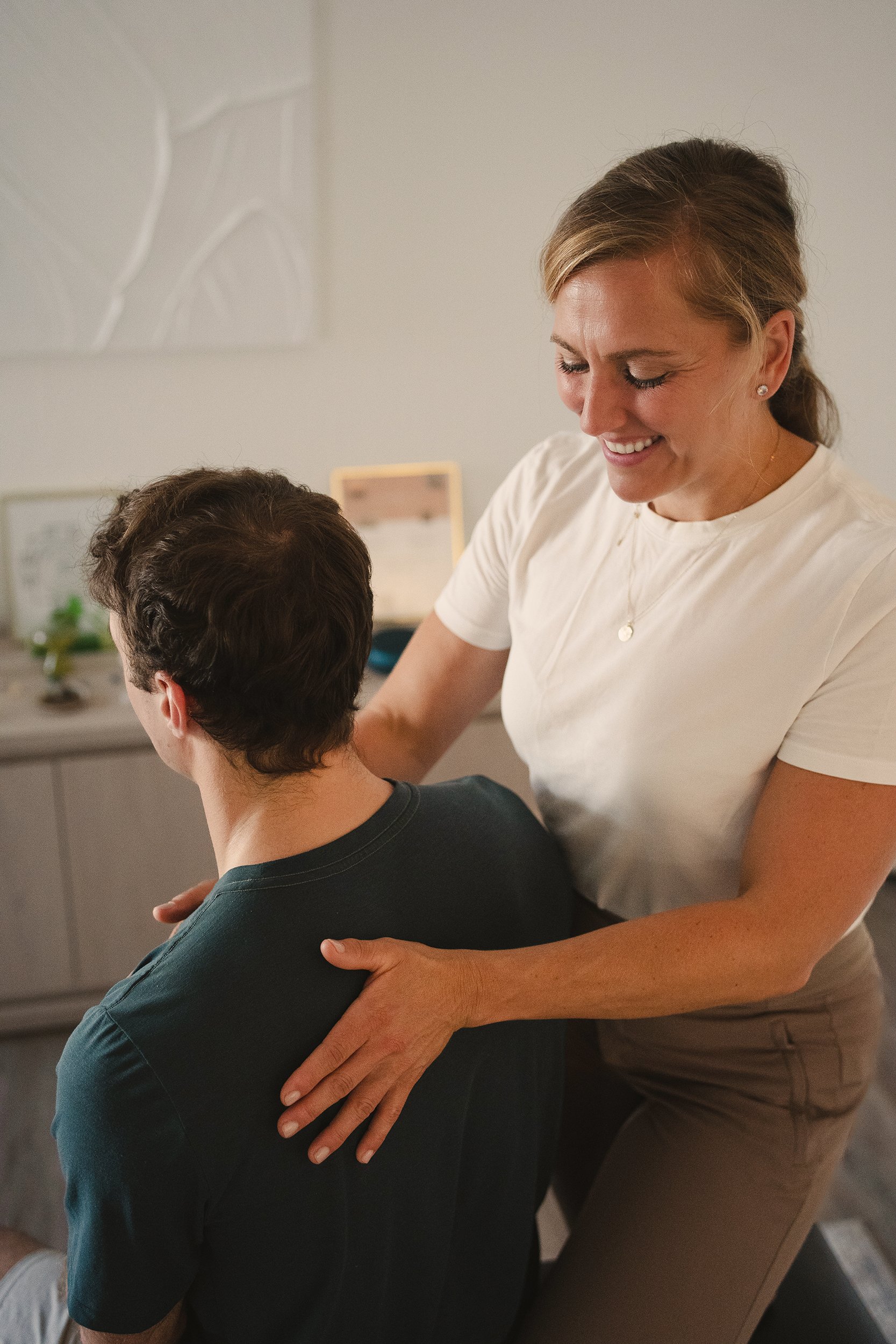
Gentle chiropractic care that works directly with your nervous system can help your body complete patterns it hasn't been able to finish on its own. When your structure realigns, when restrictions release, when your spine and nervous system have space to reorganize, discharge becomes easier. Rest becomes possible.
Practices like Yoga Nidra provide guided support for deep nervous system rest after you've discharged. These aren't substitutes for discharge, they're what comes after. The conscious rest practice that helps your system rebuild and restore.
Comprehensive nervous system education gives you a full toolkit of regulation practices beyond discharge. Understanding your window of tolerance. Working with your breath. Creating capacity for both activation and rest.
If you're in the Pleasant Hill area, Life Force Chiropractic offers gentle, nervous system-centered care that supports your body in completing the patterns it's been holding. Not forceful adjustments, but precise contacts that help your system reorganize and release.
Your Body Already Knows
You don't need to learn how to discharge. Your body already knows how.
You just need to create permission. Give it the space and the 60 seconds and the willingness to look a little silly while you shake your hands and stomp your feet.
Rest will follow. Restoration will come. But discharge comes first.
Your body has been asking for this. The tension you carry, the inability to relax, the feeling that rest doesn't work anymore. These aren't failures. They're information.
Your nervous system is showing you what it needs. It needs to complete what it started. It needs to discharge before it can rest.
Give it that. Watch what becomes possible.

Ready to Support Your Nervous System?
Rest is essential. But when your body is holding activation, rest alone won't restore you.
Yoga Nidra at Home provides guided deep rest practices for after your system has discharged. These 20-40 minute sessions help your nervous system drop into the profound restoration that becomes possible once activation has released. $35 for lifetime access.
For those in the Pleasant Hill area, gentle chiropractic care supports your nervous system in releasing patterns it hasn't been able to complete on its own. Bio-Geometric Integration combined with craniosacral therapy helps your body reorganize and discharge stored tension.
Frequently Asked Questions
Why do I feel worse after resting sometimes?
When your nervous system is holding activation, forced stillness can feel like freeze, which your body perceives as dangerous. This triggers more activation as a protective response. You need to discharge the stored tension before your system will allow true rest.
Is shaking my body actually helpful or does it look weird?
Shaking is one of your body's primary natural discharge mechanisms. Animals do this instinctively after escaping danger. It might feel awkward because we've been socialized to suppress it, but it's profoundly effective at releasing stored activation. Find a private space if you need to, but don't skip it because it feels silly.
Can I discharge too much?
Discharge practices are self-limiting. Your body will only release what's ready to be released. The practices in this post are gentle and short (60 seconds). If you're working with deeper trauma or complex patterns, work with a skilled practitioner who can help you titrate the discharge so it feels manageable.
How do I know if I need discharge or rest?
If you're tired but wired, if lying down makes you more anxious, if your body won't soften no matter how much you try to relax, you need discharge first. If you're tired and your body easily softens when you lie down, rest is appropriate.
Can chiropractic help with nervous system discharge?
Yes, particularly approaches like Bio-Geometric Integration that work directly with nervous system organization. When your spine and nervous system have restrictions, completing discharge patterns is harder. Gentle adjustments can help your body finish what it started and release chronic holding patterns.
What if I've been holding tension for years?
Start with small practices like the Ground & Release. Discharge happens in layers. You don't need to release everything at once. Consistent daily practices will gradually help your system complete old patterns. For deeper work, consider working with a practitioner who specializes in nervous system regulation.
About Dr. Alandi Stec
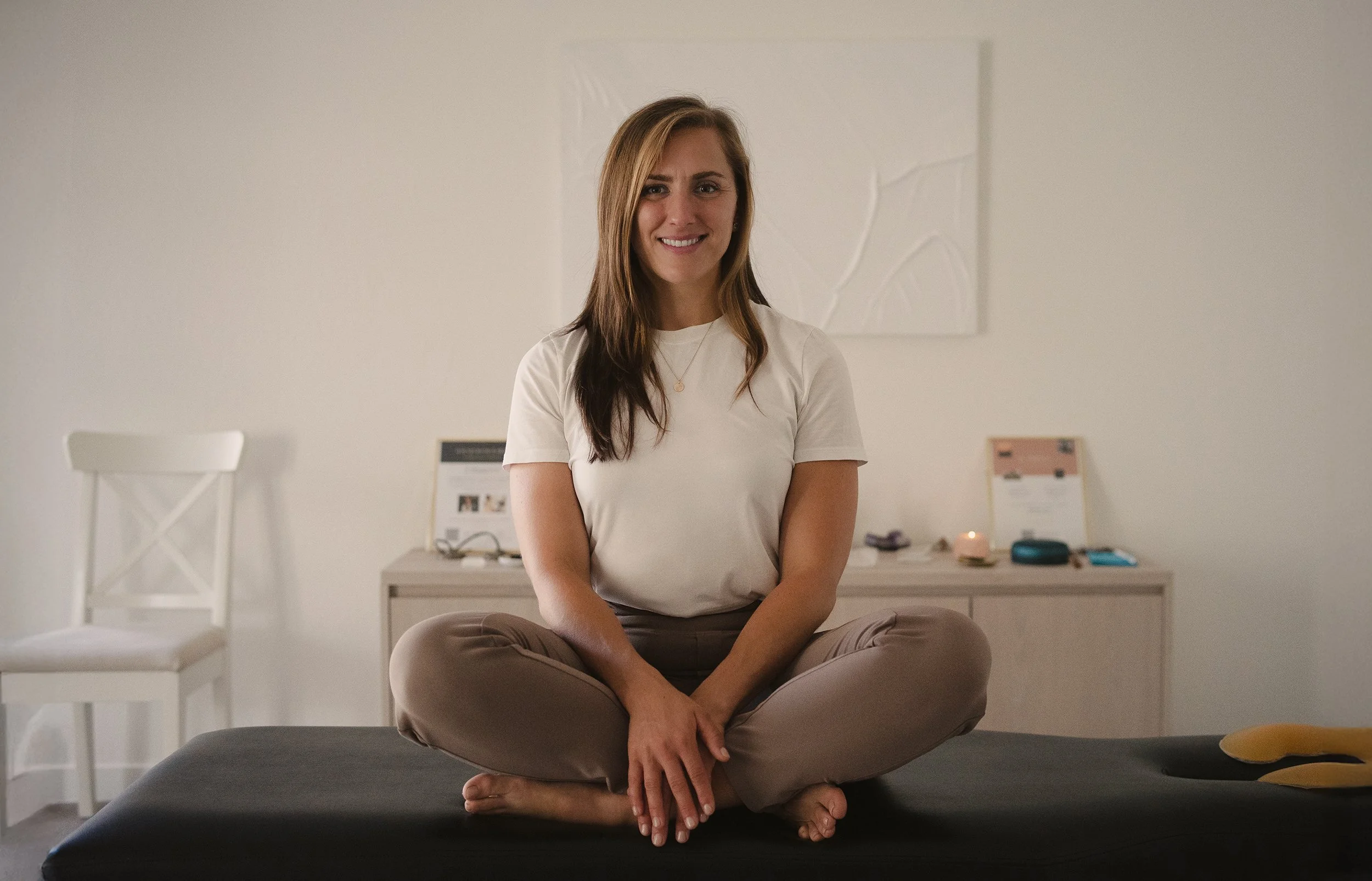
Dr. Alandi Stec is a Doctor of Chiropractic and Reiki Master specializing in nervous system-centered healing approaches. She serves the Pleasant Hill and Bay Area community through Life Force Chiropractic, combining Bio-Geometric Integration with craniosacral work and somatic practices to support individuals in discovering their body's innate capacity for regulation and healing.