
Why Breathwork Actually Works. The Nervous System Science

You've been told to "take a deep breath" since childhood.
Maybe it helps in the moment. Maybe it doesn't. Maybe you've tried breathwork and felt nothing. Or maybe you've felt something profound but don't understand why it worked.
Breathwork isn't trendy self-care. It's direct nervous system communication. When you change your breath, you change your state. Not metaphorically. Physiologically.
Here's how it actually works.
Why "Just Breathe" Often Doesn't Help
Someone tells you to take a deep breath when you're anxious. You try.
Your chest tightens. Your breath catches. You feel more panicked, not less.
Or you're exhausted and someone suggests deep breathing for energy. You breathe deeply and feel even more tired. More disconnected. Like the practice is making things worse.
This isn't failure. This is breathing technique mismatched to nervous system state.
"Just breathe" is incomplete advice. It doesn't account for what state your nervous system is in or what kind of breathing actually supports that state.
Forcing deep breaths when you're activated can create more activation. Your body interprets the forced inhale as preparation for action. More oxygen for muscles. More fuel for fight or flight.
Breathing slowly when you're collapsed can feel suffocating. Your system is already shutdown. Slow breathing reinforces the collapse rather than bringing you back to presence.
The difference between breathing techniques and actual breathwork is understanding. Not just doing a pattern, but knowing why that pattern works and when to use it.
Your breath is powerful. But only when you're using it in alignment with what your nervous system actually needs.
Your Breath Is a Two-Way Communication System
Here's what makes breath unique: it's the only autonomic function you can control consciously.
Your heart rate, digestion, hormone production, all of these happen automatically. You can't decide to slow your heart rate or speed up your digestion through conscious will alone.
But your breath works both ways.
When your nervous system state changes, your breath changes automatically. When you're anxious, your breathing becomes rapid and shallow. When you're calm, your breathing slows and deepens. When you're in freeze, your breath becomes barely perceptible.
This is your nervous system expressing itself through your breath.
But here's the remarkable part: you can also change your nervous system state by intentionally changing your breath. This two-way communication is why breathwork is one of the most accessible and powerful regulation tools you have.
You're essentially speaking your nervous system's language. When you breathe in specific patterns, you're sending signals that tell your nervous system what state to move into.
Slow exhale tells your system it's safe. Rapid breathing tells your system there's threat. Deep diaphragmatic breathing signals rest and digest. Chest breathing signals prepare for action.
Your nervous system listens. And responds

The Vagus Nerve Connection
Your vagus nerve is the main pathway of your parasympathetic nervous system. It's how your body downregulates, restores, and returns to baseline after stress.
And your breath is one of the most direct ways to activate it.
Your diaphragm, the primary muscle of breathing, is intimately connected to your vagus nerve. When you breathe deeply using your diaphragm, when your belly expands on the inhale, you're creating mechanical stimulation of the vagus nerve.
This isn't subtle. It's direct physical contact. Your diaphragm moves, your vagus nerve gets activated, and your parasympathetic nervous system engages.
This is why belly breathing feels calming even if you don't understand the mechanism. Your body is receiving direct input that it's safe to downregulate.
But there's more specificity here. The length of your exhale matters more than the length of your inhale.
Your inhale is sympathetic. It activates. Creates slight arousal. Prepares for action.
Your exhale is parasympathetic. It downregulates. Creates release. Signals completion.
When you extend your exhale longer than your inhale, you're tipping the balance toward parasympathetic activation. You're literally changing the ratio of activation to rest in your nervous system.
This is why exhale-focused breathing (like 4-7-8 breath or box breathing with longer exhale) is so effective for anxiety. You're not just "calming down" through willpower. You're physiologically shifting your nervous system state.
Vocalization during exhale amplifies this effect. Humming, singing, sighing with sound. The vibration created by vocalization directly stimulates your vagus nerve through your vocal cords and chest cavity.
This is why people instinctively sigh when stressed. It's not random. It's your body trying to activate vagal tone and downregulate.
Different Breaths for Different States
Not all breathwork does the same thing. Different breathing patterns create different nervous system effects.
The key is matching the breath to your current state and where you need to go.


For Activation and Anxiety (Downregulation)
When you're activated, when your sympathetic nervous system is dominant, you need practices that tip you toward parasympathetic.
Extended Exhale Breath (4-7-8 Pattern):
This is one of the most effective patterns for acute anxiety.
Inhale through your nose for a count of 4. Hold for 7. Exhale through your mouth with an audible "whoosh" sound for 8.
The extended exhale and the vocalization both activate vagal tone. The hold creates a slight sense of controlled discomfort that your nervous system then releases into the long exhale.
Do this for 4-8 cycles. You should feel a shift within 2-3 minutes.
Box Breathing for Panic:
When you're in acute panic, when your breath is rapid and shallow, box breathing provides structure.
Inhale for 4. Hold for 4. Exhale for 4. Hold for 4. Repeat.
The equal counts create rhythm. The holds interrupt the panic pattern. Your nervous system has something concrete to organize around when everything feels chaotic.
Use this when you need to interrupt a panic spiral. Do it for 3-5 minutes or until your breathing naturally regulates.
Humming Breath for Vagal Stimulation:
Inhale through your nose. Exhale through your nose while humming, creating vibration in your chest and throat.
The humming directly stimulates your vagus nerve. The closed-mouth exhale slows the breath naturally.
This is excellent for ongoing anxiety or when you need vagal support without calling attention to your practice. You can do this at your desk, in your car, anywhere.
3-5 minutes daily builds vagal tone over time.
For Collapse and Shutdown (Upregulation)
When you're in dorsal vagal shutdown, when you feel numb or disconnected or depressed, you need practices that gently bring energy back.
Energizing Breath:
This is a modified version of Kapalabhati, gentler than the traditional practice.
Take a comfortable inhale. Exhale sharply through your nose with a slight abdominal contraction. Let the inhale happen naturally as a rebound.
Do 10-20 sharp exhales, then breathe normally for 30 seconds. Repeat 3-4 rounds.
This increases oxygen, creates slight activation, and can help shift out of collapse. But use it gently. If you feel dizzy, slow down.
Heart-Opening Breath with Movement:
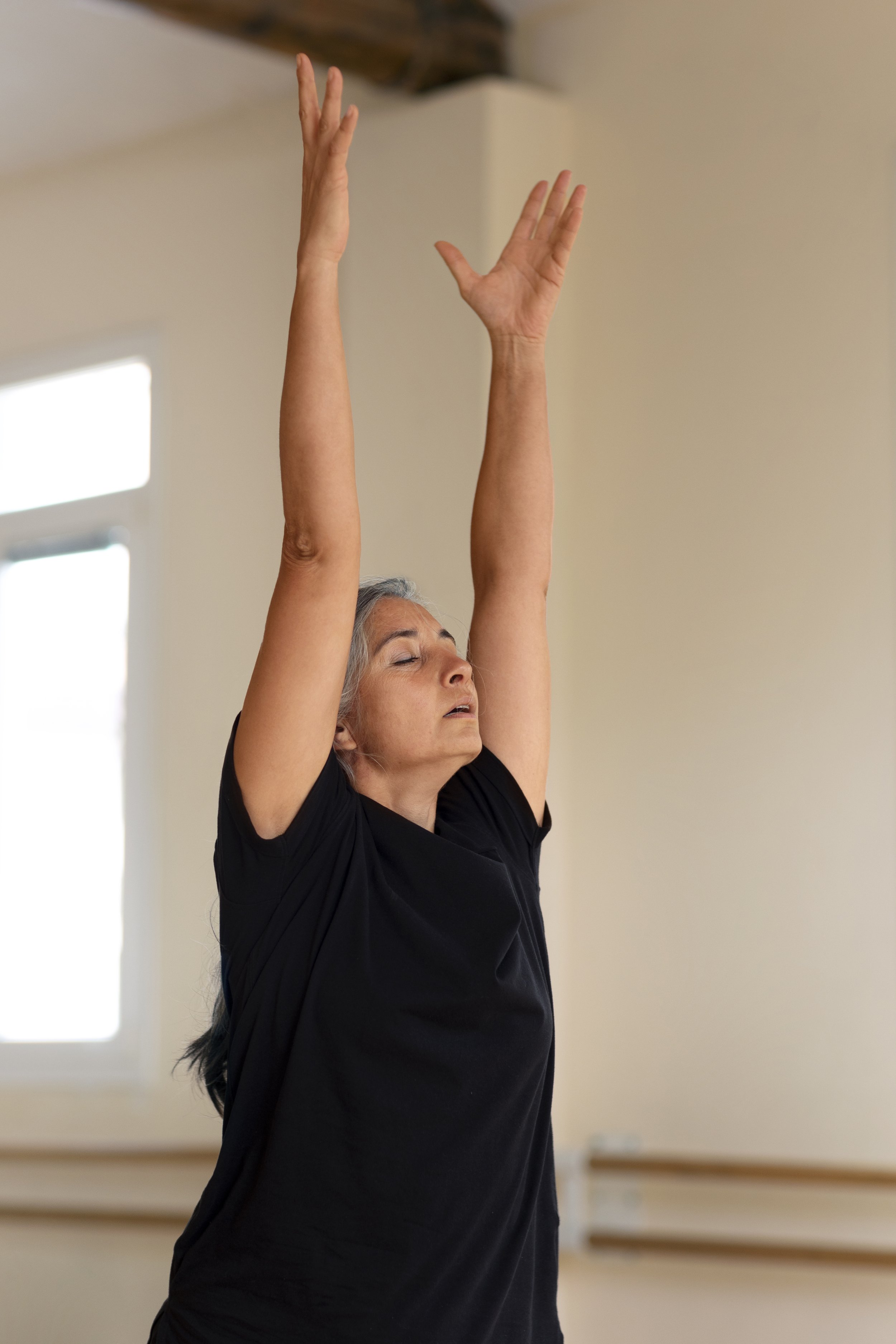
Sit or stand. Inhale while opening your arms wide, lifting your chest. Exhale while bringing your hands to your heart.
The physical opening combined with breath creates gentle activation. The return to center prevents overwhelm.
This works well in the morning when you're trying to mobilize out of shutdown. 5-10 rounds.
For Presence and Grounding
When you need to come back to center, to feel your body, to be present, these practices work with awareness more than pattern.
Belly Breathing (Diaphragmatic Breathing):
Place one hand on your chest, one on your belly. Breathe so that your belly hand rises while your chest hand stays relatively still.
This ensures you're using your diaphragm rather than accessory breathing muscles. It's grounding. Centering. Returns you to your body.
Use this anytime you notice shallow chest breathing. 2-3 minutes shifts your pattern.
Conscious Breath (Witness Breath):
Don't change your breath. Just watch it. Notice the inhale. Notice the exhale. Notice the natural pause between.
This isn't about doing anything. It's about being with what is. Your nervous system often regulates just through the act of gentle attention.
Use this when you're relatively regulated but need to drop into deeper presence. 5-10 minutes.
Common Breathwork Mistakes
Even with the right pattern, technique matters. Here's what gets in the way.
Forcing depth when you need gentleness.
If your breath is shallow and you try to force it deep, you create strain. Your nervous system reads this as threat. Instead, start where your breath naturally is and gently invite slightly more depth over time.
Chest breathing instead of diaphragmatic breathing.
Most people breathe into their chest using accessory muscles. This activates sympathetic tone even in a slow breathing pattern. Always check that your belly is moving, not just your chest.
Trying to regulate from peak activation.
When you're in full panic, breathwork is hard to access. You need to discharge activation first (shake, stomp, move) before breath practices will be effective. Breath works best for prevention and mild to moderate states, not crisis intervention.
Not matching breath to state.
Slow breathing when collapsed. Fast breathing when activated. This makes things worse. Always assess your current state before choosing a practice.
Expecting instant calm.
Breathwork shifts your nervous system state, but that shift takes time. 2-3 minutes minimum for most practices. If you do one round and expect immediate transformation, you'll feel like it's not working.
Building a Sustainable Breath Practice
Daily breathwork doesn't have to be complicated or time-consuming.
Start with 2 minutes. Not 20. Not even 10. Just 2 minutes of conscious breathing once per day.
Most people can sustain 2 minutes. It doesn't require carving out special time or creating a whole ritual. You can do it before you get out of bed. Before you start work. While your coffee brews.
Match your practice to your state. If you wake up anxious, use extended exhale breath. If you wake up depleted, use energizing breath. Let your body's state guide which practice you choose.
Integrate breath into existing transitions. Between work and home. Before meals. After difficult conversations. These natural pause points are perfect for 1-2 minutes of conscious breathing.
Pay attention to what regulation feels like versus forcing calm. Regulation feels like softening. Like your system naturally settling. Forcing calm feels like suppression. Like holding yourself still while everything inside is still activated.
If breath practices aren't shifting your patterns after consistent practice, you might need more than breathwork alone. Structural support, somatic therapy, trauma-informed care. Breath is powerful, but it's not always sufficient for deeply embedded patterns.
Breathwork in Daily Life
The most effective breath practice is the one you actually do. Here's how to integrate breathwork into your actual life.
Morning regulation (before coffee, before phone):
Before you reach for caffeine or screens, give your nervous system 2 minutes of conscious breathing. This sets your baseline for the day. Whatever pattern feels right. Just 2 minutes of intentional breath before you start responding to demands.
Transition breathing (between tasks, places, roles):
Before you walk into your house after work, sit in your car for 60 seconds and breathe. Before you start a meeting, take 30 seconds to ground. Between tasks, one minute of belly breathing. These micro-practices prevent activation from accumulating.
Stress response intervention (when you notice activation):
When you feel your shoulders rising, your jaw clenching, your chest tightening, pause. 30 seconds of extended exhale breath. This interrupts the activation pattern before it becomes your state.
Before sleep (preparing for rest):
Lying in bed, 3-5 minutes of 4-7-8 breath. This signals to your nervous system that sleep is coming. It shifts you toward parasympathetic dominance that supports sleep.
You don't need a perfect practice. You need consistency with small doses. Your nervous system learns through repetition, not through intensity.
When to Seek Additional Support
Breathwork is foundational. But sometimes breath alone isn't enough.
If you've been practicing consistently and your patterns aren't shifting, if anxiety or depression persists despite daily breathwork, if you can't access your breath when you're activated, you might need additional support.
Structural restrictions in your ribcage, diaphragm, or cervical spine can physically limit your breathing capacity. Gentle chiropractic care that addresses these restrictions can make breathwork suddenly accessible in ways it wasn't before.
Deep trauma patterns sometimes need more than breath. Somatic therapy, trauma-informed bodywork, practices that help your nervous system release what breath alone can't touch.
Comprehensive nervous system education gives you a full toolkit. Breath is one tool. Understanding your window of tolerance, working with activation and shutdown, building capacity through varied practices creates more robust regulation.
If you're in the Pleasant Hill area, Life Force Chiropractic works with both structure and nervous system. When your body has the physical space to breathe fully, when restrictions release, breathwork becomes exponentially more effective.
For those building a home practice, guided programs provide structure and progression. Daily practices that build on each other. Teaching your nervous system new patterns through consistent, supported work.
Your Breath Is Always With You
You don't need special equipment. You don't need a perfect environment. You don't need to wait until you have 30 minutes of quiet time.
Your breath is always accessible. In the middle of a difficult conversation. On a crowded subway. At your desk between meetings. Before you walk into your house.
Two minutes. One minute. Even 30 seconds of intentional breathing creates change.
Your nervous system is listening. Every breath is communication. Every exhale is an opportunity to signal safety. Every conscious breath is a choice to support regulation.
You already know how to breathe. You've been breathing your entire life. This isn't about learning something new. It's about bringing awareness and intention to something your body already does perfectly.
Start where you are. With the breath you have. In the state you're in.
Your breath will meet you there.


Ready to Build Your Regulation Practice?
Breathwork is foundational, but it's one piece of a larger nervous system toolkit.
12 Days of Nervous System Regulation provides daily guided practices that go beyond breathwork. Learn grounding, discharge, somatic awareness, and regulation techniques that work together to build lasting nervous system capacity - $50 for lifetime access.
For those in the Pleasant Hill area,gentle chiropractic care addresses structural restrictions that limit breathing capacity. When your ribs, diaphragm, and spine have space to move freely, breath practices become effortless.
Frequently Asked Questions
Why does breathwork make me dizzy or anxious sometimes?
Dizziness usually means you're breathing too deeply or too fast, creating an imbalance of oxygen and CO2. Slow down. Make your breaths gentler. Anxiety during breathwork can happen if you're using an activating practice when you need downregulation, or if you're forcing depth when your system needs gentleness. Always match the practice to your state.
How long should I practice breathwork each day?
Start with 2 minutes. Once that's consistent, gradually increase to 5-10 minutes if desired. More isn't necessarily better. Consistency matters more than duration. Regular 2-minute practices create more lasting change than occasional 30-minute sessions.
Can breathwork help with panic attacks?
Yes, but with nuance. Breathwork is most effective when you catch activation early, before it becomes full panic. During acute panic, try box breathing to provide structure. But if you're in crisis, sometimes you need to discharge (move, shake) before breath can be effective. Build a daily practice to reduce panic frequency over time.
What if I can't breathe through my nose?
Nasal breathing is ideal because it filters air, regulates temperature, and produces nitric oxide that supports nervous system function. But if you can't breathe through your nose due to congestion or structural issues, mouth breathing still works. Focus on diaphragmatic breathing and extended exhales. Consider addressing nasal restrictions with an ENT or through gentle bodywork.
Is it normal to yawn or sigh during breathwork?
Absolutely. Yawning and sighing are your body's natural ways of regulating. They increase vagal tone and release tension. Don't suppress them. Let them happen. They're signs your nervous system is responding to the practice.
Can breathwork replace medication for anxiety or depression?
Breathwork is a powerful tool but it's not a replacement for medication. Never stop medication without consulting your doctor. Breathwork can work alongside medication, often reducing your need for it over time, but changes to medication should always be done under medical supervision. If you have severe anxiety, depression, or trauma, work with both a mental health professional and somatic practices.
About Dr. Alandi Stec
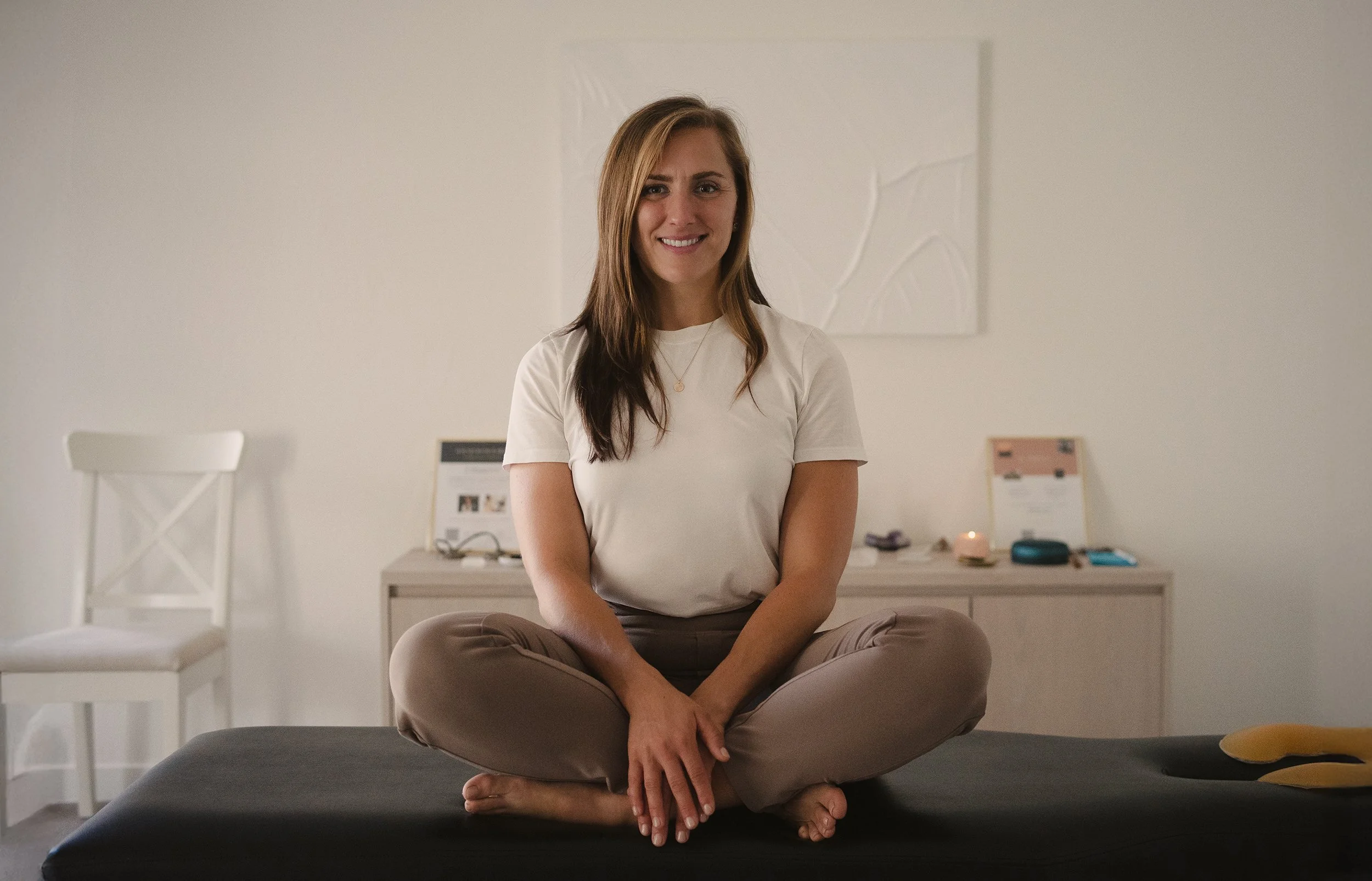
Dr. Alandi Stec is a Doctor of Chiropractic and Reiki Master specializing in nervous system-centered healing approaches. She serves the Pleasant Hill and Bay Area community through Life Force Chiropractic, combining Bio-Geometric Integration with craniosacral work and somatic practices to support individuals in discovering their body's innate capacity for regulation and healing.