
Nervous System Chiropractic in Pleasant Hill: What to Expect

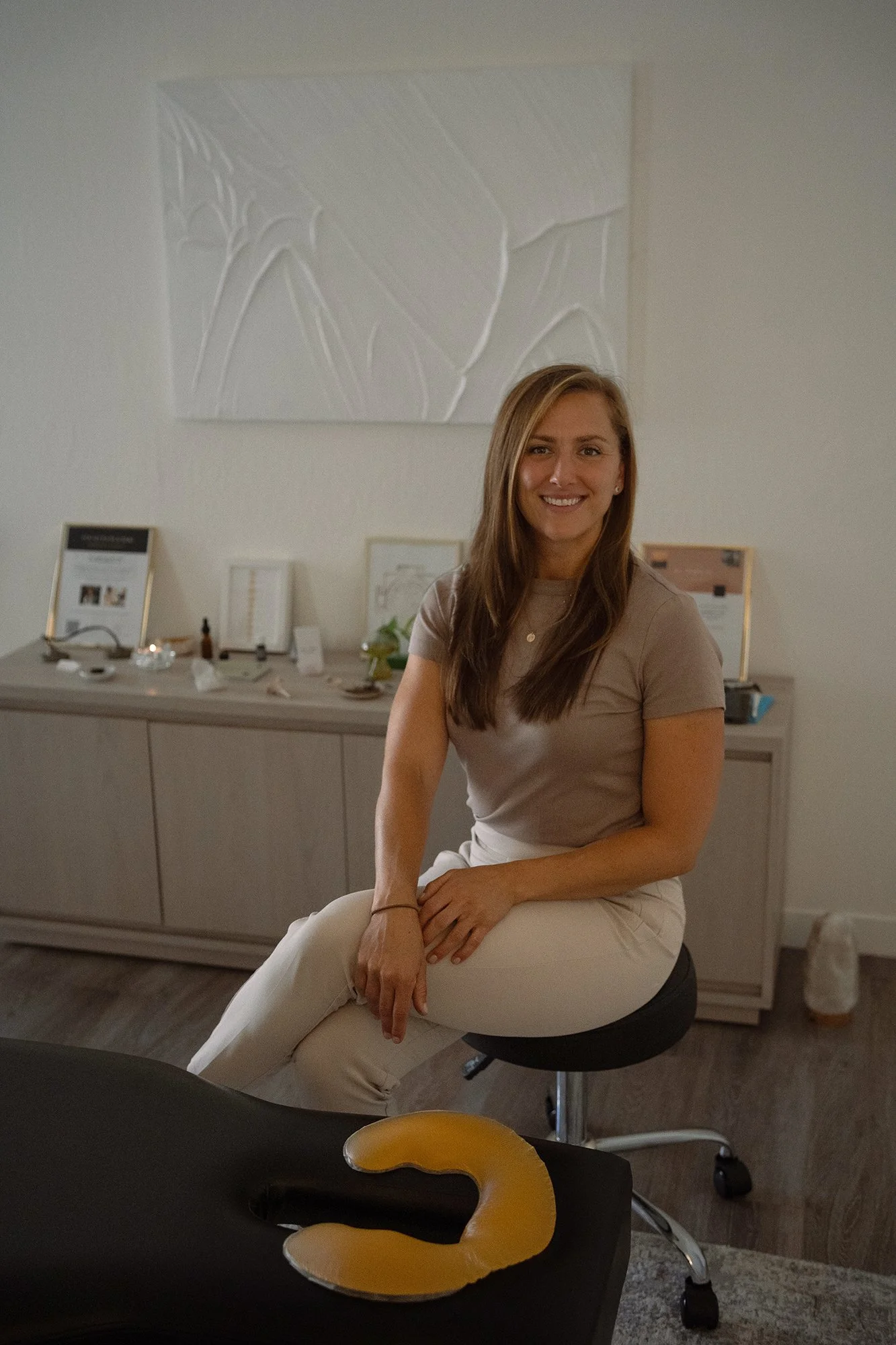
The room is quiet. The lighting is warm. There's no rush.
Sessions are 30 or 60 minutes, not 10. There are no thrust adjustments, no audible cracks, no stack of patients waiting in adjacent rooms. The work is slow and deliberate. Most clients describe the experience as feeling listened to in a way they haven't been before, even compared to other forms of bodywork they've tried.
This is what nervous system-centered chiropractic looks like in practice. It's a different category of care than what most people picture when they hear the word chiropractor.
If you're searching for a chiropractor in Pleasant Hill, Walnut Creek, Lafayette, Concord, Orinda, or anywhere in the East Bay, and you've been hesitant about traditional adjustments, or you've tried them and they didn't help, this is the kind of care worth knowing about.
What Makes This Different
Conventional chiropractic is built around the spinal adjustment. The practitioner identifies a misalignment, applies a precise thrust, and the joint releases with an audible pop. For some people, in some situations, this works well.
Nervous system-centered chiropractic operates from a different premise. It assumes that the body's holding patterns aren't just structural. They're a response from your nervous system to everything it's been managing: stress, posture, screen time, old injuries, new ones, life. Releasing the structure without addressing the system that's holding it usually produces relief that doesn't last.
So the work shifts. Instead of forcing a release, the practitioner listens for where the body is bracing and supports it in reorganizing. The touch is gentle. The pace is slow. The goal isn't a louder adjustment. It's a deeper signal of safety to the nervous system, which then allows the structure to reorganize on its own.
In practical terms, this means you won't be cracked. You won't be twisted into positions that feel uncomfortable. You won't leave feeling worked over. You'll likely leave feeling like your body got listened to at a level it hasn't been in a while.
Who Benefits From This Kind of Care
The clients who tend to find their way to nervous system-centered chiropractic usually have one of a few things in common.
Some have tried conventional chiropractic and didn't respond well to forceful adjustments, either because they made the symptoms worse or because the relief never lasted.
Some have been carrying chronic patterns for a while now. The headaches that keep returning. The low back pain that flares with stress. The shoulder tension that doesn't release no matter how much they stretch. Patterns that are being held by the nervous system, not just the muscle, which is why the muscle-focused approaches haven't been working.
Some are in a chapter of life where the system is working harder than usual. New parents with disrupted sleep and shifted bodies. Expecting mothers navigating physical changes that traditional adjustments aren't built for. Athletes whose bodies are adapting to high training loads. Desk workers in their fourth year of remote work whose shoulders haven't fully come down since 2021.
And some come in well, looking for a way to maintain the regulation they've built through their own practice. The work supports baseline nervous system health, not only acute pain.
This kind of care is suitable across a wide range of ages and stages, from infants (who often respond beautifully to gentle craniosacral work) to elders. There's no age at which the body stops being capable of reorganizing.
For more on whether your symptoms might be nervous system-driven, our piece on seven signs your nervous system is asking for support walks through what to look for.
What to Expect at Your First Session
Your first session begins with space to understand what brings you in. Not only where you feel pain, but how your body has been adapting, compensating, bracing, and asking for support.
Dr. Alandi will spend the first portion of the session in conversation. What’s been going on. What you’ve already tried. How you sleep, breathe, eat, move. What your stress looks like right now. Whether there’s a specific pain pattern or a more general sense that something feels off. The history matters, because the body’s holding pattern is usually telling a longer story.
From there, you’ll move to the table, fully clothed. The work is hands-on but gentle. She’ll begin by listening with her hands on different areas of your body, paying attention to the rhythm of the tissue, the breath, the cranial bones, and the pelvic alignment. She works with the whole body, not just the spot you came in for.
The session itself is unhurried. There may be quiet stretches where it looks like nothing is happening. Those are often the moments where the most is happening underneath: tissue reorganizing, breath softening, the nervous system receiving the signal that it’s safe to let go.
Most clients leave their first session feeling notably different. Lighter. Looser. Sometimes a little spacious, like coming out of deep rest. The shifts often continue over the following 24 to 72 hours as the body integrates.

About Dr. Alandi Stec
Dr. Alandi is a doctor of chiropractic with additional training in Bio-Geometric Integration (BGI), craniosacral therapy, and Reiki. Her approach is built around presence, attunement, and the body's intelligence.
Before chiropractic, she came from an artistic and athletic background, which informs the way she works. She trusts the body to know what it needs. She listens longer than most practitioners. The work isn't about applying a technique to a problem. It's about supporting the body in remembering how to regulate itself.
She practices in two locations. The Pleasant Hill office serves the broader East Bay, including Walnut Creek, Lafayette, Concord, Orinda, Alamo, Danville, and San Ramon. There's also a San Francisco location for clients on the other side of the bay.
You can read more about her training and approach on her bio page.
Practice Details
Session lengths and rates. Care is offered in both 30-minute and 60-minute sessions, with rates specific to each office location. Current pricing for the San Francisco and Pleasant Hill offices is listed directly on the booking site, where you can select the location and session length that feels most aligned.
Most new clients begin with a 60-minute session so there is spacious time for intake, conversation, and unrushed hands-on care. Returning clients often move between 30- and 60-minute sessions depending on the depth of support their body is asking for.
Booking.
Appointments are scheduled through Jane App. Same-day availability is sometimes possible. Standing weekly or bi-weekly appointments are available for clients who want to build a regular rhythm into their care.
Locations.
Pleasant Hill is the primary practice. The San Francisco office serves clients in the city and the broader Bay Area. Both locations offer the same approach to care.
What to wear.
Comfortable clothing you can move in. The work is done with you fully clothed.
Insurance.
Sessions are paid out of pocket. Some clients submit superbills to their insurance for partial reimbursement, which the practice can provide on request.
Why Pleasant Hill Clients Travel for This Work
Pleasant Hill, Walnut Creek, Lafayette, and the rest of the East Bay have a strong concentration of conventional chiropractic offices. What's harder to find is care that specifically integrates the nervous system.
Clients regularly travel from Walnut Creek, Lafayette, Concord, Orinda, Alamo, and Danville for sessions, often after trying multiple closer practitioners without finding what they were looking for. The drive is rarely a barrier when the work is the right match. Most clients come every two to four weeks during an active care phase, and less frequently for maintenance once their baseline has reorganized.
If you're closer to San Francisco, the city office serves the same purpose with the same approach.

Booking and Next Steps
If this kind of care sounds like what you've been looking for, the next step is straightforward.
You can book a session online through the website. Same-day availability is sometimes possible. New clients are welcome at either the Pleasant Hill or San Francisco location.
If you'd like a sense of Dr. Alandi's voice and approach before committing to a session, our free 5-Day Mindful Reset Guide is available through June 30. It's a small introduction to the kind of work she does, in your own time.
The body knows how to return to ease. Sometimes it just needs the right kind of listening to remember.
Frequently Asked Questions
Q: Will I be cracked or adjusted forcefully at this practice?
A: No. The work is built around gentle, tissue-based listening. There are no thrust adjustments and no audible cracks. If you're sensitive to forceful work, or you've had bad experiences with conventional chiropractic adjustments, this is a different category of care.
Q: How is nervous system chiropractic different from massage?
A: Massage primarily addresses muscle tension and circulation. Nervous system-centered chiropractic works at a deeper level, addressing the patterns the nervous system is holding, including cranial, sacral, and visceral rhythms. Both can be useful. They reach different layers. Our piece on chiropractic versus massage for nervous system reset walks through the differences in detail.
Q: How many sessions will I need?
A: It depends on what you're working with and how long the pattern has been held. Most clients notice significant shifts within three to five sessions. Long-held patterns often benefit from a regular rhythm of care over a few months. Some clients come in once and leave with what they needed.
Q: Is nervous system chiropractic safe during pregnancy?
A: Yes. The gentle, non-forceful nature of the work makes it especially well-suited to pregnancy. Many expecting mothers find it helpful for the physical changes of each trimester and for nervous system regulation through a demanding chapter.
Q: Is this kind of care appropriate for children and infants?
A: Yes. Craniosacral therapy is one of the most effective forms of care for infants, particularly for issues related to birth, feeding, sleep, and general regulation. Dr. Alandi works with newborns through teens.
Q: How much does a session cost?
A: 30-minute sessions are $110. 60-minute sessions are $220. Most new clients start with a 60-minute session to allow time for a full intake and unrushed care.
Q: Where is the Pleasant Hill office located?
A: The Pleasant Hill office serves the broader East Bay, including Walnut Creek, Lafayette, Concord, Orinda, Alamo, Danville, and San Ramon. There's also a San Francisco location for clients on the other side of the bay.
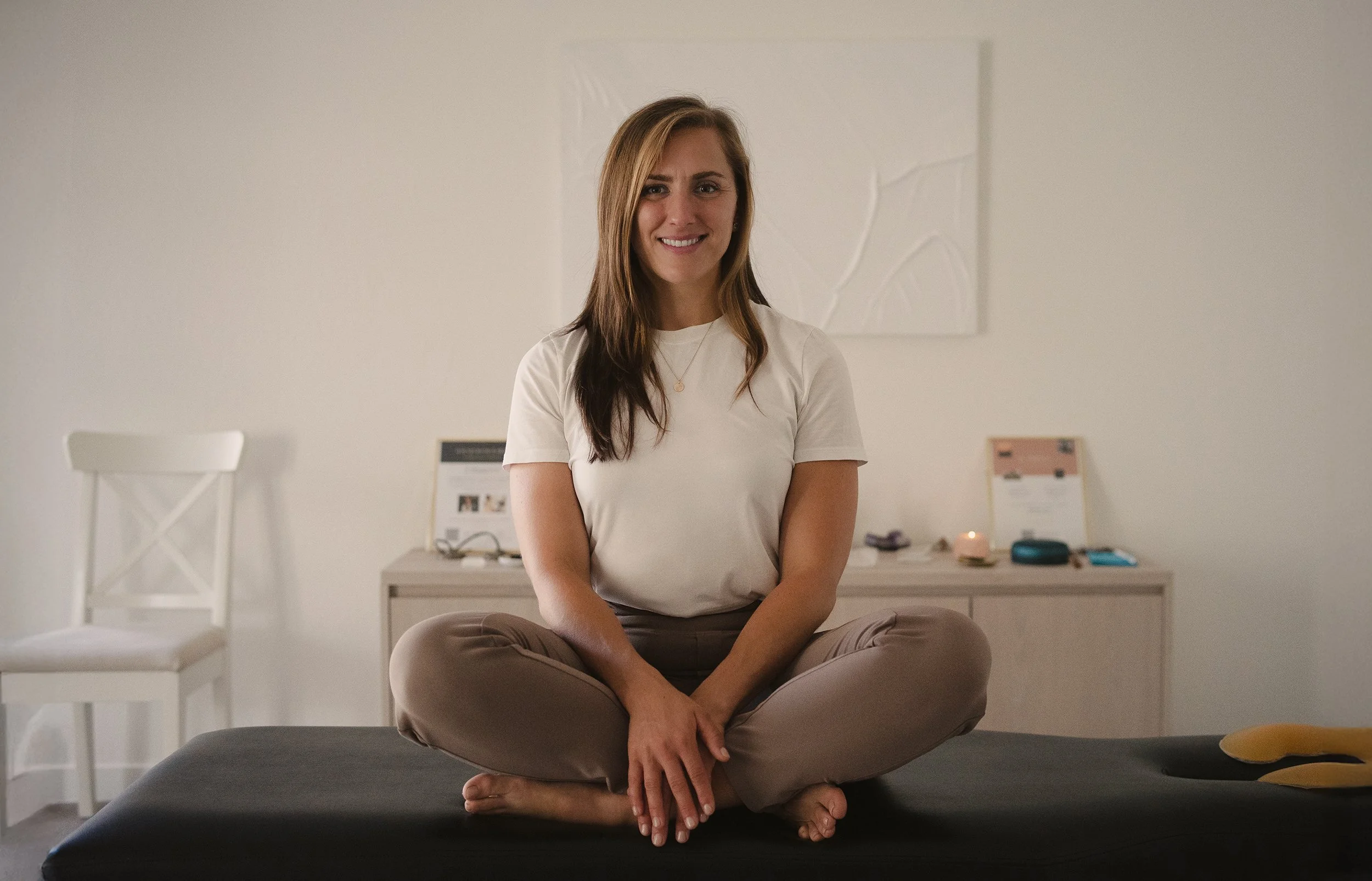
About Dr. Alandi Stec
Dr. Alandi Stec is a Doctor of Chiropractic and Reiki Master specializing in nervous system-centered healing approaches. She serves the Pleasant Hill and Bay Area athletic community through Life Force Chiropractic, combining Bio-Geometric Integration with craniosacral work and somatic practices to support athletes in discovering their body's innate capacity for optimal performance and resilience.