
7 Body Signals Your Nervous System Needs Support

Your body speaks before your mind catches up.
Long before you consciously recognize stress or overwhelm, your nervous system is sending signals. A tightness in your chest. Restless nights. That wired-but-tired feeling that won't quite let go.
These aren't character flaws or things you need to push through. They're your body asking for something it's not getting.
When your nervous system stays in a state of high alert without enough moments of rest and repair, it affects everything from how you sleep to how you digest food to how you relate to the people around you. Understanding these signals is the first step toward restoring balance.
What Is Nervous System Dysregulation?
Your nervous system is constantly scanning your environment and internal state to determine:
Am I safe? Do I need to mobilize? Can I rest?
When working well, your system moves fluidly between states of activation (sympathetic response) and restoration (parasympathetic response).
You can ramp up for a presentation, then settle back down afterward. You can handle a stressful day, then truly rest at night.
But when stress becomes chronic or when past experiences have taught your body that the world isn't safe, your nervous system can get stuck in patterns of hypervigilance, shutdown, or oscillating between the two.
This is dysregulation. Not broken, just out of rhythm.



7 Signs Your Nervous System Is Asking for Support
1. You're Tired But Can't Fully Rest
You're exhausted at the end of the day, yet when you lie down, your mind won't stop. Your body feels heavy, but sleep doesn't come easily. When you do sleep, it's light and fragmented.
What's happening: Your nervous system is stuck in a state of activation. Even though your body needs rest, the sympathetic branch (your "go" system) hasn't gotten the signal that it's safe to stand down. This keeps cortisol elevated and prevents the deep parasympathetic rest your body needs to repair.
2. Your Shoulders, Jaw, or Neck Feel Constantly Tight
That knot between your shoulder blades won't release. Your jaw is clenched without you realizing it. Your neck feels compressed, like you're carrying the weight of the world.
What's happening: When your nervous system perceives threat (real or imagined), it braces. Muscles tighten to prepare for action. Over time, this chronic tension becomes your new baseline. Your body is literally holding itself together because it doesn't feel safe enough to let go.
3. You Feel Wired and Exhausted at the Same Time
You're running on empty but can't slow down. There's a constant buzz of activation under the surface, even when you're sitting still. Rest doesn't feel restful.
What's happening: This is a hallmark sign of nervous system depletion. Your sympathetic nervous system is working overtime while your parasympathetic system (the rest-and-digest branch) isn't getting enough activation. You're stuck in "on" mode, burning through resources your body desperately needs to restore.
4. Small Things Feel Overwhelming
A minor inconvenience sends you into a spiral. Someone's tone of voice feels like an attack. You snap at people you love. Everything feels like too much.
What's happening: When your nervous system is depleted, your window of tolerance narrows. Things that wouldn't normally be a big deal feel massive because your system has no buffer left. You're operating from a place of survival rather than regulation.
5. Your Digestion Is Unpredictable
Stomach issues, bloating, constipation, or urgent trips to the bathroom without clear dietary causes. Your gut feels unsettled in ways that don't match what you're eating.
What's happening: Your digestive system is directly linked to your vagus nerve, the primary pathway of your parasympathetic nervous system. When you're in fight-or-flight mode, digestion gets deprioritized. Blood flow moves away from your gut toward your muscles. Digestive enzymes decrease. The gut-brain connection becomes disrupted.
6. You Can't Remember the Last Time You Felt Truly At Ease
You don't recall what it feels like to be settled in your body. There's always an undercurrent of tension, vigilance, or unease. Even "good" moments feel tinged with anxiety about when the other shoe will drop.
What's happening: This is chronic nervous system activation. When you've been in survival mode for so long, regulation feels unfamiliar, even uncomfortable. Your body has adapted to stress as your baseline, and anything else feels foreign.
7. Your Sleep Schedule Is All Over the Place
You're wired at 2 AM, exhausted at 2 PM. Your body doesn't seem to know when it's time to be awake or asleep. Circadian rhythms feel nonexistent.
What's happening: Your nervous system regulates your sleep-wake cycle through complex hormonal signaling. When dysregulated, cortisol and melatonin patterns get disrupted. You might get a second wind late at night (cortisol spike) when your body should be winding down.
What Regulation Actually Feels Like
If these signs resonate, you might be wondering: what does a regulated nervous system even feel like?
Regulation isn't about being calm 100% of the time or never experiencing stress. It's about flexibility. The ability to activate when needed and return to rest afterward.
A regulated nervous system feels like:
Being able to take a full breath without thinking about it
Falling asleep within a reasonable time and staying asleep
Feeling your emotions without being overwhelmed by them
Having energy that matches the demands of your day
Responding to stress without getting stuck in it
Moments of genuine ease in your body
It's not about never feeling stressed. It's about your body knowing how to come back home.



Evidence-Based Practices for Nervous System Support
The good news: nervous system regulation is learnable. Your body has an innate capacity to return to balance when given the right support.
Breath Work and Vagal Toning
The vagus nerve is the primary pathway for parasympathetic activation. Specific breathing patterns can directly stimulate this nerve, signaling safety to your body.
Try this: Exhale longer than you inhale. A 4-count inhale with a 6-count exhale shifts your system toward parasympathetic dominance.
Somatic Practices
Your body holds stress in physical patterns. Movement-based practices like gentle stretching, shaking, or progressive muscle relaxation help discharge stored tension.
Your nervous system doesn't just live in your brain. It's distributed throughout your entire body, which means body-based practices are often more effective than cognitive strategies alone.
Yoga Nidra and Deep Rest
Yoga Nidra is a guided meditation practice done lying down that systematically guides your body into deep rest while keeping your awareness present. Research shows it can reduce cortisol, improve sleep quality, and help regulate the autonomic nervous system.
Unlike active meditation practices, Yoga Nidra works by inviting your body into the healing states it needs but may not be able to access on its own.
Consistent Rhythms and Routines
Your nervous system craves predictability. Consistent sleep times, regular meals, and daily rituals help establish the rhythm and safety your system needs to regulate.
This isn't about rigid perfection. It's about creating enough structure that your body can relax into a sense of what comes next.
Professional Support
Sometimes nervous system patterns are deeply ingrained from early life experiences or trauma. Working with practitioners trained in nervous system regulation—whether through somatic therapy, gentle bodywork, or trauma-informed care—can provide the support your system needs to reorganize.
Moving from Surviving to Thriving
Recognizing these signs isn't about adding another thing to fix on your to-do list.
It's about understanding what your body has been trying to tell you.
Your nervous system isn't broken. It's doing exactly what it was designed to do: protect you.
The tightness, the sleeplessness, the overwhelm—these are survival strategies that once served you.
But survival mode was never meant to be permanent.
With the right support and practices, your nervous system can learn to move fluidly between activation and rest again. You can reclaim the ease, presence, and vitality that feel so distant right now.
Your body remembers how to regulate. Sometimes it just needs guidance back home.



Ready to Deepen Your Practice?
If these signs resonate and you're ready for structured support in regulating your nervous system, we offer several pathways:
Attuning Into You is our 21-day guided program designed to help you build lasting nervous system regulation practices. Through daily teachings, somatic exercises, breathwork, and Yoga Nidra, you'll learn to recognize your patterns and create new pathways for ease.
12 Days of Nervous System Regulation offers a shorter introduction to regulation practices if you're looking to begin with a more accessible time commitment.
Yoga Nidra at Home provides guided deep rest practices you can return to whenever your system needs support in downregulating.
For those in the Pleasant Hill area, we also offer gentle chiropractic care that supports nervous system regulation through precise, calming adjustments that help your body unwind stored tension and realign naturally.
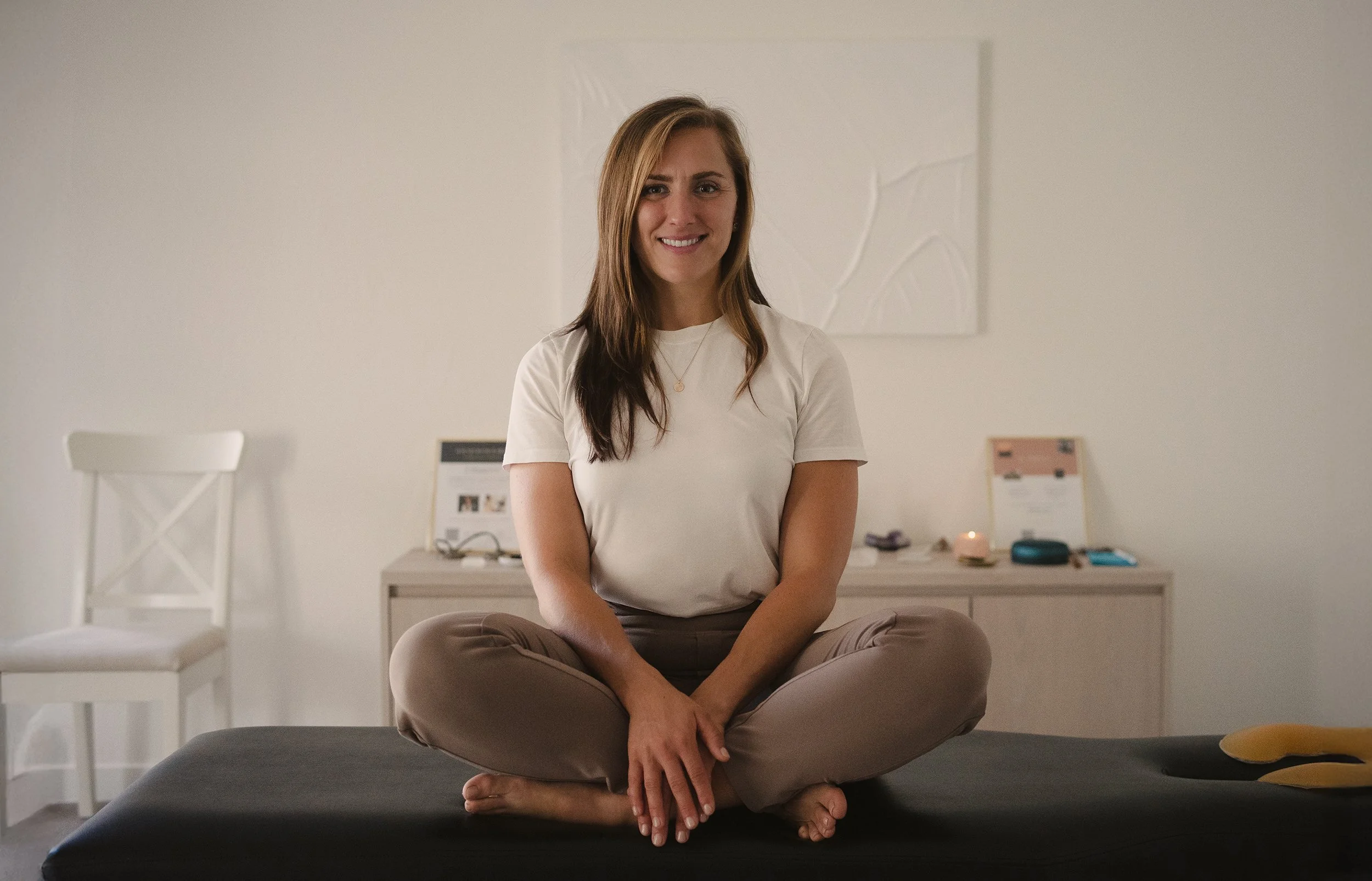
About Dr. Alandi Stec
Dr. Alandi Stec is a Doctor of Chiropractic and Reiki Master serving the Pleasant Hill and greater Bay Area community. She specializes in gentle, nervous system-centered approaches to health and wellness, combining Bio-Geometric Integration with craniosacral work and energy healing to help individuals and families discover their body's innate capacity for healing and growth.