
Chronic Headaches, Migraines, and Your Nervous System

Another headache. Again.
Maybe it starts at your temples. Or the base of your skull. Or behind your eyes. You've tried pain medication. More water. Better sleep. Less screen time. Eliminating triggers.
But they keep coming back.
Not every day, maybe. But enough that you've started planning your life around them. Canceling plans when one hits. Living in fear of the next one. Wondering what you're doing wrong.
Here's what most headache treatments miss: your headaches aren't just about your head. They're about your nervous system.
The Headache Pattern You Can't Break
You know your pattern by now.
The warning signs. The specific location where it starts. How it builds. What makes it worse. You've probably identified some triggers. Stress. Certain foods. Lack of sleep. Too much screen time. Weather changes.
You do your best to avoid the triggers. You take medication at the first sign. You rest in dark rooms. You use ice or heat. You've tried massage, acupuncture, chiropractic adjustments, physical therapy.
Some things help in the moment. But the headaches keep returning. The pattern continues. You start to feel like this is just how your body works now. Like you're destined to manage headaches for the rest of your life.
But here's what's actually happening: your headaches are a symptom of nervous system dysregulation. And until you address the dysregulation, treating the pain alone won't create lasting change.
This doesn't mean your headaches are "all in your head" or that the pain isn't real. The pain is absolutely real. The inflammation is real. The vascular changes are real. The muscle tension is real.
But all of these are downstream effects of an upstream problem. Your nervous system is stuck in a pattern of chronic activation, and your headaches are how that activation manifests in your body.
Why Conventional Treatment Often Falls Short
Most headache treatment focuses on managing symptoms or avoiding triggers.
Pain medication reduces inflammation and blocks pain signals. Preventive medications try to reduce frequency. Trigger elimination removes specific activators. Rest and hydration support your body's basic needs.
These approaches aren't wrong. They can provide important relief. But they're working at the level of symptom management rather than pattern interruption.
Here's the problem: if your nervous system is chronically activated, if your body is stuck in a defensive state, it will keep creating headaches regardless of how well you manage triggers. The trigger isn't causing the headache. It's revealing an underlying pattern that's already present.
Think about it this way. Two people encounter the same trigger. One gets a headache. One doesn't. The difference isn't the trigger. It's the state of their nervous system when they encounter it.
When your nervous system is regulated, when you have capacity and resilience, triggers are just normal life events. Your body handles them without creating pain.
When your nervous system is dysregulated, when you're already in a state of chronic activation, those same triggers become the straw that breaks the camel's back. Your body doesn't have the capacity to process them without creating symptoms.
This is why eliminating triggers feels like an impossible game of whack-a-mole. Remove one, another appears. Because the problem isn't the triggers. It's the capacity of your nervous system to handle normal life stress without breaking down into pain.
Understanding Cervicogenic Headaches
Many chronic headaches originate in your neck and cervical spine.
These are called cervicogenic headaches, and they're intimately connected to nervous system function.
Your upper cervical spine, particularly the top three vertebrae, houses critical nerve pathways. The trigeminal nerve, which provides sensation to your face and head. The greater occipital nerve, which runs from the base of your skull up over your scalp. The vagus nerve, which regulates your parasympathetic nervous system.
When your cervical spine is misaligned, when muscles in your neck are chronically tight, when your upper back is restricted, these nerve pathways get compressed or irritated. This creates referred pain patterns that manifest as headaches.
But here's the key piece: that cervical tension and misalignment isn't random. It's a response to nervous system activation.
When your body is in a defensive state, your neck and shoulders are some of the first places to brace. Your head comes forward. Your shoulders rise. Your upper back rounds. Your neck muscles work overtime to hold your head up against gravity in this misaligned position.
Over time, this creates structural patterns. Restricted joints. Tight muscles. Compressed nerves. Your cervical spine literally reorganizes around the defensive posture your nervous system has adopted.
This is why adjusting the cervical spine can provide immediate relief but the headaches often return. The adjustment addresses the structural component, but if the underlying nervous system activation hasn't changed, your body rebuilds the same protective patterns.
Lasting change requires addressing both the structure and the nervous system state that created the structural pattern in the first place.

The Vagus Nerve Connection
Your vagus nerve is the main pathway of your parasympathetic nervous system. It runs from your brainstem, through your neck, down into your chest and abdomen, connecting your brain to your heart, lungs, digestive system, and more.
When your vagus nerve is functioning well, when vagal tone is strong, your body can downregulate stress. Move from activation to rest. Process challenges without getting stuck in defensive states.
When vagal tone is poor, when the vagus nerve is compressed or not functioning optimally, your body loses its primary mechanism for calming down. You get stuck in sympathetic activation. Your system can't shift back to safety even when the stressor is gone.
And here's the critical connection to headaches: your vagus nerve passes through your upper cervical spine. Right where cervicogenic headaches originate.
When your neck is misaligned, when those top vertebrae are restricted, your vagus nerve can become compressed or irritated. This doesn't just affect your neck. It affects your entire nervous system's ability to regulate.
Poor vagal tone means your body stays in a state of chronic stress. Elevated cortisol. Increased inflammation. Heightened pain sensitivity. Vascular changes that create migraine patterns. All of this makes you more susceptible to headaches.
Supporting vagal tone, releasing cervical restrictions, and helping your nervous system return to a regulated state creates the foundation for headaches to finally resolve.
How Stress Creates Chronic Head Pain
Stress doesn't just trigger occasional headaches. Chronic stress creates the conditions for chronic pain.
When you're stressed, your body releases cortisol and adrenaline. These hormones are designed for short-term crisis management. They increase inflammation, heighten pain sensitivity, and create muscle tension to prepare you for action.
In acute stress, this is appropriate. The inflammation and tension serve a purpose. When the stressor passes, these levels return to normal.
But in chronic stress, when your nervous system never fully downregulates, these stress hormones stay elevated. Your baseline shifts. What was supposed to be a temporary crisis response becomes your new normal.
Chronic inflammation creates an environment where headaches develop more easily. Your blood vessels are already reactive. Your nerves are already sensitized. Your pain threshold is already lowered.
Chronic muscle tension, particularly in your neck, shoulders, and jaw, creates constant strain on your cervical spine and compresses the nerve pathways we discussed earlier.
This is why people say "stress gives me headaches." But it's not that stress directly creates pain. It's that chronic stress creates nervous system dysregulation, which creates the physiological conditions where headaches can develop.
You can't eliminate stress from your life. But you can change how your nervous system processes stress. You can build capacity so that normal life challenges don't trigger the inflammatory cascade that leads to head pain.
The Migraine Nervous System Pattern
Migraines are particularly linked to nervous system dysregulation.
Research shows that people with migraines have heightened nervous system reactivity. Their systems are more sensitive to stimuli. They process sensory information differently. They have lower thresholds for activation.
This isn't a character flaw. It's a nervous system pattern.
Think of your nervous system as having a window of tolerance. When you're inside this window, you can handle stress, process sensory input, and stay present without becoming overwhelmed. When you get pushed outside this window, symptoms develop.
People prone to migraines often have narrower windows of tolerance. Their nervous systems move into sympathetic activation or dorsal vagal shutdown more easily. Once activated, they have a harder time returning to baseline.
A migraine isn't just a bad headache. It's a full nervous system event. The aura some people experience, the light and sound sensitivity, the nausea, the need to shut down completely, these are all signs of a nervous system that's been pushed past its capacity and has gone into protective shutdown.
This is why identifying triggers can be so challenging with migraines. The trigger isn't causing the migraine. It's activating a nervous system that's already primed for dysregulation. On a different day, with more capacity, the same trigger wouldn't create a migraine.
Building nervous system capacity, widening your window of tolerance, and supporting regulation creates the foundation for migraines to decrease in frequency and intensity.

Specific Solutions: Supporting Your Nervous System
Lasting headache relief requires more than pain management. It requires nervous system support.
Vagal toning practices.
Your vagus nerve needs regular activation to maintain strong tone. Humming, singing, and gargling all create vibration in your throat that stimulates the vagus nerve. Cold water on your face activates the dive reflex, which engages parasympathetic function. Deep, diaphragmatic breathing signals safety to your system.
Try this:
1. Place one hand on your chest and one on your belly.
2. Breathe in through your nose for a count of 4, feeling your belly expand while your chest stays relatively still.
3. Hold for 4. Exhale through your mouth for a count of 6, making an audible "haaaa" sound.
The longer exhale and the vocalization both support vagal tone.
⏲ Repeat for 2-3 minutes when you notice tension building.
Upper cervical support.
Your neck alignment directly affects both structural strain and vagal nerve function. Gentle exercises that restore cervical curve and release upper back tension can prevent the structural patterns that contribute to headaches.
Try this:
1. Lie on your back with a small rolled towel under your neck (not your head).
2. Your head should tilt slightly back, creating a gentle stretch through the front of your neck.
3. Stay here for 3-5 minutes, breathing slowly.
This passively restores the natural cervical curve that forward head posture diminishes.
Jaw and facial release.
Tension in your jaw and face creates pulling forces on your skull and upper neck. Your temporomandibular joint (TMJ) is directly connected to headache patterns, particularly temple headaches.
Try this:
1. Place your fingertips on your temples. Make 10 slow circles, applying gentle pressure.
2. Move to your jaw joints (right in front of your ears). Open your mouth slightly and make 10 more circles.
3. Then place your palms over your eyes, creating gentle darkness and warmth.
⏲ Rest here for 30-60 seconds, letting your facial muscles soften.
Shoulder and upper back mobility.
Restrictions in your thoracic spine and shoulder girdle create compensatory patterns in your neck. Releasing these areas reduces the strain on your cervical spine.
Try this:
1. Stand in a doorway with your arms at 90 degrees, forearms on the door frame.
2. Step one foot through the doorway, creating a gentle stretch across your chest and front of your shoulders.
3. Hold for 30 seconds. Then raise your arms overhead in the same doorway position and repeat.
This opens the front body and allows your upper back to decompress.
Grounding and orientation.
When your nervous system is activated, you lose connection to your body and environment. Grounding practices bring you back to present moment awareness and signal safety.
Try this:
1. Stand barefoot (if possible). Feel the ground beneath each part of your foot.
2. Slowly look around the room, naming 5 things you can see, 4 things you can touch, 3 things you can hear.
3. Let your gaze soften. Notice your breath.
This simple practice activates your ventral vagal system and downregulates activation.
What Relief Actually Feels Like
When your nervous system begins to regulate, headaches change.
They might not disappear immediately. But you notice they're less frequent. Less intense. They don't last as long.
You start to have more days without pain. Triggers that used to guarantee a headache become manageable. You have more capacity to handle stress without your body breaking down into symptoms.
When a headache does come, you have tools to work with it. You're not at its mercy. You can support your nervous system, release tension, and often prevent it from becoming severe.
Your neck feels different. Looser. Your shoulders sit lower. Your jaw unclenches more easily. You're not constantly bracing against the next headache.
This isn't about achieving some perfect pain-free state. It's about your body having the capacity and resilience to handle normal life without creating chronic pain patterns.
You don't have to live with recurring headaches. You don't have to plan your life around pain. Your body wants to be pain-free. It just needs the nervous system support to get there.

When to Seek Professional Support
Sometimes self-care practices aren't enough.
If your headaches are severe, if they're interfering with your ability to work or be present in your life, if you've been managing them for years without resolution, professional support can make a significant difference.
Gentle chiropractic care that addresses both cervical alignment and nervous system function can help your body release the structural patterns that contribute to chronic headaches. Bio-Geometric Integration specifically works with your nervous system to help it reorganize, creating space for lasting change rather than temporary relief.
When restrictions in your upper cervical spine release, when your vagus nerve has space to function optimally, when your body can maintain proper alignment without chronic muscle bracing, headaches often resolve because the underlying conditions that created them have changed.
This isn't about cracking your neck repeatedly for temporary relief. It's about precise, gentle contacts that help your nervous system and structure reorganize around a healthier baseline.
If you're in the Pleasant Hill, California area, Life Force Chiropractic offers nervous system-centered care for chronic headaches. We work with your body's innate intelligence, supporting the changes that allow headaches to finally resolve.
For those seeking to build nervous system capacity from home, comprehensive regulation practices can help. Understanding your window of tolerance, learning to recognize when you're moving into activation, and having daily tools to support regulation creates the foundation headaches need to improve.
Your Headaches Are Information
Your body isn't broken. Your headaches aren't random. They're information.
They're your nervous system showing you it needs support. They're your body saying it doesn't have the capacity to handle the demands being placed on it without creating symptoms.
This isn't your fault. You didn't do something wrong. Chronic nervous system activation builds over time, often from experiences and patterns that were beyond your control.
But you do have the power to change it. To build capacity. To support regulation. To create the conditions where your body doesn't need to generate pain anymore.
Your headaches are asking for something specific. Nervous system support. Structural release. Capacity building. Regulation practices.
Listen to that request. Your body knows what it needs. Give it the support to heal.


Ready to Address the Root Cause?
Headaches aren't just about managing pain. They're about supporting your nervous system.
12 Days of Nervous System Regulation provides daily guided practices to help your system build capacity and resilience. Learn vagal toning, grounding techniques, and somatic tools that address the nervous system patterns underlying chronic pain. $50 for lifetime access.
For those in the Pleasant Hill area,gentle chiropractic care addresses both cervical alignment and nervous system function. Bio-Geometric Integration combined with craniosacral therapy supports your body in releasing the patterns that create chronic headaches.
Frequently Asked Questions
Are my headaches caused by stress or something physical?
Both. Stress creates nervous system dysregulation, which creates physical changes (inflammation, muscle tension, vascular changes, nerve compression). The physical symptoms are real, but they're downstream effects of nervous system activation. Addressing both the physical structure and the nervous system state creates lasting relief.
Can neck problems really cause headaches?
Yes. Your upper cervical spine houses critical nerve pathways including the trigeminal nerve, greater occipital nerve, and vagus nerve. When your neck is misaligned or muscles are chronically tight, these nerves become compressed or irritated, creating referred pain patterns that manifest as headaches. These are called cervicogenic headaches.
How long does it take to see improvement with nervous system work?
Most people notice shifts within 2-4 weeks of consistent practice. Headaches may become less frequent first, then less intense, then shorter in duration. Some people experience immediate relief after their first chiropractic session, while others notice gradual improvement over several weeks as their nervous system learns new patterns.
Will I always have to do these practices?
Initially, yes. Your nervous system needs consistent input to learn new regulation patterns. Over time, as your baseline shifts and you build capacity, you'll need less intensive daily practice. But maintaining some form of nervous system support (even simple practices like breathwork) helps prevent old patterns from returning.
Can chiropractic help with migraines?
Yes, particularly when the approach addresses nervous system dysregulation alongside structural alignment. Migraines are full nervous system events. Gentle adjustments that support vagal tone, release cervical restrictions, and help your system regulate can significantly reduce migraine frequency and intensity.
What if I've had headaches for years?
Chronic patterns take longer to shift, but they can shift. Your nervous system is always capable of learning new patterns. Start with gentle, consistent practices. Work with a skilled practitioner if you need more support. Be patient with your body as it releases patterns it's been holding for a long time.
Should I stop taking pain medication?
Never stop medication without consulting your doctor. These practices support your nervous system and can reduce your need for medication over time, but changes to medication should always be done under medical supervision.
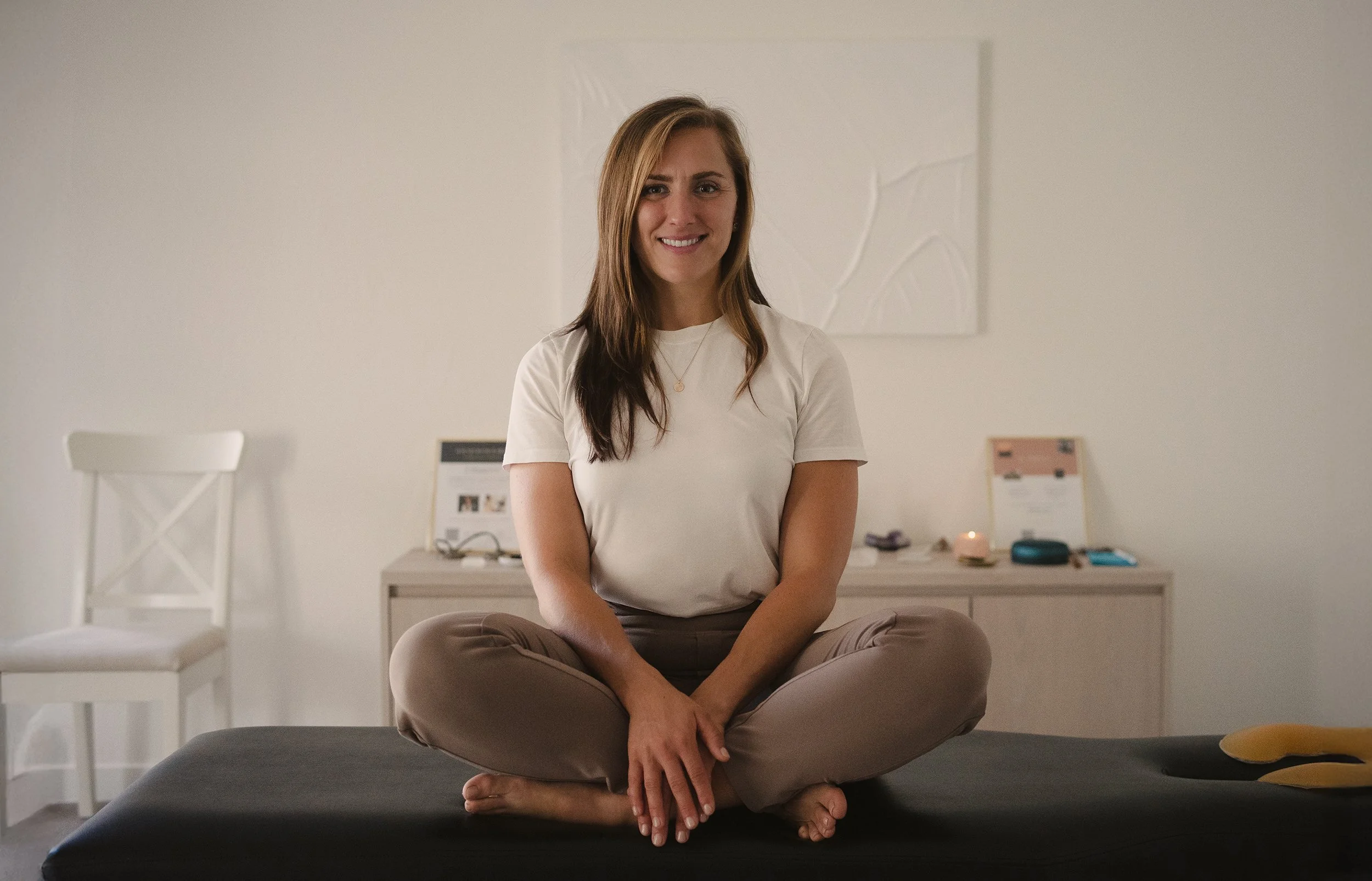
About Dr. Alandi Stec
Dr. Alandi Stec is a Doctor of Chiropractic and Reiki Master specializing in nervous system-centered healing approaches. She serves the Pleasant Hill and Bay Area community through Life Force Chiropractic, combining Bio-Geometric Integration with craniosacral work and somatic practices to support individuals in discovering their body's innate capacity for regulation and healing.