
Somatic Therapy vs. Chiropractic Care: Which Approach Fits You
You've been paying attention to your body for a while now.
Maybe you've read the books. Listened to the podcasts. You know the vagus nerve isn't just a yoga buzzword. You understand that what you're carrying in your shoulders, your jaw, your hips isn't just bad posture. It's a pattern, and the pattern is old.
So when you search for help, you're not looking for a quick fix. You're weighing options that actually speak the language of the nervous system. Somatic therapy keeps coming up. So does body-based chiropractic care. Both seem like they understand what you're carrying. Both promise to work with your body, not against it.
But they're not the same thing. And if you've been trying to figure out which door to walk through, this is for you.
What You've Probably Already Tried
You've stretched. Maybe done yoga for years. Tried meditation apps and breathwork and cold plunges. You've seen a therapist, possibly more than one, and talked through what's there.
Some of it has helped. Some of it has touched something. But there's still something your body is holding that words haven't fully reached. Something that comes back when you're tired, or stressed, or standing in your kitchen at 10pm with your shoulders somewhere near your ears.
That's usually the moment people start researching somatic therapy. Or body-based chiropractic. Or both.
You're not looking to numb the feeling or fix yourself. You're looking for care that actually understands what it means to live in a nervous system that's been holding on for a long time.
What Somatic Therapy Actually Is
Somatic therapy is an umbrella term for body-based approaches that work with the nervous system through awareness, movement, and felt sense. It lives at the intersection of psychotherapy and embodiment.
The most recognized lineages include Somatic Experiencing (developed by Peter Levine), Hakomi, Sensorimotor Psychotherapy, and clinical somatic education. Each has its own technique, but they share a common premise: the body holds the story of what we've lived through, and healing happens through the body's own capacity to release, complete, and reorganize what it's been carrying.
In a somatic therapy session, you're usually sitting or lying down, tracking sensation. The practitioner guides your attention to what's happening in your body right now. A tightness in your chest. A pulsing in your hands. A wave of heat through your legs. You follow those sensations. You notice what wants to move. Sometimes emotion surfaces. Sometimes an old memory does. Sometimes nothing comes up in words at all, just a subtle shift that leaves your whole system feeling different by the end.
Touch may or may not be part of the work, depending on the practitioner and the modality. Some somatic therapists work entirely through dialogue and tracking. Others use gentle hands-on support. The common thread is that your felt sense leads the session.
What Nervous System-Centered Chiropractic Is
This isn't the chiropractic most people picture. No forceful cracking. No quick pops. No ten-minute appointments.
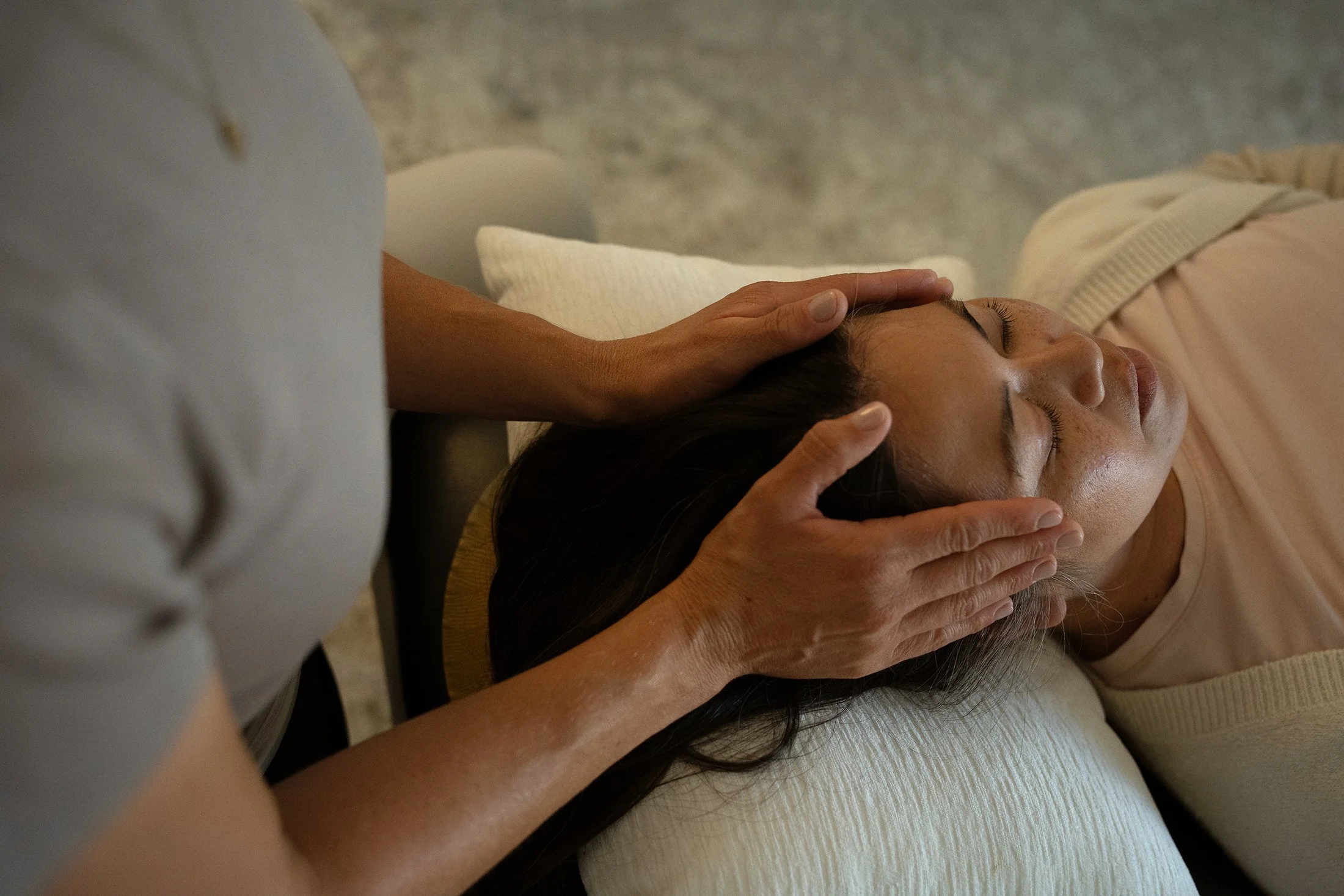
Nervous system-centered chiropractic, the kind practiced at Life Force Chiropractic in Pleasant Hill, works with the body as one continuous web. The spine is part of that web, but it's not the whole story. Your cranial bones, your fascia, your diaphragm, your pelvis, your nervous system tone, and the places your body has been bracing for years are all part of what's being addressed.
Sessions are 30 or 60 minutes, longer than most chiropractic visits, because the body needs time to settle before anything can reorganize. The work is gentle. Often so gentle that someone expecting traditional chiropractic is surprised by how little force is used.
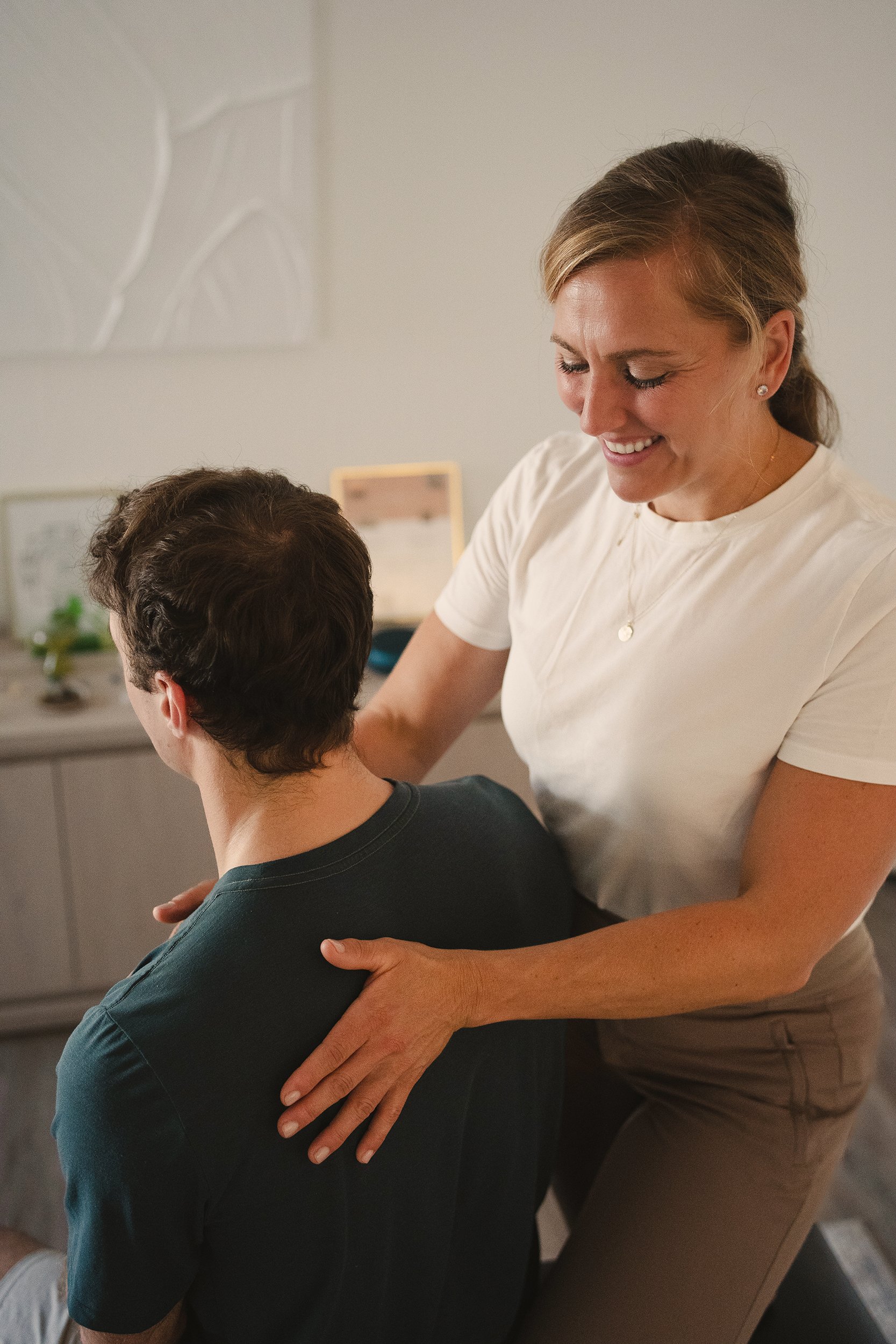
Dr. Alandi is trained in Bio-Geometric Integration, craniosacral therapy, and Reiki, and her background includes both artistic and athletic training. What that means in practice: she listens with her hands. She tracks where your body is holding, where it's ready to release, where it's still asking for more safety before it can let go.
The nervous system receives this as safety. Not an override. Not a correction. An invitation.
The Core Difference: Entry Point
Here's the clearest way to understand how these two approaches differ.
Somatic therapy enters through felt sense and awareness.
You're actively tracking sensation, following what arises, letting the nervous system complete patterns that were interrupted. The practitioner holds space, but you're doing a significant amount of the inner work. Your awareness is the tool.
Nervous system-centered chiropractic enters through structure and tissue.
The practitioner is working with your body's physical organization, the places where your fascia, spine, cranial system, and nervous system have locked into a holding pattern. You're not tracking sensation the whole time, though many people naturally drop into it. Your body's response to skilled touch is the tool.
Both are speaking to the same nervous system. They're just coming in through different doors.
Somatic therapy often requires a certain amount of capacity to be present with sensation. If you've done trauma work before, if you know how to track what's happening inside, if you can sit with discomfort without dissociating, you'll likely thrive in somatic work.
Chiropractic care, the gentle kind, works regardless of whether you can feel much yet. Some people come in so disconnected from their body that they can't locate their own tension. The work still lands. The nervous system still reorganizes. This is part of why body-based chiropractic can be a useful entry point for people who are newer to embodiment.
Where Somatic Therapy Shines
Somatic therapy is often the right fit when:
• You're working with trauma, grief, or complex emotional material that wants space to move through the body
• You have a strong capacity for interoception (you can feel what's happening inside) and want to deepen it
• You're in talk therapy and feeling the limit of what words alone can reach
• You want to develop lifelong skills for tracking and working with your own nervous system
• Your pain or tension has clear emotional undertones and you want to address both at once
The gift of somatic therapy is that it teaches you to be with yourself differently. Over time, you become your own practitioner. You learn to notice when your shoulders start climbing. You learn what your body needs when stress begins stacking. That capacity stays with you long after the sessions end.
Where Nervous System-Centered Chiropractic Shines
Body-based chiropractic is often the right fit when:
You have physical symptoms (back pain, neck tension, headaches, jaw tightness, hip restriction) that haven't responded to stretching, massage, or movement work alone
Your nervous system is clearly dysregulated but you're not ready to do deep emotional work, or that's not what you're here for
You've already done somatic or talk therapy and want a complementary structural support
You want change without having to cognitively work for it every session
You're new to body-based care and want a gentler on-ramp than somatic tracking requires
What clients often notice after a few sessions in the Pleasant Hill practice: breath that finally fills the ribs instead of sitting high in the chest. Jaw that softens without conscious effort. A quality of rest that feels different than anything sleep has produced. Sometimes, unexpectedly, old emotion that moves through.
The nervous system doesn't separate structure from story. When the body's holding pattern shifts, everything downstream of it shifts too.
When the Two Approaches Complement Each Other
Many of the people who come to Dr. Alandi's practice in Pleasant Hill, Walnut Creek, or the greater East Bay are also working with a somatic therapist. This isn't a conflict. It's a layered approach.
Here's why it works:
A somatic therapist helps you build the inner capacity to track, stay present, and allow what's been held to move. That process is deep and important, and it takes real energy from your system.
Chiropractic care supports the structural foundation underneath that process. When your spine, cranial system, and fascia aren't working against you, your nervous system has more capacity for the awareness work. The holding pattern in your body isn't constantly recruiting resources that could otherwise go toward integration.
People often report that their somatic therapy sessions feel more effective when they're also receiving gentle chiropractic care, and vice versa. The two approaches aren't redundant. They're addressing different layers of the same whole.
What About Somatic Experiencing Specifically?
If you've been researching Somatic Experiencing (SE), you may be wondering how that specifically differs from body-based chiropractic.
Somatic Experiencing is a trauma-focused modality developed by Peter Levine, rooted in observations of how animals in the wild metabolize stress. SE sessions help your nervous system complete the protective responses (fight, flight, freeze) that got stuck when a difficult event happened faster than your system could process. The work is slow, careful, and oriented toward titrated release.
Nervous system-centered chiropractic doesn't replace SE for processing trauma. What it can do is create more nervous system capacity for SE work to land. When your body has lived in a bracing pattern for years, sometimes decades, the structural foundation itself is part of what's holding the old response in place. Releasing that structural holding often makes trauma processing more accessible, not because it addresses the trauma directly, but because it reduces the physical charge the nervous system is constantly managing.
Many SE practitioners refer clients to gentle chiropractic specifically for this reason.
What This Looks Like in Practice
Let's get specific. Here's how two people might navigate this choice.
Person A is a 42-year-old in Lafayette who's been in therapy for three years working through childhood material. She has good interoceptive awareness and has started noticing that her body holds grief in her chest. She wants to go deeper with the body-based dimension of her work. Somatic therapy is likely the right primary choice. She might add chiropractic support later if structural symptoms emerge.
Person B is a 38-year-old in Walnut Creek with chronic lower back tension and poor sleep. She's tried yoga, acupuncture, and massage. Each helps temporarily. She knows intellectually that her nervous system is probably dysregulated but doesn't know where to start. Nervous system-centered chiropractic is likely the right primary choice. Once her structural foundation settles and she has more capacity, she may want to add somatic therapy for deeper emotional work.
Person C has been in both somatic therapy and talk therapy and feels the work plateauing. Her therapist has suggested she needs more structural support. Adding body-based chiropractic often unlocks the next layer of integration.
Most people aren't actually choosing between these approaches. They're choosing what to start with, and in what order.
The Question Isn't Which Is Better
It's which door your nervous system is ready to walk through first.
If you can track sensation, tolerate emotional material, and want to develop your own inner practice over time, somatic therapy is a beautiful entry point.
If you're carrying physical patterns that need structural attention, if your body feels locked rather than disconnected, or if you want change that doesn't require you to actively work in every session, body-based chiropractic is likely what your system is asking for.
Most people need both at some point. Just rarely at the same time, and rarely in the same week.

What Becomes Possible
Your body is not a problem to be solved. It's a system that's been carrying a lot, often skillfully, often for a long time. The right support helps it remember what it knows how to do when the conditions are right.
Whether that support arrives through a somatic therapist's careful tracking, or through Dr. Alandi's hands listening to what your tissues are ready to release, or through both in different seasons, matters less than that you're listening at all.
If you're local to the East Bay, Pleasant Hill, Walnut Creek, Lafayette, Concord, or surrounding areas, you're welcome to book a session and experience what nervous system-centered chiropractic feels like. The work is gentle. The attention is unhurried. Your body will set the pace.
If you're not local, or you want to begin with self-guided practices that speak a somatic language, Attuning Into You is a 21-day seasonal course designed to help your nervous system settle into a deeper relationship with your own felt sense. Many people find this combination, daily embodied practice plus periodic hands-on support, creates the most sustainable shift.
Whichever door you choose first, your nervous system has been waiting for this kind of attention. It knows what to do when it's finally met.
Frequently Asked Questions
Q: What is somatic therapy, and how does it differ from chiropractic?
A: Somatic therapy is a body-based psychotherapy approach where you track sensation, movement, and felt sense to work with patterns held in the nervous system. Chiropractic care works directly with the body's physical structure, the spine, cranial system, and surrounding tissues, to release holding patterns through skilled touch. Somatic therapy requires your awareness as the primary tool. Gentle chiropractic works through the body's response to structural attention, which means it can support you even when you're newer to tracking sensation.
Q: Is somatic therapy or chiropractic better for chronic pain?
A: It depends on what's driving the pain. If your pain has a clear structural component like restricted movement, held tension, or spinal patterns, nervous system-centered chiropractic is often the better starting point. If your pain is deeply intertwined with emotional material and you have the capacity to track sensation, somatic therapy may serve you well. For many people with long-standing chronic pain, both are needed, starting with whichever feels more accessible right now.
Q: Does somatic therapy help with pain release?
A: Yes, for many people. Somatic therapy helps the nervous system complete stress responses that got stuck in the body, which can reduce chronic pain rooted in held tension or unresolved trauma. The process tends to be slower than structural work and requires your active participation in tracking sensation. Results are often deep and lasting when the approach is a good fit.
Q: Can somatic therapy replace chiropractic care?
A: Not usually. They work on different layers. Somatic therapy addresses the awareness and emotional dimensions of held patterns. Chiropractic addresses the structural dimension. When there's actual physical restriction in the spine, cranial system, or fascia, somatic work alone sometimes can't reach that layer, and chiropractic care becomes a useful complement.
Q: What's the difference between Somatic Experiencing and nervous system-centered chiropractic?
A: Somatic Experiencing is a trauma-focused psychotherapy modality that helps your nervous system complete stuck protective responses through careful tracking and titration. Nervous system-centered chiropractic is a structural modality that works with your body's physical organization to release long-held bracing patterns. SE addresses the trauma response directly. Gentle chiropractic creates more nervous system capacity for that work to land.
Q: How do I know which approach my body needs right now?
A: A useful question is whether you can feel what's happening in your body, or whether your body feels far away. If you can track sensation and are drawn toward emotional work, somatic therapy is likely a fit. If your body feels locked, braced, or structurally stuck, and you want change that doesn't require constant inner work, nervous system-centered chiropractic is often the easier entry point.
About Dr. Alandi Stec
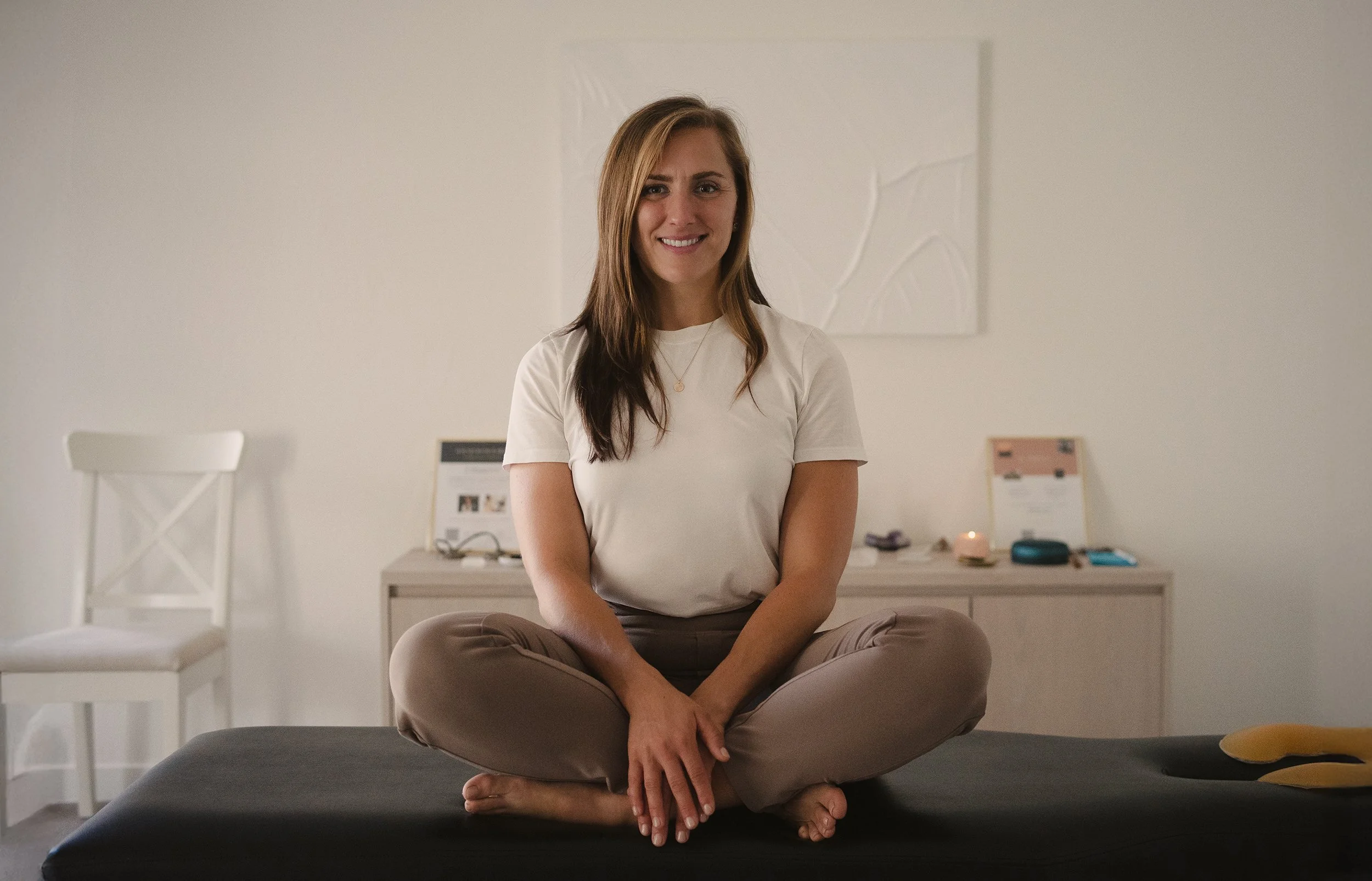
Dr. Alandi Stec is a Doctor of Chiropractic and Reiki Master specializing in nervous system-centered healing approaches. She serves the Pleasant Hill and Bay Area athletic community through Life Force Chiropractic, combining Bio-Geometric Integration with craniosacral work and somatic practices to support athletes in discovering their body's innate capacity for optimal performance and resilience.